
You’re probably wondering why a French press seems so simple yet makes such a rich cup. Here’s the thing: you add coarse coffee grounds to hot water—about 200 °F—let it steep for four minutes, then press a sturdy mesh filter down, separating the liquid from the grounds while letting oils and fine particles stay in the brew. The immersion extracts more flavor than drip, giving you body and chocolate notes; a 1:16 coffee‑to‑water ratio keeps it balanced. If you follow these steps, you’ll get a smooth, full‑bodied cup, and the next tip will show you how to fine‑tune the grind for even better results.
French Press vs. Drip: How Immersion Changes the Brew?
Why does immersion make a French press taste different from drip? You’re probably wondering why the same beans can feel so distinct. Here’s the thing: immersion dynamics keep every ground bathed in water for the full steep, creating a saturated extraction profile that pulls more oils and fine particles into your cup.
Now, compare that to gravity‑driven drip, where water rushes through a medium‑fine bed, filtering out much of the body. The French press’s coarse grind and 4‑minute steep let the brew stay rich and full‑bodied, while drip’s paper filter yields a cleaner, brighter cup.
All right, the takeaway: immersion shapes flavor by letting water and coffee stay together longer, so you get a heavier mouthfeel. Next, ask yourself whether you prefer that robust texture or the crisp clarity of drip. Using the optimal coffee‑to‑water ratio ensures a balanced extraction. The full‑immersion method also tends to retain more caffeine due to the extended contact time. A proper coarse grind prevents over‑extraction and reduces sediment.

One 10 oz bag of Gevalia Guatemalan Single Origin Special Reserve Coarse Ground Coffee

CRAFTED FOR FRENCH PRESS BREWING: Coarsely ground specifically for the slower immersion brewing process of French press coffee makers; larger grind size ensures balanced flavor extraction without bitterness, yielding a rich, full-bodied cup
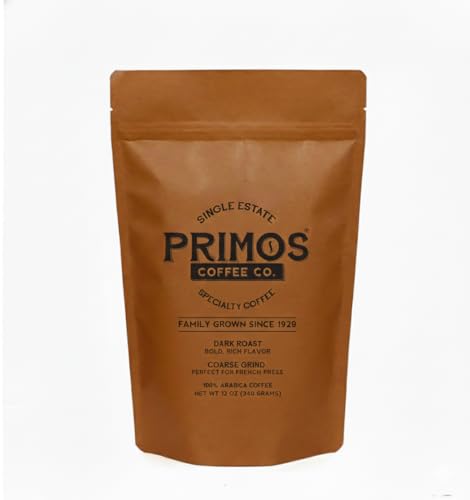
CRAFTED FOR FRENCH PRESS BREWING: Coarsely ground specifically for the slower immersion brewing process of French press coffee makers; larger grind size ensures balanced flavor extraction without bitterness, yielding a rich, full-bodied cup
Carafe & Mesh Filter: How They Work Together?
You’re probably wondering why the carafe and mesh filter matter after you’ve seen how immersion changes flavor. The carafe material—glass or stainless steel—holds the hot water and grounds, keeping them in full contact. Stainless steel retains heat longer, so the brew stays steady, while glass lets you watch the extraction.
Here’s the thing: the mesh filter acts as a barrier when you plunge. It slides down, sealing against the carafe wall, and pushes the grounds aside, leaving clear coffee above. A snug fit—about a quarter‑inch larger than the inner diameter—prevents bypass and keeps sediment out.
All right, filter durability matters too. A sturdy stainless‑steel mesh lets oils through for body, but a torn or warped screen leaks grounds into the cup. Replace worn filters promptly to preserve clarity and consistency.
Takeaway: matching a well‑fitted, durable filter to the right carafe material guarantees a clean, rich cup. Next, you might explore how the 1:16 coffee‑to‑water ratio shapes that balance. Using a consistent grind size ensures optimal extraction and flavor balance. The coarse grind helps prevent over‑extraction during the steeping phase. Proper water temperature is essential for extracting the coffee flavors without bitterness.
Why 1:16 Ratio Gives a Balanced French‑Press Cup?
If you’re puzzled why a 1:16 coffee‑to‑water ratio feels just right in a French press, you’ve hit the sweet spot of flavor balance. This ratio balance sits smack in the middle of the 1:15–1:18 range, so you avoid the weak, under‑extracted cup of 1:17‑1:18 and the harsh, over‑extracted punch of 1:15.
Here’s the thing: 1 gram of coffee for every 16 grams of water gives enough body to highlight chocolate and caramel notes while keeping bitterness in check. The moderate concentration also smooths out acidity, so the three taste pillars feel even.
All right, scaling is easy—250 g water uses about 15.6 g coffee, 500 g needs 31.25 g, and a 12‑oz cup calls for roughly 21 g. By weighing both ingredients you lock in brew consistency, no matter the bean or roast.
Takeaway: 1:16 delivers a balanced, consistent cup that’s neither too thin nor too heavy. Next, try adjusting grind size to see how it further refines your French‑press experience. Using a coarse uniform grind ensures optimal extraction and prevents over‑extraction. A typical French press steep time is about four minutes at 195‑205 °F for ideal flavor. For larger presses, you can apply the same ratio by using 1 to 2 tablespoons of coffee per 8 oz of water.
Coarse Grind: Why It’s Essential for Smooth French‑Press Plunging?
Coarse grounds keep the plunger moving smoothly and the coffee clear; next, explore how grind uniformity affects extraction. You’re probably wondering why a chunky grind matters, and the answer is simple: it reduces resistance and limits sediment. When particles stay roughly sea‑salt size, they settle fast, so you push the plunger with little effort and avoid dragging fines into the cup.
Now, here’s the thing about grind consistency. Uniform coarse grounds give you reliable sediment control; the mesh filter can separate them cleanly, leaving a smooth body. If you mix dust with large chunks, you’ll feel a gritty texture and see a cloudy brew.
All right, the takeaway: aim for an even, coarse grind to keep plunging easy and the cup clear. Next, check your water temperature to fine‑tune extraction. Using a burr grinder ensures uniform particle size and minimizes fines that cause grit. Cold brewing with a French press can also be done at home for a smooth, low‑acid cup.
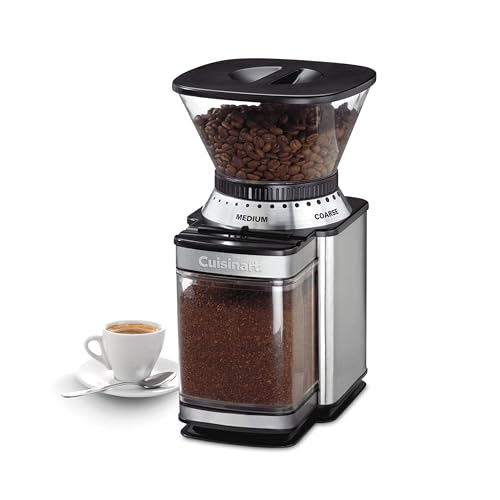
ENJOY OPTIMUM FLAVOR: The Cuisinart Coffee Grinder with 18-position slide-dial grind selector provides a uniform grind from ultra-fine to extra-coarse to ensure your fresh coffee beans are ground exactly the way you prefer.
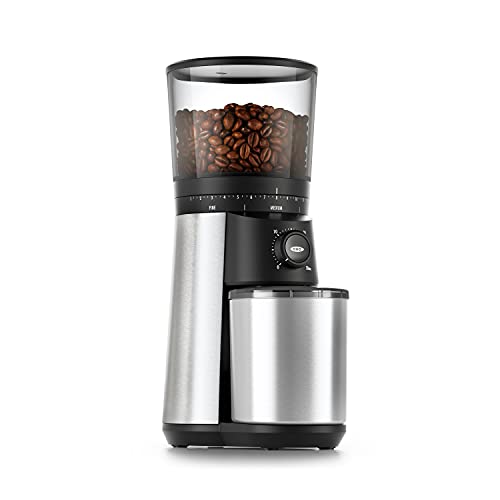
40mm stainless steel conical burrs: Precision grinding system produces uniform coffee grounds to ensure even extraction for rich, balanced flavor in every cup.
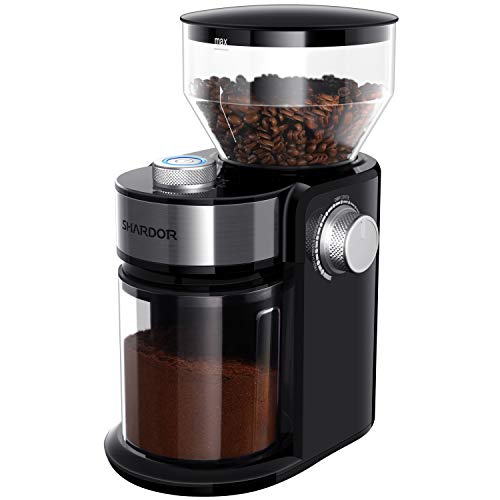
[ UNIFORM BURR GRINDING ] Premium metallic flat burr mill ensures consistent, uniform grounds without burning beans. Perfectly preserves rich coffee aroma for pour-over, drip, and cold brew.
How to Set the Ideal Water Temperature (≈200 °F)?
When you wonder why 200 °F is the sweet spot, think of it as the Goldilocks zone for coffee extraction—hot enough to pull flavor, but not so hot that it burns the beans. You’re probably confused about how to hit that temperature consistently, and you asked the right question.
How do you measure 200 °F accurately?
Use a reliable thermometer and check its calibration before you brew. If the reading drifts, adjust the scale or replace the device. Boil water, then let it sit 30 seconds to a minute; that usually lands you in the 195‑205 °F range.
What prevents heat loss?
Pre‑heat the French press with a splash of hot water, then discard it. This heat‑loss mitigation keeps the brew water near target as you pour. Starting slightly above 200 °F compensates for inevitable cooling when you add grounds.
Takeaway:
Measure, calibrate, pre‑heat, and start a touch hotter—then you’ll stay in the Goldilocks zone. Next, decide how long to steep for your preferred roast. Adding the coffee grounds with the correct coarse grind ensures optimal extraction.
water temperature control is essential for consistent flavor across brews.
A well‑balanced coffee‑to‑water ratio helps maintain the ideal concentration for smooth flavor.
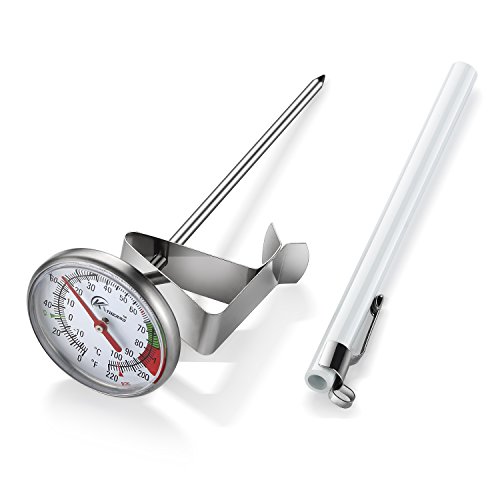
DESIGN:Multi-stage design of the fixed clip, adjust the thermometer read the location of the disk surface to facilitate observation of the temperature of the bubble.


Tough, durable, accurate
Steeping Steps: Add Grounds, Break Crust, Time 4 min?
What’s the first move after you’ve heated the water? You dump the coarse, breadcrumb‑like grounds straight into the pre‑heated carafe, level them, then pour half the water. The bloom timing starts the moment the steam meets coffee; you let it sit for about 30 seconds while gases escape and the bed swells.
Now, break the crust. A quick, gentle Cr—just five seconds—disrupts the floating foam and mixes dry pockets, ensuring uniform extraction without shaking the whole slurry.
All right, add the remaining water, give a light stir, and let the brew steep for a total of four minutes. The takeaway: precise bloom timing and brief crust stirring set the stage for a balanced cup. Next, consider how to plunge without over‑extracting. (After each brew, give the French press a quick rinse to prevent residue buildup) anda mild dish‑soap solution can be used for stubborn stains.
The full‑immersion method of a French press also allows for consistent flavor extraction, which is a key advantage over traditional pour‑over techniques.
A properly tightened screw on the lid ensures a tight seal, preventing leakage during brewing.
The Art of the Plunge: Slow, Even Pressure to Avoid Over‑Extraction?
If you’re wondering why the plunge feels like a delicate ritual, you’re asking the right question. The key is plunge timing: a smooth, 20‑30‑second descent lets the grounds settle and keeps sediment control tight. You’ll feel gentle resistance if the grind is right; a sudden drop means it’s too coarse, while a stuck plunger signals over‑fine particles.
The French press’s immersion method maintains temperature longer than a drip brew, enhancing extraction consistency. Different brewing methods can affect the body of the coffee, with the French Press typically delivering a richer, fuller mouthfeel.
Now, think of the plunger as a door you close slowly, not a slam. Even pressure keeps the coffee bed compact, preventing fine particles from swirling up into the brew. This reduces muddiness and avoids the bitter over‑extraction that happens when grounds stay in contact too long.
All right, once you’ve pressed, pour the coffee out immediately. Decanting stops any lingering extraction, preserving the bright flavor you aimed for. The takeaway: a steady, measured plunge protects your cup from excess sediment and bitterness. Ready to fine‑tune your grind and enjoy a cleaner brew?
Espresso’s high‑pressure extraction yields a concentrated shot with intense flavor and a higher caffeine concentration per ounce.
Why French‑Press Coffee Is Richer: Oils, Fine Particles, and Body?
You’re probably wondering why a French press feels so much richer than a drip brew—great question.
What makes the body heavier?
The metal mesh lets oil aroma stay in the cup, unlike paper that saps those lipids. Those oils coat your tongue, creating a creamy crema texture that feels fuller.
How do fine particles contribute?
A French press doesn’t filter out every speck. Tiny grounds stay suspended, adding viscosity and a silk‑like thickness. Think of it as a smooth sauce versus a watery broth.
Why does immersion matter?
Steeping grounds for four minutes at 195‑205 °F gives uniform contact, extracting more soluble compounds. The result is a deeper flavor and a richer mouthfeel.
Takeaway
Your press retains oils, fine particles, and extracts fully, delivering the bold, full‑bodied cup you crave. Next, explore how brew time tweaks affect bitterness.
Using a paper towel as a makes filter can introduce unwanted chemicals and affect flavor.
Over‑Extraction & Bitterness: Quick Fixes?
You’ve probably noticed that a French‑press cup can turn from silky to harsh in just a few seconds, and you’re right to wonder why. Over‑extraction pulls too many bitter compounds, especially when you use a fine grind and steep too long.
What can you change in a pinch? Switch to a coarser grind; that alone cuts surface area and slows extraction, easing grind bitterness. Reduce steep time by 30 seconds to a minute—aim for about four minutes total.
How does temperature fit in? Brew at 195‑200°F; hotter water accelerates extraction and amplifies bitterness. Let boiled water sit 30 seconds before pouring to hit that sweet spot.
Takeaway: coarse grind, shorter brew, and temperature control keep your cup smooth. Ready to try a new grind setting next?

【Adjustable Grinding Precision】There are seconds marks above the timing knob, from coarse to fine. You can choose the precision of powder according to your needs.
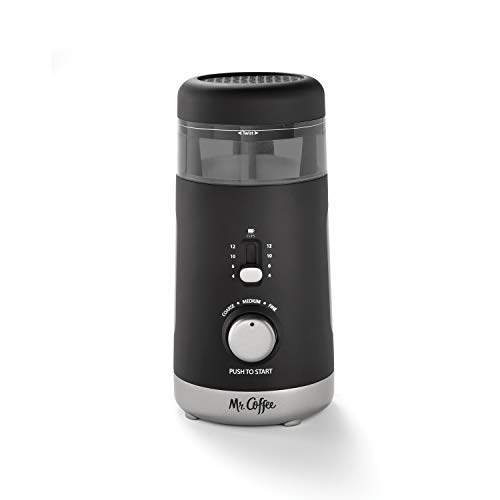
Hands-free Grinding: Automatic settings for efficient, stress-free use

EASILY SELECT GRIND SIZE AND CUPS OF BREWED COFFEE: Whether you need a fine grind size for espresso or a coarse grind for French press, we've got you covered. Just turn the grinder's adjustable selection ring. Grinds enough to brew 4-14 cups.
Serving, Freshness, and Storage Tips for French‑Press Coffee?
One of the biggest mix‑ups with French‑press coffee is when to stop letting it sit. You should pour right after pressing; a gentle pour keeps sediment down and preserves flavor. Now, preheated retention matters—warm the press and your mug for a few seconds; it locks in temperature and lets you enjoy a hot cup longer.
How long can I keep it?
Leaving coffee in the press continues extraction, so transfer it to a thermal carafe within two minutes. Glass presses lose heat fast, so a quick move protects both temperature and taste.
What about beans?
Fresh beans give the best brew. Grind just before you brew; burr grinders produce a consistent coarse grind that extracts evenly. Store whole beans in an airtight container, cool and dark, to slow oxidation. If you buy in bulk, freeze portions in sealed bags and thaw only what you need.
Takeaway
Serve promptly, keep your equipment preheated, and store beans right. Next, experiment with pour‑over timing to fine‑tune your flavor profile. Adding a paper‑filter can virtually eliminate sediment for a cleaner cup.

【Application】 Suitable for traveling, party, dating, business. Ideal atomizer for mini cologne perfume.
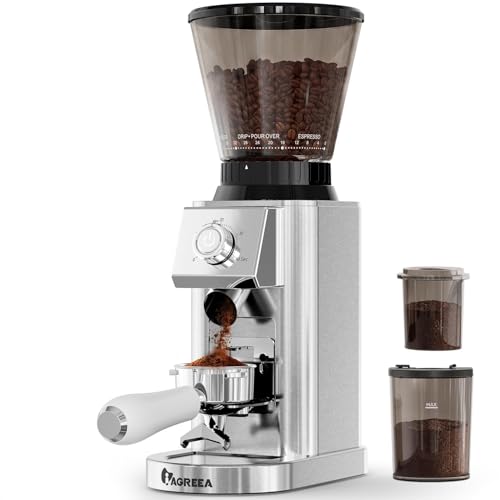
𝗣𝗥𝗘𝗖𝗜𝗦𝗘 𝗚𝗥𝗜𝗡𝗗 𝗖𝗢𝗡𝗧𝗥𝗢𝗟 𝗙𝗢𝗥 𝗔𝗡𝗬 𝗕𝗥𝗘𝗪 - With 48 grind settings ranging from ultra-fine for espresso to extra-coarse for French press, you can easily dial in the perfect grind consistency for your preferred brewing method. Say goodbye to guesswork—enjoy café-quality results at home every time.

Slim, powerful grinder with precise settings from fine to coarse, with 15 settings and 29 micro-adjustments