
You’re probably wondering why your French press sometimes ends up weak or bitter, and you’re on the right track. Use a 1:15‑1:16 coffee‑to‑water ratio (about 63 g per 946 ml), grind coarsely (600‑1000 µm), heat water to 205 °F, bloom for 30‑45 seconds, then steep 4 minutes before a slow plunge; adjust grind or time by 15‑30 seconds for light or dark roasts. This balance gives a rich, smooth cup, and the next step is fine‑tuning those variables for your taste.
Choose the Right Coffee‑to‑Water Ratio for French Press Coffee
You’re probably wondering why a simple number like 1:15 matters, and the answer is that it sets your coffee’s strength and body before you even start brewing. You’ll find that a 1:15 coffee‑to‑water ratio gives a balanced cup, while moving toward 1:13 deepens body and intensity, and shifting to 1:16 lightens it. Use a scale for ratioware selection; a gram of coffee per 15 grams of water equals about 63 g for a 946 ml press. Adjust by taste, aiming for a 20 % swing up or down.
Now, brewing temperature matters too. Aim for 195‑205 °F; hotter water extracts more, while cooler water yields a smoother profile. Combine the right ratio with proper temperature, and you’ll hit your target strength every time.
Takeaway: Start at 1:15, weigh precisely, set the temperature, then tweak until the cup feels right. Next, ask yourself how grind size will further shape your brew. A consistent coarse grind ensures optimal extraction and prevents over‑extraction.
The pre‑heat of the French press helps maintain the brewing temperature and improves overall flavor stability.
A well‑controlled brew time of about four minutes balances extraction and flavor clarity.

【Ultra Small, Yet Professional】The Espresso Scale is small enough to fit in your palm. It measures 4.13*4.13*0.78 inches and weighs just 0.75 pounds. The coffee scale can work on most espresso machines and small pour-over coffee stands. It's easy to store and carry around, making it perfect for coffee lovers who like outdoor coffee.

【3 Smart Modes, 0.1g Pro Precision】Unlock precise control with 0.1g accuracy and 3 smart modes: Auto Timer for Pour-Over, Auto Timer for Espresso, and Standard Weighing. Whether brewing espresso or pour-over, this coffee scale adapts to your style for consistent, accurate results. The larger, easy-to-read display and quick response time help you focus on pouring technique and flow rates without distractions
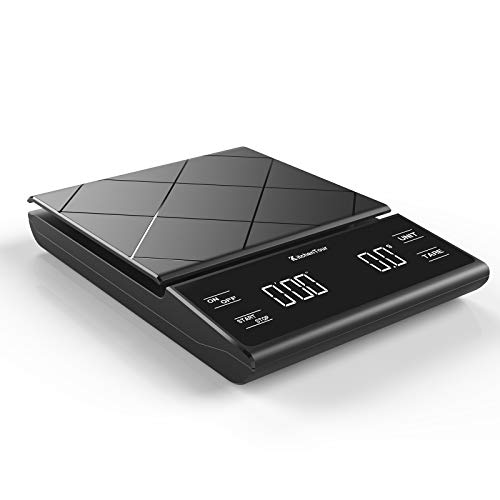
#Make Coffee Better every time# - KitchenTour EK6012 defines the latest in precision weighing technology with a weight capacity from 0.3g - 3000g to help you measure and get an exceptional cup of coffee with refined accuracy. The electronic coffee scale has a built-in timer to cook and time your coffee to ensure the consistency of each cup of coffee.
Select the Ideal Grind Size for French Press Coffee
How does grind size shape your French press brew? You’re probably wondering why “coarse” gets so much hype. The answer lies in grind uniformity and sediment control. A consistent 600‑1000 µm particle size—think sea‑salt granules—lets water soak evenly, preventing over‑extraction from fines and under‑extraction from oversized chunks.
Now, what happens if you get it wrong? Too fine clogs the plunger, creates sludge, and adds bitterness; too coarse yields a thin, sour cup and a weak plunge. You’ll feel the resistance or the lack of it instantly.
Here’s the thing: start with a coarse, even grind, then tweak a notch finer if the coffee tastes sour, or a notch coarser if it’s bitter.
Takeaway: Aim for uniform, coarse grounds (600‑1000 µm) for balanced extraction and clean sediment. Next, ask yourself if your water temperature is spot‑on. Proper water temperature is essential for extracting the full flavor profile. Understanding the role of citric acid in descaling can help you appreciate how mineral deposits are dissolved, ensuring your coffee maker stays clean and performs optimally.
The mesh plunger’s fine metal filter efficiently separates grounds from liquid, delivering a smooth cup without excessive sediment. The French press’s simple design also allows for consistent extraction across each brew.
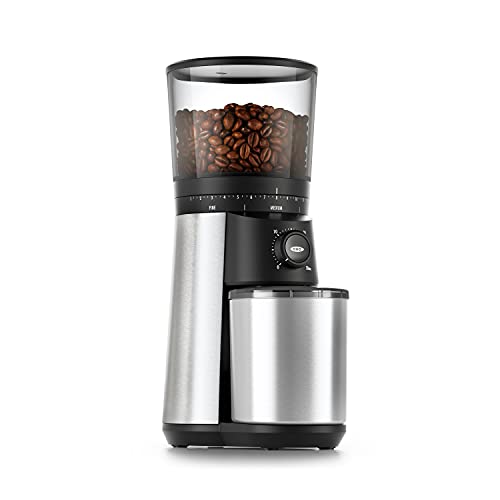
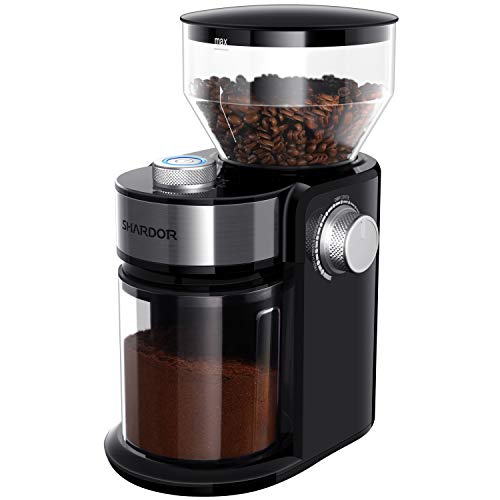
40mm stainless steel conical burrs: Precision grinding system produces uniform coffee grounds to ensure even extraction for rich, balanced flavor in every cup.

EASILY SELECT GRIND SIZE AND CUPS OF BREWED COFFEE: Whether you need a fine grind size for espresso or a coarse grind for French press, we've got you covered. Just turn the grinder's adjustable selection ring. Grinds enough to brew 4-14 cups.

40 EXTERNAL ADJUSTABLE GRIND SETTINGS - Unlike traditional grinders with internal adjustments, our manual coffee grinder offers 40 precise external settings. The easy-to-use adjustment ring lets you select your perfect grind level, broadening your coffee flavor options without the mess of stray grounds. Perfect for espresso, pour-over, French press, and more.
Heat Water to 205°F and Bloom for French Press
If you’re wondering why 205 °F is the sweet spot for a French press, it’s because water just below boiling extracts flavor without scorching the beans. You’ll bring water to a full boil, then let it sit 30‑60 seconds; that short cooldown drops the temperature to the ideal range.
How do you nail the water temperature?
Now, use a thermometer or a kettle with a preset. At sea level, 212 °F boils, so a brief pause gets you to 205 °F. At higher altitude, the boiling point is lower, so you may use the water right away.
What about bloom timing?
Here’s the thing: pour just enough hot water to wet all grounds, wait 30‑45 seconds, then continue. This bloom releases trapped CO₂, ensuring even saturation and preventing channeling.
Takeaway: Precise water temperature and a disciplined bloom timing give you a balanced, aromatic cup. Ready to stir and steep?
A longer steep can extract more flavor, but for a smoother profile try a shorter steep of 12‑24 hours.
Using a coarse grind helps avoid over‑extraction and gritty residue.
optimal extraction ratio is essential for consistent taste across batches.

5 𝑶𝑵𝑬-𝑻𝑶𝑼𝑪𝑯 𝑷𝑹𝑬𝑺𝑬𝑻𝑺: Your Gooseneck Electric Kettle features 5 precise temperature presets. These accurate presets make brewing coffee or tea a breeze

±1℉ Precision Temperature Control – Narcissus P901 Gooseneck Electric Kettle features a highly accurate temperature sensor. Easily adjust the heating power as the water temp approaches the desired temp. Press the "+" and "-" buttons to freely adjust the temperature in 1℉ increments, from 100℉ to 212℉. A long press can speed up the adjustment.

FAST BOILING: Chefman kettles boil water fast. Boil your water for as little as 3 minutes for tea, hot chocolate, pour-over coffee, and other hot beverages.
Follow the Brewing Timeline: Bloom, Stir, and Steep
When does the bloom actually matter? You’ve probably wondered why that quick splash of water feels essential. The bloom releases trapped CO₂, stops dry pockets, and sets a solid foundation for brew timing and extraction consistency.
What’s the perfect bloom length?
You pour about half the water, wait 30 seconds, then watch the crust form. This short pause lets gases escape, so the next step coats every particle evenly.
How should you stir?
At the 30‑second mark, give a gentle swirl for 5 seconds. Light movement breaks the crust without over‑agitating, keeping sediment low and extraction uniform.
When do you steep?
Add the remaining water, then let it sit undisturbed until 4:00. This four‑minute window balances flavor and bitterness for most roasts.
Takeaway: Follow the 0:00‑0:30 bloom, 0:30‑0:35 stir, 0:35‑4:00 steep pattern for reliable extraction consistency. Ready to master the plunge?
A slightly finer grind can increase surface area, allowing for a richer extraction within the same optimal steep time. Using a coarse grind helps prevent over‑extraction and keeps the brew smooth and low‑acid.
water temperature control is crucial for extracting the desired flavor profile without scorching the coffee.
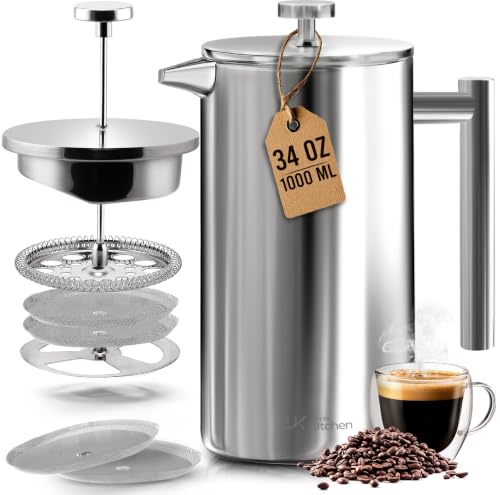
Double-Walled French Press: Make perfectly brewed coffee at home like a barista. The double-walled coffee press is heat resistant. Its solid construction will keep the drink hot for a long time.

Dual-Functionality Design: The Frieling Coffee Spoon & Stirrer combines the utility of stainless steel measuring spoons with the effectiveness of a french press spoon. Its elegant construction makes it an essential tool in every coffee-making ritual
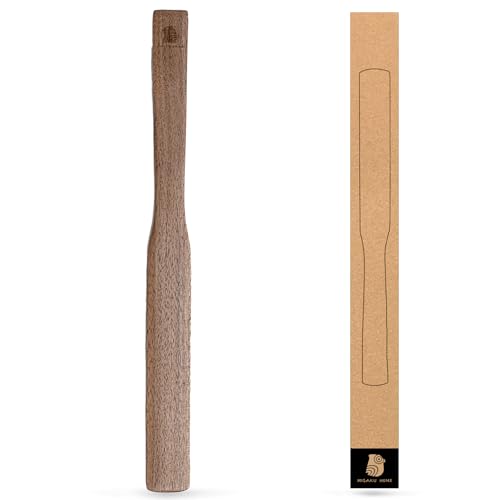
Premium Black Walnut Construction: Made from high-quality black walnut wood, this coffee stir stick offers a natural and elegant appearance. Unlike metal stirrers, it won’t scratch your glassware, perfect for coffee enthusiasts who value both functionality and aesthetics in their brewing accessories.
Plunge Gently to Keep French Press Coffee Clean
A lot of people wonder why a gentle plunge matters—if you slam the plunger, you’ll stir up fine grounds and end up with a gritty cup. You’ll notice that a slow, even push keeps the settled coffee bed intact, so the mesh filter doesn’t get forced to release particles. When resistance spikes, ease back, then resume with lighter pressure; this prevents the mesh from clogging and reduces sediment. Settling time is crucial because it allows fine particles to settle before plunging, minimizing their chance of being pushed through the filter. How do you keep the mesh clean? Rinse the filter immediately after each brew, scrub with a soft brush, and let it air‑dry. Regular mesh maintenance removes trapped fines, ensuring consistent flow and a cleaner cup. Takeaway: A controlled plunge plus routine mesh care give you a smooth, grit‑free brew. Ready to fine‑tune your grind and timing? Properly soaking the press in a mild dish‑soap solution can prevent mineral buildup and keep the glass clear. Using a 1:15 coffee‑to‑water ratio helps maintain balance across different press sizes. A well‑balanced press also enhances flavor extraction when the plunger moves smoothly.
Adjust Grind, Time, and Ratio for Light vs. Dark Roasts
What grind should you use?
For light roasts, go finer—just a notch coarser than espresso—to pull the denser beans. Dark roasts need a slightly coarser grind because their soluble compounds release faster. Adjust in small increments; a too‑coarse light grind yields thin, sour coffee, while a too‑fine dark grind turns bitter.
How long should you brew?
Light roasts enjoy the longer end of the 4‑5 minute window, roughly 5 minutes, to maximize extraction. Dark roasts do well around 4 minutes, preventing over‑extraction. Tweak by 15‑30 seconds if the cup feels off.
What ratio works best?
Aim for 1:15 to 1:17 coffee‑to‑water. Light roasts favor the stronger side, about 1:15, while dark roasts sit near 1:17 for balance. A 1:16 ratio is a solid middle ground.
What temperature should you set?
Use the hotter end of the 92‑96 °C (205 °F) range for light roasts, and the moderate end for dark roasts. Small temperature shifts help fine‑tune flavor without drastic changes.
Takeaway
Fine‑tune grind, time, ratio, and brew temperature based on roast level. Start coarse, then adjust finer for light beans and coarser for dark beans, while nudging brew time and ratio accordingly. Next, ask yourself: are you hitting the right extraction point for your preferred roast?
The French press’s full‑immersion method allows for even extraction, similar to the thorough steeping described for tea in the French Press Tea guide.

[Consistent Flavor Extraction]: Choose the coarseness you need from the 28 settings on the Lonkion burr coffee grinder. The flat metal burr grinding head ensures an even and consistent grind. Whether you need a fine grind for espresso or a coarser grind for French press coffee, you can adjust the grind size for any coffee type.
[ UNIFORM BURR GRINDING ] Premium metallic flat burr mill ensures consistent, uniform grounds without burning beans. Perfectly preserves rich coffee aroma for pour-over, drip, and cold brew.

Slim, powerful grinder with precise settings from fine to coarse, with 15 settings and 29 micro-adjustments
Avoid Over‑Extraction and Keep Your Brew Smooth
You’re probably wondering why a perfectly timed French press can still taste harsh, and you’re right to ask. The culprit is often over‑extraction, which happens when grounds stay in contact with hot water too long or at too high a temperature. Keep steeping at 4 minutes, use a timer, and aim for 195‑205°F water; a 30‑second reduction can rescue a bitter cup.
How does grind size affect extraction?
A coarse or medium‑coarse grind slows the process, giving you a smoother brew. Finer particles increase surface area, speeding extraction and raising bitterness risk. Consistency matters—use the same setting each time.
What role does equipment play?
A clean filter and design prevents residue that can amplify harsh notes. Water hardness control also matters; soft water extracts more evenly, while hard water can accentuate bitterness.
Takeaway: Set a timer, stick to coarse grounds, and maintain clean equipment with proper water hardness. Next, explore how to serve and store your French press coffee for maximum freshness. The full‑immersion method yields a richer body because it retains more coffee oils. Espresso’s rapid extraction showcases a contrasting approach, emphasizing speed and concentration over the gentle, full‑bodied process of French press.
Serve and Store French Press Coffee for Maximum Freshness
Right after you press it, because the bright, aromatic notes start fading within 20‑30 minutes. You wonder about serving timing—just pour after a brief two‑minute settle, then enjoy. If you need a few extra cups, transfer the rest to a thermos; it keeps heat without reheating, preserving flavor.
How should you store the leftovers? Use airtight storage containers like a carafe, jar, or pitcher. Seal tightly to slow oxidation; even a sealed container loses quality after a couple of hours. For a longer pause, a good thermos works better than leaving coffee in the press.
Takeaway: Drink fast, or move coffee to an airtight container or thermos right away. Next, explore how grind size influences extraction. Use coarse grind for maximum surface area and oil retention.