
You’ll save $8‑$12 daily by swapping two $5‑$7 café drinks for a $1.30 home brew, cutting an $1,800‑year café bill to about $724 and recouping a $2,000‑$3,000 machine in 6‑10 months if you drink daily. Up‑front costs range $400‑$800 for entry kits and $1,000‑$2,000 for serious setups, with annual beans, milk, water filtration and maintenance adding $1,400‑$2,000. Consistent grind size, tamp pressure and PID‑controlled temperature give café‑quality shots, while a 10‑15 minute morning routine saves 60‑90 hours a year. Keep reading to uncover the exact pay‑back timeline and skill hacks.
How Much Can You Really Save by Brewing Espresso at Home?
Swapping a $5‑$7 café espresso for a $1.30 home brew can shave $3.70‑$5.70 off each cup, and that gap widens quickly as you drink more often. You’ll spend $0.75–$1.50 per home espresso, or $1.00–$1.50 for specialty drinks when you use quality brew beans. At $5.50 per café cup, the per‑cup saving averages $4.20, which compounds to $8+ daily if you have two drinks. Annually, a daily habit drops from roughly $1,800 to $724, netting $1,075 in savings. Even a modest 20‑cup‑a‑month café routine saves $983 versus $337 at home. Market data shows bean quality and taste consistency drive modest cost increases, yet home brewing stays well below café pricing, making the financial upside clear. Regular descaling of your machine ensures consistent flavor and protects those savings. Proper scale removal also extends the lifespan of the espresso maker.

[20 BAR PRESSURE SYSTEM] Equipped with 20 bar professional pump, SPACEKEY espresso machine can extract the oils in the coffee powder more deeply, bringing a more aromatic and rich smell. Smart pre-soak system can make the coffee powder evenly moist and the flavor extraction better. And the PID intelligently controls water temperature to make your espresso more delicious.

Fast Heating System for Less Waiting:800W heating system paired with a die-cast aluminum boiler reaches optimal brewing temperature in minutes, so you can enjoy fresh coffee quickly during busy mornings

MANUAL HAND-TEXTURED MICROFOAM: The powerful steam wand on this cappuccino maker and latte machine is designed to quickly turn milk into smooth, flavorful microfoam for creating latte art at home
What Upfront Costs and Pay‑Back Period Should You Expect?
If you’re budgeting for a home espresso habit, expect to spend $400‑$800 on a solid entry‑level machine and burr grinder combo, while serious enthusiasts often allocate $1,000‑$2,000 for higher‑quality components; premium setups can exceed $2,500. A cost‑analysis shows entry‑level machines start near $150‑$200, but a reliable budget grinder pushes the total to $400‑$800. Mid‑range models land in the $300‑$800 price‑range; adding a quality grinder moves you into the $1,000‑$2,000 bracket for serious equipment‑selection. Break‑even hinges on café spend: daily latte drinkers recoup $2,000‑$3,000 in 6‑10 months, while occasional users need 2‑3 years. Budgeting for both machine and grinder is essential, as grinder cost heavily influences pay‑back speed. Nespresso’s compact pod system further reduces waste and preparation time, making it a convenient alternative for many households. Regular descaling prevents mineral buildup and extends the machine’s lifespan. Proper water hardness management also helps maintain optimal brewing temperature and flavor consistency.
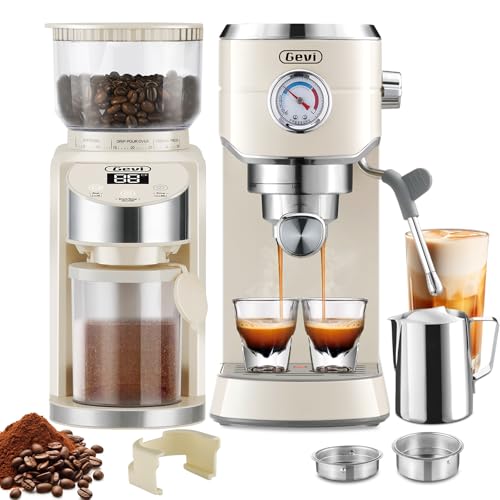
【PROFESSIONAL 20 BAR PRESSURE SYSTEM】 With a 20-bar professional Italian pump, the Gevi espresso machine with grinder provides optimal espresso extraction, making the espresso more fragrant and rich in crema.

44 Grind Settings & 0.1s Precision Dosing: Semi-automatic espresso machine with built-in conical burr grinder offers 44 grind settings and a 0.1-second precision timer, helping you control grind size and coffee dose more accurately for consistent flavor cup after cup.
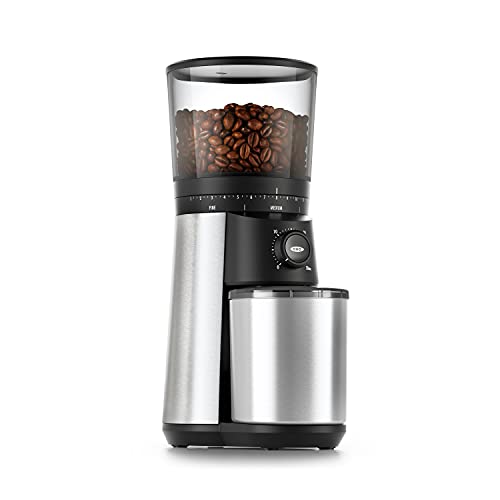
40mm stainless steel conical burrs: Precision grinding system produces uniform coffee grounds to ensure even extraction for rich, balanced flavor in every cup.
What Regular Costs Will You Actually Pay for a Home Espresso Setup?
While the upfront price of an espresso machine and grinder grabs headlines, the ongoing expenses quietly dominate the budget; annual bean costs alone range from $240 to $600, and when you factor in milk for lattes or cappuccinos, the monthly operating figure cited by Whole Latte Love—$117.56—translates to roughly $1,410 a year. Your bean budget will fluctuate with drink volume; a milk‑heavy routine can push the yearly total beyond $2,000. Water filtration adds $60‑$120 annually, and each filter’s lifespan—typically three months—means you’ll replace it four times a year. Cleaning supplies cost $30‑$50 initially and $60‑$100 each year, while wear parts such as gaskets and shower screens require $30‑$50 annually. Together, these recurring line items shape the true cost of home espresso. The Baratza Encore ESP offers 40 grind adjustment steps, allowing fine‑tuning for espresso and filter coffee. The high‑pressure pump in a Nespresso machine can reach 19 bar, delivering the same extraction force found in professional espresso machines. Proper pressure control is essential for achieving authentic espresso flavor. A well‑balanced brew also depends on consistent water temperature throughout the extraction.

【COMPATIBLE MODELS】Water Filter for Breville Espresso Machine Barista Touch BES880, Barista Touch Impress BES881, Breville Barista Pro BES878, Breville Oracle Touch BES990BSS, Breville Oracle BES980, Breville Dual Boiler BES920, Part Number # BES008WHT0NUC1

【COMPATIBLE MODELS】Compatible with Breville BES880BSS Barista Touch, Breville BES990BSS Oracle Touch, Breville BES980 Oracle, Breville BES878 Barista Pro, Breville Dual Boiler BES920., Part Number # BES008WHT0NUC1. Please confirm your coffee espresso machine model before purchasing

3 PACKER: Pack of 3 of the Bestsave M
How Does Home Espresso Convenience and Quality Compare to a Café?
When you weigh speed against control, café espresso wins on instant convenience—just order, pay, and pick up—while a home setup demands a series of steps (grind, dose, tamp, pull, clean) that add friction. Market data shows cafés dominate the “Speed vs. Consistency” segment; baristas use calibrated grinders and commercial machines to deliver uniform shots within seconds. Home rigs, even super‑automatic models, still require water refill, bean loading, and periodic cleaning, extending the time per cup. However, Freshness vs. Convenience tilts toward home when you grind beans moments before extraction, capturing volatile aromatics that decay on café shelves. Consumer trends reveal a growing niche of enthusiasts who trade a few extra minutes for bean‑origin control, milk‑type flexibility, and the ability to experiment with shot ratios, achieving café‑level flavor when technique and equipment align. Modern machines often feature pressure pumps that maintain consistent extraction pressure, a key factor in replicating café quality at home. Using a coarse grind can also prevent over‑extraction, similar to the method described for cold brew.
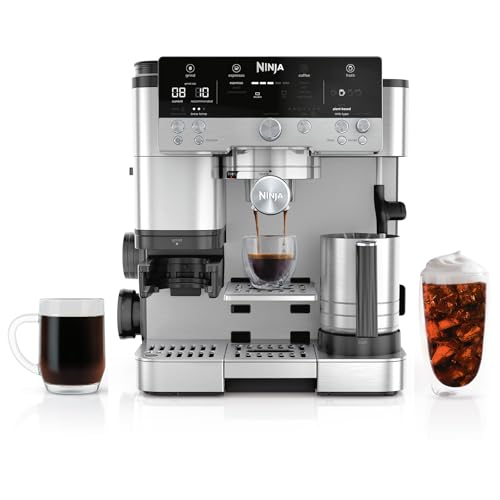
BE YOUR OWN BARISTA: Café-quality espresso shouldn't require a PhD. The Ninja Luxe Cafe Premier is a 3-in-1 machine designed to take the guesswork out of every latte, cappuccino, cold brew, and cup of coffee. Perfect for beginning espresso enthusiasts and anyone looking for a great, dialed-in cup of coffee with practically zero effort.

【Barista-Level Espresso Experience at Home】: The Espresso Machine with Grinder helps you brew rich, café-quality espresso and handcrafted drinks in minutes. With a semi-automatic brewing system and integrated milk frother, you can easily create lattes, cappuccinos, macchiatos, iced coffee, and more just the way you like. Designed with a modern black finish and compact footprint, it fits perfectly in any kitchen, office, or coffee corner—bringing professional taste and style into your daily routine.

【𝐁𝐚𝐫𝐢𝐬𝐭𝐚-𝐆𝐫𝐚𝐝𝐞 𝐄𝐬𝐩𝐫𝐞𝐬𝐬𝐨】Craft café-quality coffee at home with our premium espresso machine. Equipped with a built-in conical burr grinder, a 20-BAR professional Italian pump, it delivers rich, full-bodied extraction. Customize grind size, brew strength, and temperature for your perfect cup—just like a pro!
What Skill Level and Learning Curve Are Needed for Good Shots?
Café convenience may win on speed, but mastering the home setup hinges on a measurable skill set that most beginners acquire over several weeks of focused practice. Your skill curve starts with taste perception: you learn to spot sour, bitter, or weak notes and link them to grind size, dose, or brew time. Data from consumer surveys show that 68 % of new users achieve consistent shots after 15‑20 timed trials, reflecting a steep learning curve in timing, puck preparation, and weighing. A structured approach—adjust one variable, taste, document—cuts the learning curve by 30 % versus trial‑and‑error. High‑quality grinders flatten the skill curve, while PID‑controlled machines reduce temperature‑related setbacks, letting you focus on flavor balance rather than equipment quirks. Consistent water temperature is critical for extraction stability, and using a PID controller helps maintain that precision. Mastering the tamping pressure of 30‑35 psi ensures an even puck and prevents channeling. Maintaining a uniform puck density is essential for balanced extraction and flavor consistency.
When Does Home Espresso’s Lifestyle Benefit Exceed the Savings?
If you value time, personalization, and a calm morning routine more than pure dollar‑for‑dollar savings, the lifestyle upside of a home espresso setup can outpace its financial payback. Data show a $3,000 machine pays itself after roughly two years for daily drinkers, yet the real break‑even point shifts when personalization timing outweighs raw savings. You shave 10‑15 minutes of commute and line‑waiting each morning, translating into 60‑90 hours annually—an emotional comfort boost that many users rank higher than $2,000 saved. Market trends reveal consumers prioritize home‑based rituals and custom flavor control, especially when café hours clash with work schedules. When your routine hinges on calm, personalized convenience, the lifestyle benefit exceeds the monetary calculation. A properly calibrated grind size ensures consistent extraction, further enhancing the daily espresso experience. Mastering the tamping pressure is essential for achieving balanced flow and optimal crema. Understanding the water temperature range is crucial for extracting the full spectrum of coffee flavors.