
You’re right to wonder if a drip coffee maker can give you espresso‑like strength, but without 9 bar pressure it can’t truly replicate espresso’s crema, body, and flavor extraction. Here’s the thing: using a fine‑to‑medium‑fine grind, a 10 g dose, and a 1:5 coffee‑to‑water ratio (about 60 g water) will produce a thick, concentrated cup, yet you’ll still miss the creamy, syrupy mouthfeel of real espresso. Obviously, the brew will be more like a strong drip, so if you crave true espresso you’ll eventually need a press‑driven machine or an AeroPress.
Can a Drip Coffee Maker Really Produce Espresso‑Like Coffee?
Can a Drip Coffee Maker Really Produce Espresso‑Like Coffee? You’re probably wondering if your drip machine can mimic that bold, thick shot. The short answer: it can’t brew true espresso, but it can churn out a strong, concentrated brew that works as a latte or cappuccino base.
Here’s the thing: increase the coffee‑to‑water ratio to about 1 Tbsp grounds per 2 oz water, use a medium‑fine grind, and choose a dark roast—Italian or French—to boost intensity. Fresh beans matter for brew health, and the bean origin still influences flavor, even if you’re not pulling a pressure‑driven shot.
All right, you’ll get a bold, robust cup, not crema. The takeaway: expect a strong coffee concentrate, not authentic espresso, and enjoy it in milk‑based drinks. Next, explore why pressure matters for true espresso. For a smoother, less acidic brew, consider using a coarse grind and a longer steep time, similar to cold brew methods. Proper brew ratio helps achieve a balanced, rich cup. Using a coarse uniform grind can also reduce over‑extraction and bitterness.

32 oz Bag of Gaviña Old Havana Espresso Whole Bean Coffee — freshly packed to preserve peak flavor and aroma. Grind fresh for a truly rich espresso experience.

LAVAZZA ESPRESSO FOR AUTOMOBILI LAMBORGHINI: A 2.2 lb whole bean coffee bag ideal for espresso preparation

One bag of 2.2lb Lavazza Espresso Barista Gran Crema Whole Bean Coffee Blend
Why Pressure Is Essential for Espresso‑Like Coffee (and Why Drip Makers Can’t Replicate It)
You’re probably wondering why a drip machine can’t give you that true espresso punch you tasted at the café. The secret lies in pressure control. Espresso machines force hot water through a compacted puck at about 9 bar, pushing water into the dense coffee bed and extracting oils, aromatics, and gases that gravity‑only drip systems never reach.
Why does that matter? High pressure emulsifies coffee oils, creating the velvety mouthfeel and the golden crema formation you see on a proper shot. Crema is a suspension of gases, oils, and fine particles that only a sealed, pressurized chamber can produce. Drip makers vent pressure, so they filter coffee instead of concentrating it.
Bottom line: without a pressurized portafilter and a pump, you won’t get the body, intensity, or crema that define espresso. Next, consider how grind size and coffee dose amplify that pressure‑driven extraction. The Aeropress’s rapid, pressure‑assisted immersion can mimic some espresso‑like qualities, but it still falls short of true high‑pressure extraction. The boiler temperature must stay stable to ensure consistent extraction and avoid bitterness.
A well‑designed pump system maintains the necessary pressure throughout the brew cycle.
How Finer Grounds and a Higher Coffee Dose Create Espresso‑Like Strength
What happens when you grind finer and add more coffee? You boost Grind dosage while raising Extraction resistance, and the brew turns espresso‑like. Finer particles expose more surface area, so water pulls flavors faster, but the tighter puck slows flow, lengthening contact time. Adding a higher dose loads the basket with more soluble material, so even a modest flow delivers a denser cup. The combo creates a bolder, thicker body that rivals a short‑brew espresso, though you risk bitterness if you over‑do it.
All right, think of it as a traffic jam: more cars (coffee) and narrower lanes (fine grind) force the water to linger, extracting more. The takeaway: fine grind + higher dose = stronger, espresso‑like strength, but stay within your maker’s flow limits.
Now, ask yourself: can you balance grind and dose without clogging the filter? consistent extraction is key to avoiding channeling and uneven puck formation. The extraction ratio influences both body and bitterness, making it a crucial factor when adapting a drip coffee maker for espresso‑style results. Applying the correct tamping pressure ensures the puck density supports steady flow and prevents over‑extraction.
What Coffee‑to‑Water Ratio Gives Espresso‑Like Concentrate?
If you’re wondering which coffee‑to‑water ratio will give you that espresso‑like punch from a regular coffee maker, you’ve hit the right spot.
What ratio mimics espresso concentration?
Your coffee maker uses a brew ratio, not true espresso pressure, so aim for a tighter 1:5 to 1:8 mix. A 1:5 ratio—five parts water to one part coffee—produces a thick, espresso‑like concentrate that holds up when you add milk or ice. If you prefer a slightly milder base, try 1:6 or 1:8; you’ll still feel the punch, but you’ll need less coffee dilution later.
Why not use drip ratios?
Standard drip (1:15‑1:18) yields a gentle cup; it won’t give you the intensity you crave. By tightening the brew ratio, you extract more solids, creating a syrupy shot that behaves like espresso when you dilute it. Grinding just before brewing helps preserve fresh aroma for a richer taste. The particle size you select determines how quickly those solids dissolve, influencing both strength and clarity.
Takeaway
Start with 1:5 for a strong espresso‑like concentrate, adjust to 1:6‑1:8 if you want a lighter base, then control coffee dilution to taste.
Now you know the math—what’s your next brew experiment?
How to Brew a Concentrated Cup in a Standard Coffee Maker
What grind should I use?
Pick a fine‑to‑medium‑fine brew grind. It’s finer than a typical drip grind but not as fine as espresso, so water still flows. Freshly ground beans give richer aroma, and a darker roast adds body. Level the grounds in the basket and give them a light press to mimic tamping. Using a sealed jar can also help keep the grounds fresh longer.
How much coffee and water?
Aim for about 10 g of coffee (roughly two tablespoons) to 60 g of water, producing a two‑ounce shot‑size cup. Use a small‑batch setting or a “bold” mode if your maker has one; this shortens brew timing and yields a denser brew.
What’s the final step?
Start the cycle with hot water, stop when the brew ends, and serve immediately. You’ll get an espresso‑like concentrate perfect for straight sipping or as a base for milk‑based drinks.
Takeaway:
Fine‑to‑medium‑fine grind, strong coffee‑to‑water ratio, and a short brew timing give you a concentrated cup without extra equipment.
Next?
Try it now and note the flavor; then explore how to fix any over‑extraction or clogging issues.
Regular descaling removes mineral buildup that can otherwise impair water flow and temperature stability.
cleaning the group head helps maintain consistent pressure and flavor extraction.
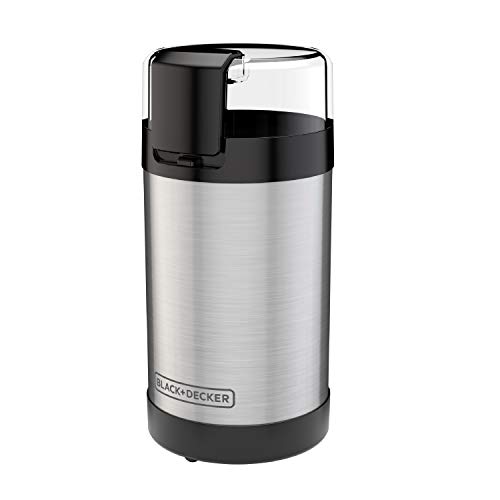
STAINLESS STEEL BLADES AND BOWL - The sharp blades and durable grinding bowl are built to last, delivering uniform grinds with every use
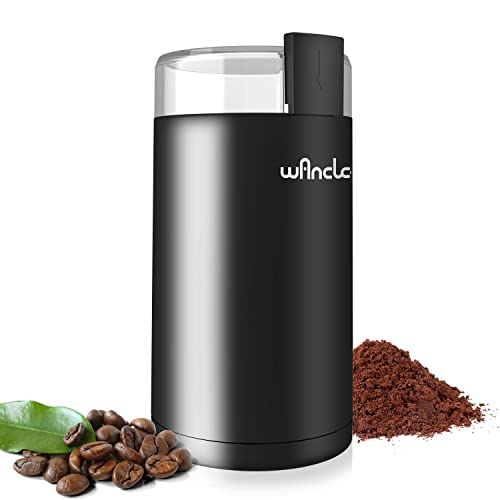
✅【A Secret To Grind Bean Effortlessly】Grinder comes with a pure copper motor and stainless steel blade. Easily observe the grinding situation by a transparent lid, extract the perfect flavor from beans. let you enjoy great coffee in a few seconds.

Electric coffee bean grinder appliance for home use
How to Fix Common Issues (Clogged Filter, Over‑Extraction, Flavor Imbalance)
You’re probably wondering why your drip machine sometimes spits out a weak, bitter, or barely‑dripping cup, and that’s a perfectly valid concern.
What clogs the filter?
A buildup of coffee grounds, oil, or mineral scale can block the mesh. Soak the basket in hot water, scrub with a soft brush, and use a pin gently for stubborn holes. Run a vinegar‑water cycle (1:1) for 30 minutes, then rinse three times. Immediate cleaning prevents coffee stains from forming and blocking the basket holes.
Why does over‑extraction happen?
When flow slows, water extracts too many compounds, turning the brew bitter. Clean the filter, descale the line, and avoid packing grounds too tightly. Regular descaling helps maintain proper water pressure and prevents mineral buildup that can cause uneven extraction. Consistent scaling ensures each brew cycle extracts the right amount of flavor.
How to restore flavor balance?
Rinse reusable filters, dry them thoroughly, and keep oil residue at bay with a coffee‑safe detergent or baking soda.
Takeaway: Regular filter cleaning and descaling keep flow steady, preventing under‑ or over‑extraction and preserving flavor balance. Ready to troubleshoot your next cup? descaling schedule ensures optimal performance.

2-Pack Coffee Descaler and Cleaner - Clean and rinse away residue and oil buildup in your coffee maker with Impresa's Coffee Descaler Solution. Our highly effective solution comes with two 8-ounce bottles - enough for 4 descaling sessions (2 uses per bottle)
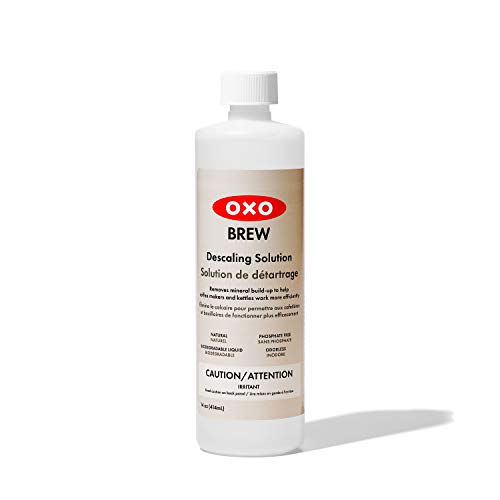
Helps keep your coffee makers and kettles working efficiently and using less energy

FROM DE'LONGHI. The world-leader in espresso machines.
When to Upgrade for Better Espresso‑Like Coffee (AeroPress, Moka Pot, Espresso Machine)
When should you move beyond your drip machine? You’re probably tasting thin coffee, missing the bold bite you crave.
Is the AeroPress your first step?
Now, the AeroPress gives you portability convenience and a budget‑friendly lift. You grind fine, press manually, and hit a 1:7–1:12 ratio—much stronger than drip’s 1:15+. It won’t reach true espresso pressure, but it delivers a rich, espresso‑like cup you can take anywhere. Zero‑effort pods are inexpensive but lack depth. The AeroPress also lets you fine‑tune the brew with the optimal coffee‑to‑water ratio for consistency. Its immersive pressure extraction combines the best of immersion and pressure for a smooth, low‑acidity cup.
Should you try a Moka pot next?
Here’s the thing: a stovetop Moka pushes water through grounds at 1–2 bar, giving a concentrated brew that pairs well with milk. It’s still low cost, but you lose the AeroPress’s quick cleanup and need careful heat control to avoid bitterness.
When does an espresso machine become worth it?
Obviously, if you want repeatable shots, crema‑like texture, and full control over pressure and temperature, you need a real machine. This is the biggest jump in quality, but it also demands a burr grinder and a higher budget.
Takeaway
Start with an AeroPress for convenience and budget scalability, move to a Moka if you want stovetop strength, and upgrade to an espresso machine when you need true espresso performance.
Next step
Ask yourself: how much control and consistency do you really need for your daily coffee ritual?

Complete Brew Control – The innovative AeroPress Flow Filter Cap features a pressure-actuated valve that stops drip-through, giving you complete control over grind size and brew time for endless creativity.

Reusable, Travel-Ready Stainless Steel – The AeroPress reusable metal coffee filter is crafted from premium grade 316 stainless steel - much more durable than the 304 grade stainless steel used in other filters. Just brew, rinse and repeat wherever your brew takes you – from traveling to camping, backpacking, boating, and vacationing.

✅ Packing including 1pc coffee grounds funnel and 1pc travel bag compatible for Aeropress Original/Go/Clear/XL espresso coffee maker. (NO INCLUDED the coffee maker)
How Does Espresso‑Like Coffee Compare to Real Espresso in Taste, Crema, and Body?
You’ve probably wondered why the coffee you make in a regular machine feels “espresso‑like” yet never quite matches a true shot. The flavor depth in a coffee‑maker brew is milder, often cleaner, while real espresso delivers layered, intense notes that hit you all at once.
What’s the crema difference?
Here’s the thing: true espresso forms a thick, golden‑brown crema that stays stable for minutes, thanks to high‑pressure emulsification. Espresso‑like coffee may show a frothy top, but it’s thinner and fades quickly, lacking that richness and crema stability.
How does body compare?
All right, real espresso feels heavy and syrupy, a dense mouthfeel from concentrated oils. Your coffee‑maker cup feels lighter, more watery, because extraction lacks the pressure that builds body.
Takeaway: You’ll notice milder taste, fleeting foam, and lighter body in espresso‑like coffee. Want to close the gap? Consider a method that adds pressure, like a Moka pot or AeroPress.
What to Expect and When to Upgrade
What should you expect from a drip coffee maker before you decide to upgrade? You’ll get a stronger brew flavor, but the machine can’t generate pressure, so true espresso stays out of reach. Expect a larger cup, less crema, and a taste that leans toward bold coffee rather than the tight, velvety shot an espresso machine delivers.
Now, when does the upgrade become worth it? If you’re chasing authentic espresso texture, or you’re frustrated by the limited brew flavor and high brewing cost of repeated experiments, it’s time to think about a dedicated espresso machine, a moka pot, or an AeroPress.
All right, what’s the next step? Test a finer grind and lower water ratio today; if the result still feels off, move toward a pressure‑based device for genuine espresso.
Using the exact two‑tablespoon coffee measurement from the guide can improve extraction consistency, but the resulting brew will still fall short of true espresso because the drip lacks pressure generation.