
You’re probably wondering whether the bold, espresso‑like shot of a moka pot or the smooth, full‑bodied cup from a French press fits your routine. Here’s the thing: a moka pot uses steam pressure (≈1 bar) and a fine grind, delivering a 2‑2.5 % TDS, concentrated brew that holds up with milk, while a French press immerses coarse grounds for 4‑5 minutes, giving a 1 % TDS, oil‑rich cup with more nuance. Obviously, the moka pot needs precise heat control and a bit more cleanup, but it’s compact and travel‑friendly; the press is forgiving, easy to use, but bulkier. If you crave a quick, punchy espresso‑style drink, go moka; if you prefer a relaxed, flavorful mug, choose the press. Want to dig deeper into extraction, grind size, and portability? Keep going.
French Press vs. Moka Pot: Quick Overview & Who Wins
You’re probably wondering which method gives you the best overall coffee experience. You want a brew that can sustain flavor without demanding constant attention, and you care about brew speed too. The French press delivers a smooth, balanced cup with full body, letting you steep for 4‑5 minutes while you relax; the Moka pot pushes a bold, espresso‑like shot in about the same time but needs careful heat control to avoid bitterness.
Which method feels easier for daily use?
All right, the French press wins on simplicity. It tolerates a bit of timing slip‑up, so you can focus on other tasks. The Moka pot rewards precision, giving you intense flavor if you watch the stove closely.
What about strength versus nuance?
Obviously, the Moka pot concentrates caffeine and intensity, while the French press preserves nuanced notes and texture. If you crave a strong kick, choose the Moka; if you prefer a gentle, rich sip, stick with the press.
Takeaway
For everyday convenience and a sustainable, smooth brew, the French press edges out the Moka pot. If you need a compact, high‑impact cup and can manage the timing, the Moka pot shines. Next, compare how each extracts flavor to see which matches your taste. Adding a coarsely ground coffee to a French press can further reduce bitterness and enhance smoothness. pressure‑assisted immersion offers a quick, clean extraction method that contrasts with the French press’s longer steep.

Superior Filtration: A solid filtration system in a coffee maker ensures a refined taste and robust flavor mouthfeel. Our 4-filter sieve system has an improved piston plate and 80 mesh filter that extracts the earthy, rich taste of residue-free coffee. This 1000 ml/34 Oz beaker makes 4 cups of creamier & tastier coffee.
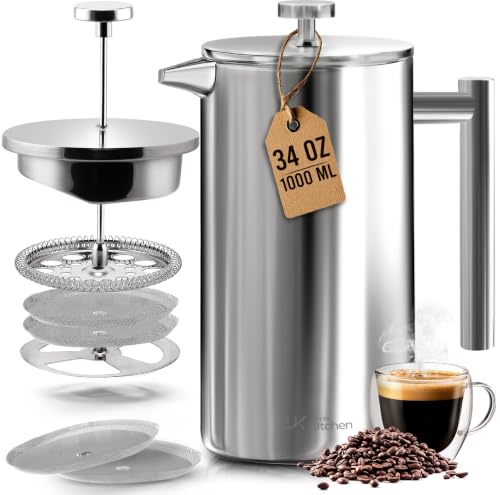
Double-Walled French Press: Make perfectly brewed coffee at home like a barista. The double-walled coffee press is heat resistant. Its solid construction will keep the drink hot for a long time.

【EASY TO USE】Brew a cup of coffee in several minutes. The 51oz/1500ml french press makes the perfect cup of coffee. The french press coffee is the easiest to concentrate on the condition of the beans among the many devices. You can see the amount of foam (crema) after the coffee touches the water, and how the coffee floats on the water and slowly sinks
How Extraction Works in a French Press vs. Moka Pot
You’re probably wondering why the French press feels so relaxed while the Moka pot seems like a pressure cooker. The French press relies on immersion: you pour near‑boiling water over coarse grounds and let them steep for about four minutes. The plunger’s metal mesh separates liquid from grounds, but fine particles and oils slip through, giving strong oil retention and a richer mouthfeel. Sediment control stays decent because the coarse grind limits fallout.
Now, the Moka pot uses brew pressure. Steam builds in the bottom chamber, forcing water up through a compact puck of fine coffee. This forced flow extracts quickly, usually in five to seven minutes, and the higher pressure strips solubles faster. The result is less sediment and lower oil retention, but a more concentrated brew.
Takeaway: Immersion yields gentle, oil‑rich coffee with more sediment; pressure‑driven extraction gives a cleaner, stronger cup. Next, explore how these methods shape flavor and body. Espresso extraction produces a higher caffeine concentration per ounce compared to the French press. Barista‑style almond milk creates a richer foam that can be used for latte art. The French press’s coarse grind helps maintain a balanced extraction and prevents over‑extraction.
How Extraction Shapes Flavor and Body in Each Brew
Why does the flavor feel so different between a French press and a Moka pot? You’re right to wonder—extraction intensity drives the contrast. The Moka’s pressure pushes more solids into a tiny cup, so the brew aroma hits you sharp and the mouthfeel texture feels dense, almost syrupy. In a French press, immersion yields a larger volume with more water dilution, giving a rounded, plush body and a broader, softer aroma.
Now, think of the Moka as a concentrated espresso‑like shot: it delivers bold roast notes, tighter flavor clarity, and a heavier mouthfeel texture because fine particles and emulsified oils stay in the cup. The French press, by contrast, spreads compounds evenly, preserving sweetness and layered depth, though the extra sediment can mute clarity.
All right, the takeaway: pressure‑driven extraction gives you intensity and a compact mouthfeel; immersion offers richness and a broader, smoother texture. Next, you’ll want to explore grind size and brew time to fine‑tune each method. Full‑immersion brewing yields more oil retention, contributing to a richer body. The high pressure of the Moka pot is comparable to a mini‑espresso machine, delivering a more concentrated cup. Adding a nitrogen infusion step can further enhance the mouthfeel, creating a silky, velvety texture similar to nitro cold brew.
What Grind Size and Brew Time Are Ideal for Each Pot?
What grind should I use and how long should I brew? You’re probably wondering which grind texture and brew timing fit each pot. For a Moka pot, aim for a medium‑fine grind—think table‑salt size, a bit finer than flour, roughly 360‑660 µm. Burr grinders give the consistency you need, and a gritty feel prevents clogging. Brew for about 60 seconds to 3 minutes on medium‑low heat; once the first trickle appears, lower the heat and stop when the upper chamber fills. The typical Moka pot takes 4‑6 minutes from start‑up to the first flow, and you can hear a gurgling sound indicating completion. All right, for a French press use a coarse grind, like sea‑salt or breadcrumbs, so the particles stay out of the filter. Brew for a steady 4 minutes (3‑5 minutes works too) and press smoothly. The takeaway: match a finer grind and short, heat‑controlled brew for the Moka, and a coarse grind with a longer immersion for the French press. Next, compare how these choices affect espresso‑like concentration.
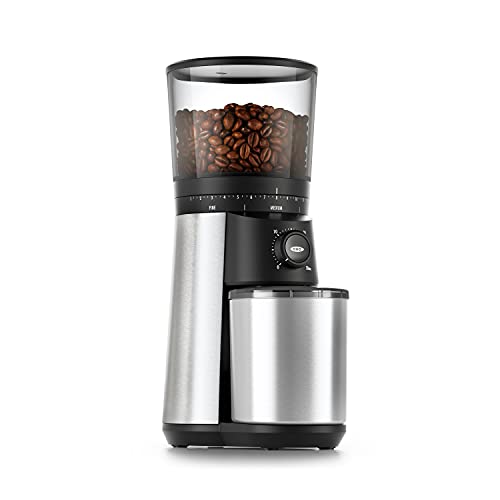
40mm stainless steel conical burrs: Precision grinding system produces uniform coffee grounds to ensure even extraction for rich, balanced flavor in every cup.

Supercharging Performance & Long-Lasting Battery – Equipped with a high-capacity 2000mAh battery that delivers 33% more runtime than the previous generation. The upgraded motor grinds coffee beans 1.8 times faster, ensuring rapid and efficient operation with every use
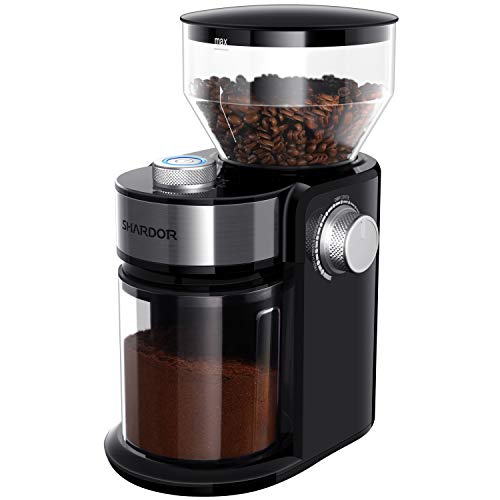
[ UNIFORM BURR GRINDING ] Premium metallic flat burr mill ensures consistent, uniform grounds without burning beans. Perfectly preserves rich coffee aroma for pour-over, drip, and cold brew.
Which Brew Gives a More Espresso‑Like Concentration?
Which brew gives a more espresso‑like concentration? You’re probably wondering why the moka pot feels so “shot‑like.” The answer lies in espresso extraction and pressure dynamics. The moka pot forces steam through grounds at about 1 bar, concentrating dissolved solids to roughly 2.0‑2.5 % TDS. That pressure pushes flavors into a thick, syrupy cup, mimicking espresso’s intensity.
Now, compare that to French press immersion, where water sits with grounds at a 1:15 ratio and extracts about 1 % TDS. The lack of pressure means you get a fuller, rounder brew but far less punch.
All right, the takeaway: if you want a dense, espresso‑style sip, the moka pot wins. Next, think about how you’ll handle cleanup and learning curve. The Nespresso machine’s high‑pressure pump achieves 19 bar, delivering a richer extraction than both methods.
Ease of Use, Cleanup & Learning Curve: French Press vs. Moka Pot
If you’re stuck wondering which method feels easier to start with, you’re not alone. The French press offers a straightforward workflow: add coarse grounds, pour hot water, steep four to six minutes, then press. You need only a kettle, and the learning curve stays low, so brew intensity stays gentle and forgiving.
Now, the Moka pot demands assembly, heat‑management, and precise grind size. You watch the stove, adjust flame, and avoid over‑extraction, which makes the process less intuitive.
Here’s the thing about cleanup: the French press leaves a mesh filter and grounds that cling to the carafe, increasing maintenance frequency. The Moka pot disassembles into a few metal parts that rinse quickly, so you spend less time cleaning.
All right, the takeaway: if you want low‑effort brewing and minimal maintenance, the French press wins. If you crave a richer brew and don’t mind a steeper learning curve, the Moka pot fits. Ready to test which feels right for you?
A proper coarse grind enhances extraction consistency and reduces bitterness. Adding a cold brew step before steeping can further smooth the flavor profile.
A precise water temperature of about 195‑205 °F (90‑96 °C) is crucial for optimal extraction.
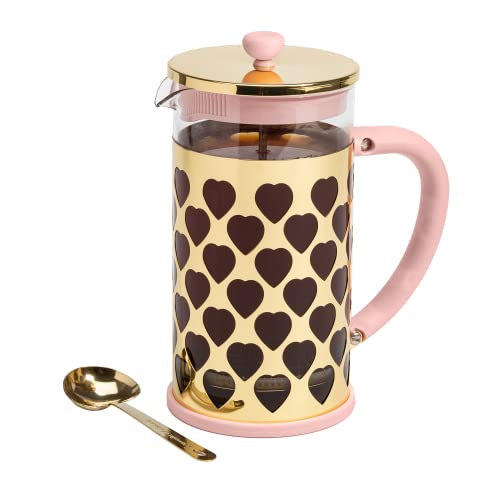
SLIV YOUR MORNINGS: The Paris Hilton coffee press set will make your morning brew iconic. A golden heart shaped measuring spoon and fine mesh stainless steel coffee filter keeps ground coffee from spoiling your first morning sip. Makes up to 8 demitasse cups of freshly pressed coffee with style.

ALL-IN-1 SET: This set comes with 1pc 32oz gooseneck kettle, 1pc stainless steel coffee filter, 1pc 14oz coffee extraction cup, 1pc electric coffee grinder, 1pc coffee scale. This is a great pour over coffee maker kit that is ideal for advanced users.

LOOKING FOR COFFEE PRESS FOR MATCHING UP YOUR KITCHEN? We, the POLIVIAR french press coffee maker will be your smart choice. While the coffee pot is made from food grade stainless steel with stylish long-lasting coating, It is easy to match up your kitchenwares and your kitchen's theme. Also, the ergonomic handle with German teak wood will maximize the fantastic time of grounds you loved.
Portability & Kitchen‑Space Differences Between the Two
Ever wonder how much kitchen real this two brewers actually take up? You’ll see the moka pot’s compactable design nests its chambers vertically, slashing its countertop footprint to about the size of a small coffee mug. A French press, by contrast, spreads out with a wide carafe and tall plunger, demanding roughly twice the surface area and more cabinet height.
Now, think about storage. The moka pot slides into a tight cupboard slot, while the press needs a broader shelf or a dedicated nook. Obviously, the press’s glass body adds fragility, so you’ll need to guard it during moves or camping trips. The metal moka pot tolerates bumps and packs into a suitcase like a sturdy lunchbox.
All right, your kitchen space and travel plans dictate the winner. If you crave a sleek, space‑saving setup, the moka pot wins. If you prefer a simple pour‑over without a stove, the French press still fits—just plan for extra room. The Moka Pot Coffee guide also notes that proper tamping ensures consistent pressure, which can affect how compact the device feels when stacked. Regularly clean the gasket to prevent rust and maintain a tight seal. Proper residue removal after each brew helps keep flavor fresh.

Venus is the perfect combination of tradition and innovation: the original induction coffee maker that prepares a perfect coffee, with a Made in Italy taste from a pot with a unique design.

Venus is the perfect combination of tradition and innovation: the original induction coffee maker that prepares a perfect coffee, with a Made in Italy taste from a pot with a unique design.

MAKE GREAT TASTING COFFEE: Brew rich espresso the traditional way with this Cuban coffee maker. Fill up the filter with your favorite coffee grounds, place the espresso coffee maker on a stovetop, and make rich and aromatic lattes, cappuccinos, or espresso.
Quick Decision Checklist: Choose the Right Brew for Your Priorities
Now that you’ve visualized how each brewer fits in your kitchen or suitcase, you’re probably wondering which one aligns with what you value most in a cup. Here’s the thing: if brew intensity is your top priority, the Moka pot delivers a punchy, espresso‑style shot that holds up well with milk. If you crave texture trade offs like a heavy, oily mouthfeel, the French press gives you that full‑bodied richness. All right, think about ease of use. The French press is a simple immersion method—just steep coarse grounds for four minutes. The Moka pot needs careful timing and pressure, but the payoff is a concentrated brew. Obviously, cleanup matters. The Moka pot wipes clean with few grounds left behind; the French press leaves sediment to manage. Choose the Moka pot for quick, intense cups, or the French press for a smoother, textured experience. Your next step: match your priority to the brewer that fits your daily routine. The Moka pot’s steam pressure drives water through the coffee grounds, creating a rich, concentrated brew. Proper water temperature is crucial for extracting balanced flavor without bitterness. Using a fine grind ensures optimal extraction and a velvety crema.

CRAFT COFFEE AT HOME: Produces six demitasse/espresso servings of rich, smooth espresso coffee in minutes. Craft your own espresso, Americano, Cuban coffee, Italian-style coffee, Moka, lattes, cappuccinos and more from the convenience of your home.Filter type:Reusable

MEDIUM CAPACITY: This stovetop espresso maker brews six cups of rich, full-bodied coffee using traditional Italian moka pot brewing method, forcing hot water through grounds for barista-quality espresso flavor in minutes

Moka Espresso Coffee: Stovetop espresso maker, Moka pot, & manual coffee percolator machine. Available in 3-cup, 6-cup, 9-cup and 12-cup sizes. The stove top percolator makes home espresso like a barista. It's easier to use than an electric espresso machine and makes a rich cup of espresso mocha.3 cup, 6-cup, 9-cup and 12-cup expresso coffee pot, stove top size, food grade aluminum Espresso Moka coffee pot.