
You’re probably wondering if the AeroPress or French Press gives you the coffee you crave, and you asked the right question. The AeroPress uses a 1‑minute soak plus 0.5‑bar pressure, so you get a bright, clean cup in under two minutes with a medium‑fine grind and paper filter; the French Press immerses coarse grounds for 3–4 minutes, delivering a heavier, oil‑rich body that feels like a melt‑in‑your‑mouth brew. If you need speed, portability, and a nuanced profile, go AeroPress; if you want batch size, richer texture, and a classic feel, choose French Press. Keep reading to see which fits your daily routine best.
AeroPress vs French Press: Brewing Mechanics Compared
You’re probably wondering why the two methods feel so different even though both steep coffee. The French Press relies on pure immersion timing: you let grounds sit 3–4 minutes, then push a mesh plunger to separate liquid. The AeroPress adds pressure dynamics; after a 1‑minute soak you press the plunger, forcing water through a filter with about 0.5‑bar air pressure, which speeds extraction and concentrates flavor.
How does pressure change the brew?
Now, think of a syringe versus a bowl. The French Press is a bowl—gravity does the work, so extraction depends solely on how long the grounds stay wet. The AeroPress is a syringe, adding a gentle squeeze that pushes water through finer particles, pulling more soluble compounds in less time. Obviously, that pressure gives a brighter, cleaner cup.
What does immersion timing do for each?
All right, longer immersion in a French Press yields fuller body because oils and fine sediment stay longer in contact. In the AeroPress, a brief soak preserves acidity and clarity; you can tweak timing to balance strength and smoothness. The takeaway: pressure dynamics drive speed and concentration, while immersion timing controls body and flavor depth. Next, compare how grind size influences those dynamics. Cold brew’s coarse grind helps prevent over‑extraction during long steeping. The AeroPress’s compact design makes it ideal for travel and quick brewing. The extraction speed of the AeroPress also allows for more consistent results across varying water temperatures.

Hand Crafted Precision Brewing – Our iconic 3-in-1 brewer reimagined. Double-wall borosilicate glass chamber enhances heat retention and showcases your brew, while precisely engineered stainless steel and aluminum components add strength and style for a brew experience as smooth and refined as the taste of our signature brew. Designed to bring café-quality brewing and modern design to your kitchen coffee station, AeroPress Premium combines a sleek, minimalist design with a compact footprint.

Clear Colors in Shatterproof Tritan – AeroPress Clear Black Coffee Press features our iconic 3 in 1 brew tech in crystal clear Tritan for a durable, shatterproof, travel-ready brewer that lets you see your brew – wherever your brew takes you.

UNIQUELY DELICIOUS: No more average joe from fancy, expensive machines. By combining the best of several brew methods into one patented device, you get smooth, rich, grit-free coffee with a delicious, full-bodied finish that lingers well after your last sip. No bitterness. No cream needed.
Best Grind Size for AeroPress and French Press
What grind should I start with? You’re probably wondering which size gives you the best flavor impact without a mess. For AeroPress, aim for a medium‑fine grind—think table‑salt consistency, around “#4” on a 1‑5 chart. Use a burr grinder for grind consistency; it keeps particles uniform, so extraction stays steady. If the brew tastes sour or weak, tighten the grind a notch; if it’s bitter or heavy, loosen it a bit.
All right, for French press, go coarse—like coarse sea salt. A uniform, chunky grind reduces sludge and eases plunging, letting the longer immersion extract smoothly. Too fine will give you gritty sediment.
Obviously, matching grind size to each method’s pressure or immersion controls the flavor impact. Your next move? Try the recommended grind, taste, then adjust until you hit your ideal cup. AeroPress ratio helps you achieve a balanced extraction every time.
A consistent water temperature of 175‑185 °F ensures optimal extraction for both methods. For a smoother brew, consider using cold filtered water during the steeping process.
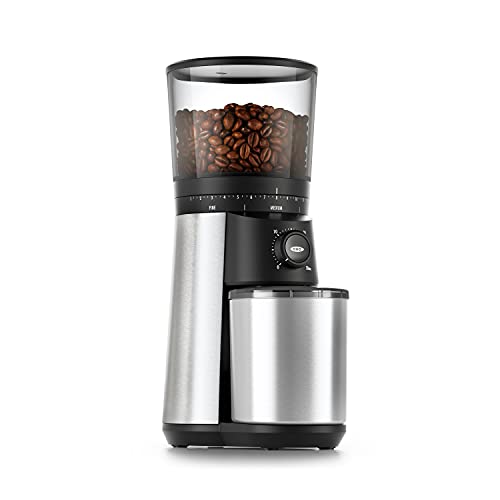
40mm stainless steel conical burrs: Precision grinding system produces uniform coffee grounds to ensure even extraction for rich, balanced flavor in every cup.

Supercharging Performance & Long-Lasting Battery – Equipped with a high-capacity 2000mAh battery that delivers 33% more runtime than the previous generation. The upgraded motor grinds coffee beans 1.8 times faster, ensuring rapid and efficient operation with every use

Slim, powerful grinder with precise settings from fine to coarse, with 15 settings and 29 micro-adjustments
Paper vs. Metal Filter: Flavor Clarity
When you wonder whether a paper or metal filter will give you a cleaner cup, you’re actually asking about flavor clarity. Paper traps most oils and micro‑fines, so the filter aroma stays bright and the brew feels tea‑like. Metal lets more oil and fine particles through, giving a richer, less transparent sip that some call a metal body.
Now, think of a light roast with delicate fruit notes. Paper will hold those nuances apart, while metal will blur them, letting chocolate or spice dominate. Obviously, the trade‑off is brightness versus mouthfeel.
All right, your decision hinges on whether you crave a crisp, defined cup or a fuller, rounder experience. Choose paper for clarity; choose metal for depth. Next, compare how each filter shapes the brew’s body and texture. Larger pores allow more fines and oils to pass, increasing mouthfeel. Using a steam‑wand frother can further enhance the texture of your coffee by adding airy foam. Paper towels can be used as emergency filters but they may introduce unwanted chemicals and affect flavor. A quick rinse with warm water after each brew helps prevent residue buildup.
Body and Texture Differences Between the Two Brewers
How does the brew’s body feel on your palate? You’re probably wondering why the French press feels so heavy while the AeroPress feels lighter. Obviously, the French press lets more coffee oils and fine particles stay in the cup, giving you a melt mouthfeel that coats the tongue. AeroPress paper filters trap most fines, so you get sediment smoothness and a cleaner finish.
All right, what about texture? The French press’s coarse metal mesh lets gritty fines slip through, creating a rustic, almost muddy sensation. AeroPress’s tighter filtration removes those particles, delivering a refined, consistent texture that stays smooth to the last sip.
Takeaway: If you crave a rich, heavy cup, go French press; if you prefer a light, clean sip, choose AeroPress. Next, you might compare acidity and bitterness. The full‑immersion technique of the French press extracts more oils, contributing to its fuller body. The high‑pressure extraction of espresso creates a concentrated shot with a distinct crema. The Chemex’s thick paper filter produces a clean, bright cup with minimal sediment.
Acidity and Bitterness Comparison for AeroPress and French Press
You’re probably wondering why the same beans can taste so different in acidity and bitterness between the two brewers. The AeroPress uses a paper filter and a short 1‑2.5‑minute brew, so it pulls out fewer fine particles and acidic compounds. That gives you a cleaner cup, a lower acidity balance, and a smoother bitterness profile.
All right, the French press immerses grounds for four minutes or more with a metal mesh, letting more oils and fines stay in the drink. The longer steep and higher 93 °C water raise the acidity balance a bit and push the bitterness profile toward a fuller, bolder feel.
Here’s the thing: if you crave low‑acid, gentle bitterness, AeroPress wins. If you love richer texture and don’t mind a touch more bite, the French press fits.
Takeaway: Choose AeroPress for a bright, low‑acid brew; choose French press for body and a stronger roast edge.
Next, think about how grind size and temperature will tweak those flavors for your perfect cup. The Aeropress’s rapid extraction also means less exposure to heat, which further reduces bitterness compared to the longer brew time of a French press. The OXO Rapid Brewer’s automated drip‑style operation can produce a consistently smooth cup with minimal hands‑on effort.
Convenient capsule systems offer a quick, mess‑free brew, but they lack the nuanced control over extraction parameters that manual methods provide.
Speed and Convenience: Brew Time, Cleanup, and Travel Friendliness
If you’re wondering why the AeroPress feels so quick and easy compared to a French press, you’re asking the right question.
How fast can you brew?
You’ll finish a full cycle in under two minutes—about 60 seconds steep, then a 20‑second press until the hiss. In contrast, a French press needs a four‑minute steep and careful decanting.
What about cleanup?
You pop the plunger, discard the puck, give the rubber a quick rinse—rapid cleanup that leaves almost no residue. The French press leaves wet grounds clinging to the mesh and a larger carafe to wash.
Is it travel‑ready?
Its portable friendly design fits in a backpack, and you only need a mug, paper filter, and hot water. No glass carafe, no bulky basket.
Takeaway: The AeroPress wins on speed, easy cleanup, and travel convenience. Next, consider how much coffee you’ll make at once.
A simple hand‑held whisk can also create frothy milk for your latte without a dedicated frother.
Consistent grind size ensures even extraction and a smoother cup.
A nitro infusion system can add a creamy, velvety texture to your coffee, similar to the smoothness achieved with a nitrogen‑charged cold brew.

MINI COFFEE MAKER STORAGE BAG: Small size, light weight and fit design mini storage bag that easy for carrying. This mini bag is just suitable for small coffee maker / food jar/ food container, protect your jar against dents & scratches.

Compact Travel Coffee System – Brew smooth, rich coffee anywhere in under 2 minutes. Includes a small, portable version of our 3-in-1 brewer and a lightweight, microwaveable mug with a silicone lid. Just unpack, brew and repack the coffee press back into the custom mug that doubles as a portable, travel container. Make hot or iced coffee on the go— traveling, camping, backpacking, hiking, and boating.
The Brewer That Started It All – AeroPress Original was the first single cup coffee maker to combine 3 brew methods in one compact, portable device for a faster brew and better extraction giving coffee lovers a smooth, rich cup bursting with coffee bean flavor—without the bitterness or acidity found in other methods.
Capacity Considerations: Single‑Serve vs. Batch Brewing
How many cups can you actually make? You’re probably wondering whether the AeroPress or French press fits your routine.
Can one press serve a single drink?
The AeroPress delivers about 8‑10 oz per brew—roughly one mug. You use 15 g coffee and 240 g water, then dilute if you need a larger cup. Portability considerations favor this size; you slip it into a backpack, and cleanup stays quick. Brew cost implications stay low because you use a single scoop each time.
What if you need several cups at once?
A French press comes in 3‑ to 8‑cup models, letting you fill multiple mugs directly. Batch brewing means you steep a larger amount of coffee once, saving time for a group. The larger pot also spreads the cost of beans across more servings, reducing per‑cup expense.
Which capacity matches your needs?
If you drink alone or travel often, the AeroPress wins. If you host breakfast or office meetings, the French press scales better. Choose the brewer that aligns with how many cups you regularly need. The optimal extraction is achieved with a coarse uniform grind and a 1:15 coffee‑to‑water ratio. A consistent water temperature of 195‑205 °F helps ensure balanced flavor.

1 WITH MORE HEALTHY MATERIAL-- This Magicafé FRENCH PRESS COFFEE MAKER is made of 18/8 food grade premium stainless steel with 12OZ/350ml Capacity. This mini french press coffee maker makes 1 cup of coffee, perfect for you to enjoy fresh coffee.This french press coffee maker is sturdier and rust-free for many years for its premium material.We are sure you will love this french press.

Iconic French press coffee maker that brings out the full flavor and aroma of your brew.

DOUBLE-WALL 18/8 STAINLESS STEEL: Secura stainless steel French Press coffee maker is made from top quality 18/8 stainless steel, both the interior and exterior. It is made to outlast other coffee makers
Taste Profiles: Bright & Nuanced vs. Rich & Heavy
What makes the AeroPress taste bright while the French press feels heavy? You’re probably wondering why the same beans can feel so different. The AeroPress uses paper filters that trap oils and fine particles, so the cup stays light, letting the origin aroma shine with citrus and berry notes. The pressure‑assisted immersion preserves delicate aromatics, giving a crisp texture mouthfeel that feels almost tea‑like.
Now, the French press skips the paper filter, leaving more oils and sediment in the brew. Those suspended solids create a richer, heavier texture mouthfeel, turning chocolate, nut, and earthy tones into a full‑bodied, rustic cup.
All right, if you crave bright, nuanced sips, go AeroPress; if you want a bold, comforting brew, choose French press. The takeaway: filter type and extraction method drive the flavor spectrum. Ready to taste the difference? Try a single‑origin light roast in each and compare.
Choosing the Right Brewer for Your Daily Routine
When you’re juggling a tight morning schedule, the speed of your brew can make or break the day. You’re probably wondering which brewer fits your routine without sacrificing flavor.
Which brew matches your morning timing?
Now, the AeroPress takes about 2‑3 minutes from grind to cup, while the French press needs 3‑5 minutes of steeping. If you sprint out the door, the AeroPress’s quick stir‑wait‑press cycle saves precious minutes.
How does household size affect your choice?
All right, a French press holds 4‑8 cups, perfect for two or more drinkers. The AeroPress brews a single 8‑10‑ounce cup, but you can pull a second batch if needed.
What’s the cleanup reality?
Obviously, the AeroPress ejects a puck and rinses a paper filter in seconds; the French press leaves wet grounds in a mesh, demanding more effort.
Paper filter removes coffee oils, giving the AeroPress a cleaner cup. Takeaway: Pick AeroPress for speed and solo servings; choose French press for larger households and pot‑style coffee. What’s your next step—testing a quick AeroPress brew tomorrow?

High Quality Paper Micro-Filtration – Biodegradable, compostable paper coffee filters made from white, chlorine-free, food-safe paper for a flavor profile free of papery, chemical taste. Ultra thin, tightly woven with micro-sized holes that filter and catch coffee grounds stopping them from passing into your cup. Zero grit.

Complete Travel Coffee System – Brew smooth, rich coffee anywhere in under 2 minutes. Includes our compact and lightweight 3-in-1 coffee maker made of shatterproof Tritan and a 16 oz double-wall, vacuum-insulated 18/8 stainless steel tumbler with magnetic lid and built-in filter holder. Just unpack, brew and repack the portable coffee press back into the custom tumbler that doubles as a portable, travel container. Make hot or iced coffee on the go— traveling, camping, hiking, and road trips.

Hand Crafted Precision Brewing – Our iconic 3-in-1 brewer reimagined. Double-wall borosilicate glass chamber enhances heat retention and showcases your brew, while precisely engineered stainless steel and aluminum components add strength and style for a brew experience as smooth and refined as the taste of our signature brew. Designed to bring café-quality brewing and modern design to your kitchen coffee station, AeroPress Premium combines a sleek, minimalist design with a compact footprint.
Quick Decision: When to Grab an AeroPress or a French Press?
You’re probably wondering which brewer to grab when you have just a few minutes or a whole crew waiting.
When you need speed and travel portability
If you’re on a train, camping, or in a tiny kitchen, the AeroPress wins. Brew time is 1‑3 minutes, and the compact, durable body fits a backpack. You press a single cup, clean up in seconds, and avoid glass breakage.
When you’re serving a group
A French press shines for group serving. Its 12‑34 oz capacity lets you steep 2‑8 cups for 3‑5 minutes, delivering a richer, fuller-bodied brew that satisfies several people at once.
Takeaway
Pick AeroPress for rapid, solo coffee on the go. Choose French press when you need volume and depth for a shared pot.
Which scenario fits your next coffee moment?