
You’re cleaning your De’Longhi espresso machine wrong if you’re waiting until it breaks down to do it. Start by wiping the exterior and emptying the drip tray immediately after brewing—this prevents sticky residue and mold. Remove and rinse the brewing unit under lukewarm water weekly, brushing the mesh filter gently. Descale every 2–5 months depending on water hardness using approved descaler or citric acid. Run fresh water through the entire system afterward, then tackle your steam wand with warm soapy water right after frothing. These habits keep your machine running smoothly and tasting great—but there’s a bigger picture to performance you should understand.
Empty, Wipe, and Rinse After Each Use
When your De’Longhi espresso machine starts smelling stale or you notice buildup around the spouts, you’re probably wondering if you’re cleaning it often enough—and the answer is that most people aren’t doing the daily basics consistently.
Your after-use routine determines everything. Right after brewing, wipe the exterior with a damp cloth to catch splashes before they harden. This splash control prevents sticky residue from accumulating on your control panel and water tank area.
Empty your daily tray and grounds container immediately—overflow creates odor and mold. Remove both parts before wiping to avoid pushing debris back inside.
Now rinse those removable parts with warm water and dry them completely. This moisture removal stops stagnant smells dead. Perform a deep cleaning cycle every 2-3 months to dissolve mineral buildup and maintain optimal machine performance. Regular descaling helps preserve optimal pressure and extends the machine’s lifespan. Your quick clean and quick dry habit makes deep cleaning easier later and keeps your machine performing beautifully between maintenance cycles. Following a weekly steam wand cleaning routine can further prevent residue buildup. Consistent descaling also protects the heater element from scale corrosion, ensuring consistent temperature stability.
Remove and Rinse the De’Longhi Brewing Unit
Before you can actually clean the brewing unit—that critical component where water meets grounds—you’ve got to safely extract it, and that means powering down first. Switch off your machine, let the shutdown sequence finish completely, then unplug it. Open the service door once everything stops.
Now locate the brew unit placement behind that door. You’ll spot two red side buttons on each side. Squeeze them inward simultaneously to release the infuser, then pull straight toward you.
Here’s the thing: rinse under lukewarm water only—detergents wreck these machines. Use water temperature guidelines around 40°C (104°F). Scrub the mesh filter and channels, brushing away trapped grounds gently. Skip the dishwasher entirely.
Your brewing unit’s now prepped for deeper cleaning next. Regularly cleaning the brew group helps maintain optimal pressure and flavor extraction. Consistent descaling prevents mineral buildup that can impair performance. Following proper safety protocols ensures the machine remains undamaged during maintenance.
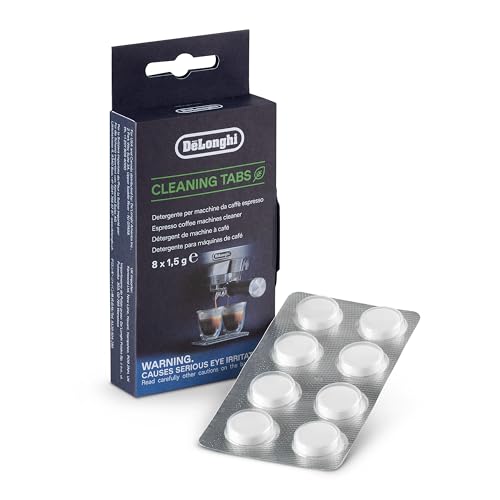
Detergent to clean the brewing unit of manual espresso coffee machines.
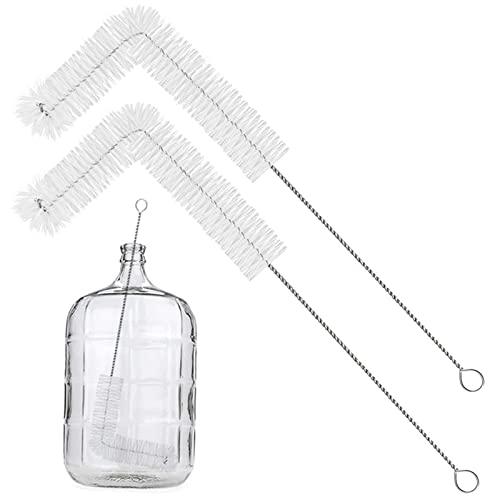
Carboy brush is made of nylon bristle and steel wires, 5 gallon carboy cleaning brush with non-scratching nylon brush-head can clean your carboy thoroughly, 28 inch length, carboy brush for cleaning carboys and corny kegs easy to clean the built-up sediment inside the bottom of narrow-mouthed glass carboys
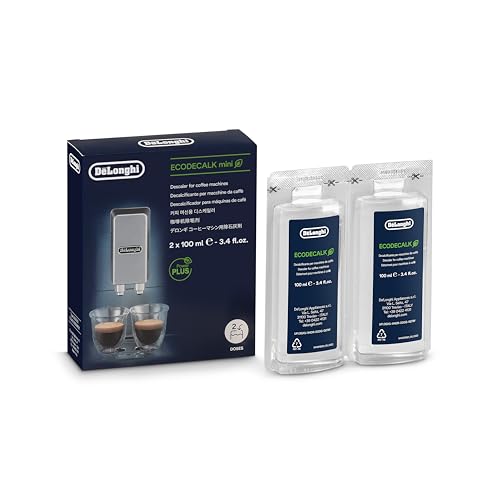
Eco-friendly universal descaling solution that's gentle on your coffee maker
How to Descale Your De’Longhi Machine
Now that you’ve got your brewing unit sparkling clean, you’re ready to tackle what really gunks up these machines—mineral buildup inside the water lines.
What Safety Precautions Matter Most?
Turn off and unplug your machine first. Let it cool for about 10 minutes before you proceed. Empty the water tank, drip tray, and grounds container completely. Remove any water filter from the tank—you don’t want descaler damaging it.
Getting Your Descaler Dosage Right
De’Longhi recommends its own descaler, mixed at 200 ml topped with cold water to the MAX line. Some alternatives work too: citric acid (1-2 tablespoons per liter) or white vinegar (equal parts with water).
Ready to run the solution through? You’ll want a large container under the group head before starting.
Regular descaling helps maintain optimal coffee taste and prolongs machine longevity.Cold brew offers a smooth, low‑acid flavor that can be a complementary alternative when experimenting with coffee strength after descaling.
Make sure to rinse the water reservoir thoroughly after descaling to avoid any residual scale residue affecting future brews.

All-natural: Our descaling solution is made with 100% lactic acid, a natural ingredient that ensures safety for both you and your machine.

FROM DE'LONGHI. The world-leader in espresso machines.

[FROM DE'LONGHI. The No.1 world-leader in espresso machines. , Significantly reduces the likelihood of premature breakdown from hard water scale build-up, increases the energy efficiency, and improves the coffee flavor , Made with 100% lactic acid , Suitable for all espresso/coffee machines. , Will keep your machine running smoothly so you can always enjoy your favorite beverages, Also available in a smaller pack - 2 x 100ml
Flush the System With Fresh Water After Descaling
You’ve just pushed descaling solution through your entire machine—but you’re not done yet. Now you’ll flush everything with fresh water to eliminate the chemical residue hiding in your tubes and boiler.
Empty your reservoir, refill it with clean water, and run a complete cycle rinse through the brew head into a large container. You’ll need at least one full tank, though two tanks guarantee better results. Switch to the steam path briefly if your machine has one. During the rinse phase, activate steam three times to ensure all descaler is purged from the steam wand and internal passages.
Watch your water taste and perform a residue check—it should run clear and smell neutral. No vinegar or metallic notes. Repeat with fresh water if any chemical taste lingers.
Regular descaling prevents mineral buildup that can cause clogs and off‑flavors.
Descaling should be performed every 2–3 months to maintain optimal performance. Your machine’s ready when the discharge water appears clean and odorless. Run one final short burst to confirm nothing remains, then brew your first coffee with confidence.
A proper rinse also protects the heat exchanger from premature wear.
Clean and Maintain the Steam Wand
Why does your steam wand deserve attention right after you finish frothing milk? Milk hardens fast on metal surfaces, creating stubborn buildup that damages hygiene and blocks steam flow.
Immediate Post-Use Cleaning
Purge steam briefly to clear milk from the nozzle. Wipe the exterior with a damp cloth while it’s still warm—this matters because dried residue becomes nearly impossible to remove later. Turn the steam dial to deliver a brief burst of steam lasting only a few seconds to expel residual milk from internal circuits. A quick shake can also help dislodge any milk trapped in the wand’s inner chambers.
Daily Maintenance Routine
Detach removable wand parts and wash them with lukewarm water and mild detergent. Use a small brush to clear holes and connection points where milk accumulates. Rinse thoroughly before reassembling.
Weekly Deep Clean
Soak parts overnight in a solution: 10 ml EcoMultiClean mixed with 90 ml warm water. This dissolves stubborn milk proteins and restores consistent frothing performance.
A proper frothing technique relies on air injection to create a creamy, velvety foam. What’s your steam wand model—removable or fixed?
Choosing the right frother or steamer can affect how often you need to clean your wand, as micro‑foam tends to leave finer residue than light foam.
Use Cleaning Tablets for Deeper Maintenance
While wiping down your steam wand keeps milk from hardening on the outside, what about all that coffee oil and ground buildup hiding inside your machine’s brew path?
That’s where cleaning tablets come in. You’ll run these during your machine’s dedicated cleaning cycle—not during normal brewing. Most De’Longhi models have you drop the tablet into the grounds chute, then hit the cleaning button.
The cycle duration typically runs 10-15 minutes. You’ll notice the tablet scent as hot water pushes through, flushing out internal residue. Once finished, run several rinse cycles until water runs completely clear. Regular cleaning prevents mineral buildup that can clog the thin internal lines and cause machine failure.
Remove your infuser or portafilter and rinse everything thoroughly under running water. Reassemble only when parts are dry enough to reinsert.
Do this monthly for optimal brew quality and machine longevity. Proper descaling also helps maintain consistent brew flavor by removing limescale that can alter water chemistry. Nespresso’s pod system ensures each brew starts with fresh, sealed flavor. The use of high‑pressure pumps and robust boilers in De’Longhi machines underscores the need for thorough cleaning to protect the precision engineering that delivers bar‑quality espresso.

Best Values Cleaning Tabs: 120 Count of Espresso Maker Tablets, Compare to smaller pack, sachet, packets, liquid solution, powder, and other flush products
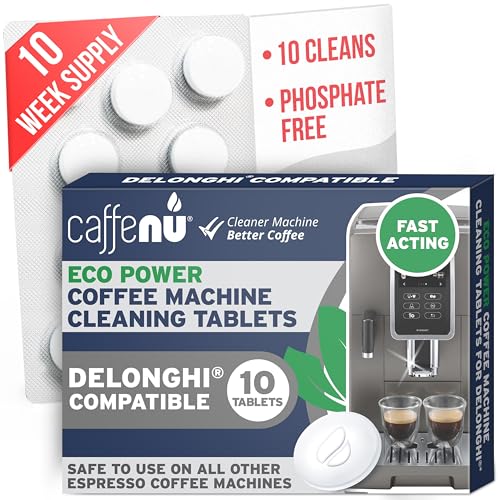
COMPATIBILITY: Specifically designed for Delonghi coffee machines to ensure optimal cleaning performance

Listing is for 1 Packet which contains 8 tablets Suitable for use with all Breville Espresso machines
How Often Should You Clean and Descale?
Cleaning and descaling aren’t the same thing, and that’s probably the source of your confusion. You rinse daily to clear oils and residue, but descaling addresses mineral buildup inside your machine—something you can’t see happening.
Your water hardness determines everything here. Soft or filtered water? You’re looking at descaling every 4–5 months. Hard water cuts that down to 2–3 months, sometimes sooner. If you’re on a water filter schedule, stick with it—filtered water dramatically extends your descale intervals.
Most De’Longhi machines count your drinks and trigger alerts automatically. Don’t ignore them. Heavy daily use or hard water pushes alerts earlier because scale accumulates faster. Follow what your machine tells you rather than guessing. Regular descaling with a descaler solution dissolves and removes mineral deposits before they cause clogs or machine failure.
Your next step: Check your water hardness and adjust your descale expectations accordingly.
Regularly descaling prevents mineral buildup that can reduce heating efficiency and affect flavor.
Fix Weak Flow, Clogs, and Descaling Problems
Most weak flow problems come down to three culprits: air trapped in your lines, mineral buildup blocking passages, or a clog you can actually see and fix yourself.
An air lock happens when you’ve got bubbles stuck in your water circuit. Run your pump repeatedly through the steam wand—it offers the least resistance and clears trapped air fastest. Alternate between brew and steam paths to push stubborn pockets out.
For buildup detection, descale using your De’Longhi’s approved solution. Run it through the entire system, then flush with fresh water multiple times. Limescale restricts valves and boiler passages silently. If descaling doesn’t resolve the issue, check your water tank placement to ensure it is fully seated in the machine.
Check your portafilter, shower screen, and basket holes for visible clogs. Clean rubber gaskets that flatten over time and trap debris.
Still stuck? Your pump or internal valves likely need professional inspection.
Regular descaling prevents mineral buildup that can cause long‑term performance loss.

This descaler ensures perfect Coffee every time and increases the life of the machine.

Powerful Descaling Solution: The liquid coffee machine descaler and cleaner compatible with any DeLonghi machine is formulated to deeply penetrate oil and limescale to keep your machine running smoothly and produce the delicious coffee you love.

EXCEPTIONAL RESULTS: Introducing Tillbrook Coffee Machine Descaler specifically formulated for Breville—the best choice for removing hard water buildup, oils, and residue. It’s essential to clean and descale Breville Espresso Machines every 3-4 months to ensure proper functioning of your machine, to enhance the taste of coffee, and to extend the life of the machine.
When to Call a Technician or Replace Your Machine
You’ve cleaned, descaled, and tried every fix from the previous section—but your De’Longhi still won’t cooperate. Sometimes the problem runs deeper than your toolkit can reach, and knowing when to escalate saves you time and money.
When Internal Failures Need Professional Help
If your machine won’t power on despite checking the outlet and cord, or heating refuses to stabilize after descaling, you’re likely facing internal component failure. Water leaking from seams, persistent pump noise, or repeated error codes signal problems requiring technician diagnosis. These issues often involve sealed components you shouldn’t attempt yourself.
The Repair-Versus-Replace Math
Here’s the thing: diagnostic service costs around $89, and repairs on older machines frequently exceed replacement value. Check your warranty status first. Out-of-warranty service combined with discontinued parts usually tips the scales toward buying new.

Precision Compatibility: These carbon filter replacements are compatible with Delonghi machines including COM530M, COM532M, BCO430, BCO320/320T/330/330T/410/420, DC412TTC/512TTC/514T, DCF6212TTC, ICM60/65/80/100, CMT560, DCV2212T and more, Size: 1*1.85*0.79 inch

1.packed included 1pc Net size: 0.98in H x 2in W

Product List: You will receive three pieces of coffee water filters, each is measured to be approximately 4.7x2x2.6cm/1.85x0.79x1in, sufficient quantity to meet your needs.