
Neither’s objectively “best”—you’re choosing between two different flavor goals. Chemex gives you bright, clean coffee with delicate origin notes through its thick filter and gravity-fed pour; it takes five to six minutes of active work. French press delivers rich, full-bodied coffee with oils intact in just four minutes of passive steeping. Pick Chemex for light roasts and nuance. Pick French press for bold, earthy profiles and convenience. Your choice depends on what you actually want in your cup.
Brewing Method Creates Flavor Differences
You’re probably wondering why the same coffee beans produce totally different cups in a Chemex versus a French press.
The answer comes down to extraction—how water pulls soluble compounds from your grind.
With a Chemex, you’re pouring water continuously through grounds, limiting contact time to around 3-5 minutes. This gravity-fed approach moves water through quickly, controlling what dissolves into your cup.
A French press does the opposite. You’re steeping grounds in hot water for about 4 minutes, keeping everything in prolonged contact. That extended immersion extracts more compounds overall.
Here’s the thing: shorter contact means lighter extraction. Longer contact means fuller extraction. Your grind size works with your brewing method to dial in this balance.
That’s why the same beans taste noticeably different between these two methods—the extraction timeline fundamentally changes what ends up in your cup. The thick bonded filter of the Chemex also contributes to a cleaner, lighter brew. Properly folded filter ensures an even flow and reduces channeling. The pressure‑assisted immersion of an Aeropress can further illustrate how brew time influences flavor.
Chemex: Clean, Bright, and Nuanced
Since the Chemex uses thick paper filters, you’re fundamentally removing most of the oils and fine particles that’d otherwise cloud your cup—and that’s what gives it that signature clarity.
Why You Taste Everything More Clearly
The filter paper traps sediment that immersion methods let slip through. You notice delicate origin notes—florals, citrus, stone fruit—because nothing’s competing for your attention. Lower body means acidity and aromatics jump out instead of hiding behind heaviness. The thick chemically bonded paper filters are part of the permanent collection at the Museum of Modern Art, recognized worldwide for their ability to produce an exceptionally clean cup.
The Bloom Timing That Matters
Your bloom timing, roughly 30 to 45 seconds, releases trapped gases and guarantees even saturation across the bed. This small step prevents uneven extraction and keeps bitterness minimal.
A proper brew ratio ensures consistent strength and flavor balance. You’re left with a crisp, refined cup that tastes elegant rather than heavy. That’s the Chemex advantage. Ready to dial in your grind? The high‑pressure extraction of espresso contrasts sharply, delivering a concentrated shot with a crema top and a higher caffeine concentration per ounce.

PURE COFFEE FLAVOR: The signature cone shape delivers uniform saturation and extraction for a clean, balanced, sediment-free pour over cup every single time

PURE: The cone shape of all CHEMEX filters ensures uniform extraction for pure coffee flavor in every brew

Step 1: Fold the CHEMEX filter in half. Then fold in half again, bringing the two corners together. Place your finger between the 3rd and 4th layer and open into a funnel.
French Press: Rich, Full-Bodied, and Bold
Where the Chemex strips away oils for clarity, the French press embraces them—and that’s exactly what makes it so satisfying.
You’re getting a genuinely different cup here. The immersion method extracts deeper, more robust flavors while natural oils and fine particles stay in your brew, creating that signature texture richness and aroma depth you can’t replicate with paper filters.
Now, what does this actually taste like? Bold, earthy, and often chocolatey or fruity depending on your beans. The mouthfeel is creamy and luscious—heavier on your palate than filtered coffee. You’ll notice the finish lingers longer too.
Here’s the thing: medium to dark roasts shine brightest. Single origins from Brazil or Sumatra work especially well since they’re naturally lower-acid. Coarse grounds, four-minute steep times, and fresh whole beans ground just before brewing preserve everything that makes French press special.
A proper coffee-to-water ratio of 15 g water per 1 g coffee helps maintain balance and avoid over-extraction. Using filtered water ensures the temperature stays within the optimal 195–205 °F range for consistent extraction. Adding a scale for consistency can further improve your brew.

48 Grind Settings and Large Capacity : The Aromaster electric coffee grinder offers 48 different settings, from fine espresso to coarse French press. The timer allows you to adjust the amount of coffee powder, and the large chamber can grind up to 3.9 ounces, perfect for families and offices

EASILY SELECT GRIND SIZE AND CUPS OF BREWED COFFEE: Whether you need a fine grind size for espresso or a coarse grind for French press, we've got you covered. Just turn the grinder's adjustable selection ring. Grinds enough to brew 4-14 cups.
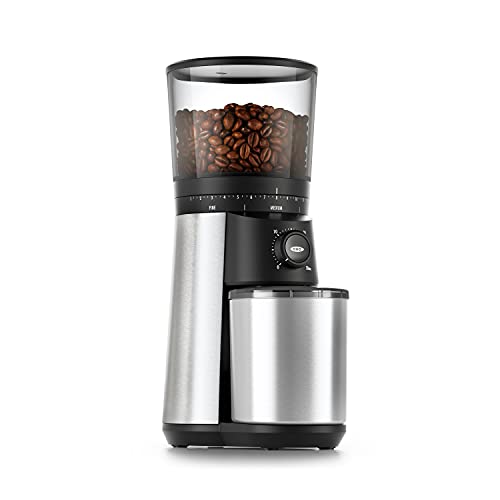
40mm stainless steel conical burrs: Precision grinding system produces uniform coffee grounds to ensure even extraction for rich, balanced flavor in every cup.
Chemex vs French Press: Brew Time, Setup, and Convenience
If you’re wondering whether one brewer actually takes longer than the other, the answer’s more nuanced than it seems.
Which One’s Faster?
Chemex needs about 5 to 6 minutes total brew time, while French press typically runs 3 to 5 minutes. The difference? Chemex demands active pouring and careful timing throughout. You’re managing water flow, watching saturation, and controlling extraction the whole time.
French press is genuinely more convenient for convenience’s sake. You skip filter prep entirely, add grounds directly, pour water once, then walk away. The steeping happens passively while you do something else.
The Real Trade-off
Here’s the thing: Chemex’s extra minutes involve hands-on attention. French press’s shorter timeline means less active work. For routine mornings, fewer steps wins. For intentional brewing sessions, you’ll appreciate Chemex’s control despite the longer commitment. The extraction method of each brew influences both flavor and caffeine content. Regular descaling of your equipment prevents mineral buildup that can alter extraction efficiency.

COMPLETE POUR OVER COFFEE SET: Includes the 8-cup Chemex Classic Series glass coffee maker plus a 100 ct box of square bonded filters - everything you need to start brewing clean pour over coffee
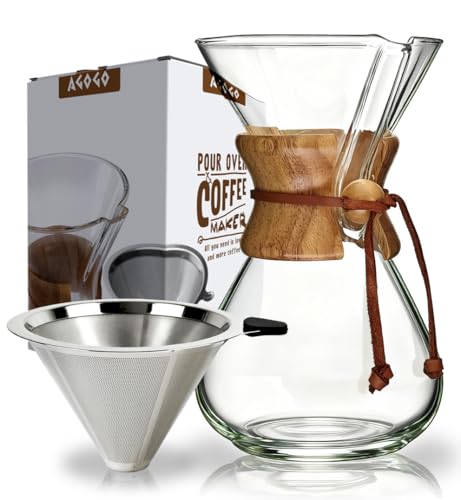
① 🧹 [5-Second Cleaning Kit] Complete home barista set includes a wood-neck glass carafe, reusable filter or paper filters, cleaning brush, and towel. Enjoy eco-friendly, hassle-free brewing anywhere.

CHEMEX - simple, easy to use with timeless, elegant design
Roast and Bean Types That Shine in Each Method
Not all beans shine the same way in Chemex versus French press—and that’s because these brewers extract flavor completely differently.
What roast intensity works best for you?
Light-to-medium roasts excel in Chemex. The paper filter highlights bright, fruity, and floral notes while maintaining flavor clarity. You’ll notice citrus and delicate aromatics stay distinct. French press, though, prefers medium-to-dark roasts. Immersion brewing emphasizes body and depth, so chocolate, caramel, and nutty profiles dominate.
How bean origins shape your cup
Single-origin coffees with bright acidity thrive in Chemex—especially washed varieties from bean origins like Ethiopia or Kenya. Your aroma profile gets maximum clarity here. French press favors full-bodied Central and South American coffees. Blends designed for richness perform strongest because coarse grounds capture that robust texture.
Pick your method based on what matters: clarity or boldness? Pressure‑driven extraction highlights the Moka Pot’s ability to produce a strong, espresso‑like cup. The coarse grind ensures optimal extraction without over‑extraction. The mesh filter in a French press allows natural oils to remain, enhancing mouthfeel.

Light roast with a crisp and clean flavor

Light roast with a crisp and clean flavor

Light roast coffee with delicate flavor and citrus notes
Cost, Durability, and Preference: Which Method Wins?
A Chemex runs you $45–$60 upfront, but those bonded paper filters keep coming. You’re looking at $8 per 100 filters—recurring expense. French press? You’re spending $20–$40 to start, with no ongoing filter costs. Over a year, the French press wins on budget sustainability by a landslide.
Will It Survive Your Life?
Here’s the thing: Chemex is beautiful glass that demands careful handling. French presses come in metal, plastic, or glass—way more forgiving for apartments or travel. Metal or plastic versions actually last longer.
Which Gives You Flavor Consistency?
Chemex delivers clean, bright cups. French press gives rich, full-bodied flavor. Pick based on what you actually want to drink. Regularly cleaning the French press with a soft brush prevents residue buildup and keeps flavor pure. Using a coarse grind helps avoid over‑extraction and ensures a smoother brew.

Superior Filtration: A solid filtration system in a coffee maker ensures a refined taste and robust flavor mouthfeel. Our 4-filter sieve system has an improved piston plate and 80 mesh filter that extracts the earthy, rich taste of residue-free coffee. This 1000 ml/34 Oz beaker makes 4 cups of creamier & tastier coffee.

【EASY TO USE】Brew a cup of coffee in several minutes. The 51oz/1500ml french press makes the perfect cup of coffee. The french press coffee is the easiest to concentrate on the condition of the beans among the many devices. You can see the amount of foam (crema) after the coffee touches the water, and how the coffee floats on the water and slowly sinks

No Plastic Touching Food: Made with 304 stainless steel and food-grade silicone, our French press keeps all brewing surfaces plastic-free— no odor and no plastic particle into your coffee. Safe and worry-free