
You’re probably wondering why your Moka pot sometimes spits out weak or bitter coffee, so let’s sort it out. Fill the bottom chamber just to the safety‑valve opening—about 80 °C water works best—so steam can build pressure without blocking the vent. Grind beans to a medium‑fine texture, roughly 500 µm, and level them in the filter basket without tamping; use about 10 g per 100 ml water. Assemble the pot, set it on low‑medium heat, and watch the stream; lift the pot when the flow lightens and sputters, usually after 3–5 minutes. Give the top chamber a quick swirl, pour into warm cups, and adjust strength by tweaking water level or grind size. This routine gives you consistent pressure, proper extraction, and a balanced cup—keep going to uncover how minor tweaks can perfect your brew.
Fill Bottom Chamber to Safety Valve for Moka Pot Coffee
Why should you stop at the safety‑valve line?
You’re wondering why the valve matters, and the answer is simple: it protects you from pressure spikes. Fill the bottom chamber with water only up to the valve opening—no higher. If you pour past it, the valve can’t vent, and you risk a malfunction.
Here’s the thing: water temperature matters, too. Warm water (around 80 °C) speeds brewing, but you still stop at the valve. Too much water reduces steam space, so the pressure never builds correctly.
All right, keep the valve clean. Residue blocks its release, so wipe it gently after each brew. A clean valve and proper level guarantee safe, consistent coffee.
Takeaway: Fill to the valve, use warm water, and clean the valve regularly. Next, ask yourself how finely you’ll grind the beans.
The Moka pot’s pressure build‑up is essential for extracting rich flavor.
The gasket seal ensures that steam is directed through the coffee grounds rather than escaping around the sides.
A typical brew takes 4–6 minutes from start‑up to the moment the coffee begins to flow.

Prevent coffee Splashing out when using a moka pot to brew coffee

iDeal Replacement For Moka Pot Relief Valve, It Is Designed To Improve And Enhance The Performance Of Your Espresso Machine, Ensuring Safe Pressure Regulation.
Grind Coffee to a Medium‑Fine Texture for Moka Pot
How do you hit that perfect medium‑fine texture for a moka pot? You’re probably wondering why your brew sometimes tastes weak or bitter. The answer lies in grind consistency and burr selection, not magic.
Now, start with a burr grinder—its uniform particles keep extraction steady. Set it near the 500‑micron mark, then tweak 0.5‑inch notches until the grounds feel like coarse salt, not powder. A visual check helps: they should be dry, even, and gritty between your fingers. Consistent particle size ensures even water flow and optimal flavor extraction.
All right, remember that a finer grind slows flow and can scorch, while a coarser one makes coffee watery. Aim for the sweet spot, note the setting, and you’ll get a balanced, full‑bodied cup every time. Takeaway: fine‑tune your burr grinder, then move on to loading the basket. Using a flat burr can improve particle uniformity for a more consistent extraction. Conical burrs generate less heat, which helps preserve delicate flavor notes.
Load the Filter Basket, Level Grounds, and Assemble the Pot
You’re probably wondering why your brew sometimes turns out weak or bitter after you’ve nailed the grind. The answer often lies in how you load the filter basket and seal the pot.
How much coffee should I put in?
Fill the basket to its maximum capacity—about 10 g per 100 ml of water. For a 3‑cup pot, aim for 15 g; for a 6‑cup pot, about 30 g. Level the grounds with a gentle shake; don’t tamp. A flat surface lets water flow evenly and avoids over‑extraction. Consistent water‑to‑coffee ratio helps maintain optimal brew temperature. Fine‑but‑not‑powdery grind ensures proper extraction without clogging. Proper pressure buildup is essential for a rich crema.
How do I assemble without leaks?
Insert the filled basket into the bottom chamber, then screw the top on tightly. Make sure the gasket is clean and the threads line up; a proper pressure seal prevents sputtering and loss of pressure. Regular gasket inspection can catch wear before it causes leaks.
Takeaway:
Full, level grounds and a tight pressure seal give consistent extraction. Next, you’ll set the heat and watch the flow.


Brew 3‑5 Minutes on Low‑Medium Heat, Then Stop When Flow Lightens
When you’re unsure why the coffee sometimes ends up weak or bitter, the timing and heat are the missing pieces.
How long should I keep the pot on the burner?
Set the stove to low‑medium heat and watch the clock. A typical brew lasts three to five minutes, but you’ll know it’s right when the first steady stream appears. Heat timing matters: too hot and you scorch the grounds; too cool and the brew drags. The nitrogen infusion technique used in nitro cold brew can inspire a smoother extraction when applied to the Moka pot’s pressure.
When do I stop the extraction?
Monitor the flow. As the stream turns pale and sputters, the pressure drops and steam takes over. That lightening signal means most liquid has passed through, so lift the pot immediately.
Takeaway
Keep heat low‑medium, watch for a steady flow, and pull the pot the moment the stream lightens. This prevents over‑extraction and yields a balanced cup.
Ready for the next step? Let’s talk stirring, serving, and tweaking strength.
The moka pot’s higher pressure creates a richer, espresso‑like brew compared to the percolator’s lower pressure extraction.
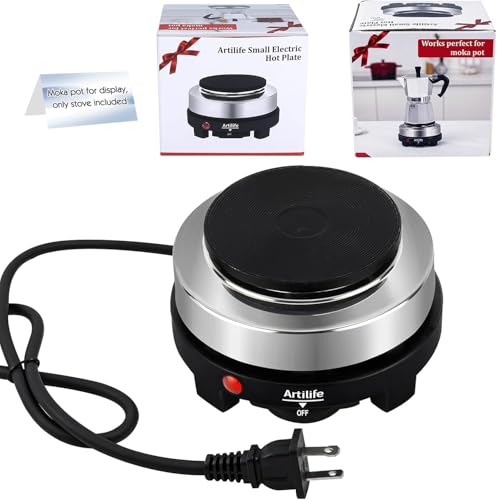
【USE MATTERS】1.Smell of plastic when you first use it,the very first time you turn it on,do it outside with a pot of water,and run at MAX heat level 5 for 15 mins outdoors to get rid of the smell. Plus if you let it run without water,the stainless steel part will be brown easily. 2 The burner transfers heat to the pot by heating itself,do not touch the stove body during use.3. When the electric stove is not in use,be sure to turn the switch to the "off" position and unplug the plug.
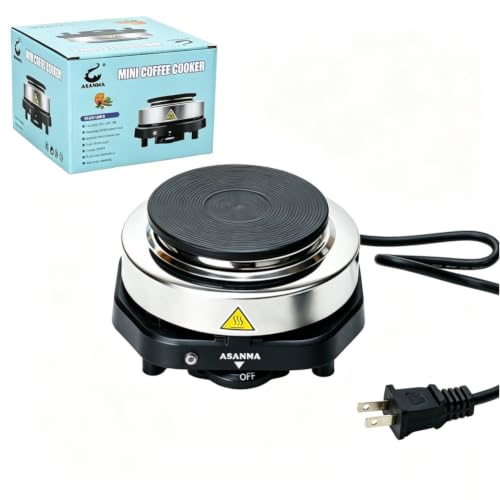
【Read Before First Use】When a new electric stove is produced, a layer of anti-rust protection film is added. This film will evaporate during the first use, thus causing smoke and unpleasant odors. For the first use, place it in a well-ventilated area and let it burn for 10-20 minutes to evaporate the protection film.

Portable Induction Cooktop for Compact Spaces — This 700W compact burner is designed for RVs, camping, travel, dorms, offices, apartments, and small kitchens. Its mini size makes it practical for coffee, tea, soup, light meals, and small gatherings. Please note: moka pot is not included, and this unit is intended for small portions only.
Stir, Serve, and Adjust Strength of Your Moka Pot Coffee
Why does my moka pot coffee taste uneven? You probably notice a strong first sip and a weaker last one. The answer lies in a simple stirring technique: once the brew finishes filling the top chamber, give it a gentle swirl before you pour. This blends the denser first flow with the lighter later stream, smoothing out flavor spikes.
Now, serving timing matters. Remove the pot from heat as soon as the flow lightens and pour immediately into pre‑warmed cups. Delaying lets residual heat over‑extract, turning the coffee bitter or burnt. If you want a stronger cup, use less water in the lower chamber or a finer grind, but keep the fill just below the safety valve for balance. Conversely, dilute a bold brew with hot water for a milder sip.
All right, remember: a quick stir, fast pour, and proper water ratio give you consistent strength every time. Your next move? Try adjusting the water level and note the taste difference. Use filtered water to avoid lime scale and preserve flavor.
A balanced brew often follows a 1 gram‑to‑15 grams coffee‑to‑water ratio. The French press can mimic espresso‑like strength, but it lacks the 9 bar pressure needed for true espresso.