
You’re not imagining it—espresso genuinely makes you poop, and it’s not just caffeine’s fault. Within 4–30 minutes of that shot, your colon contracts hard thanks to the gastrocolic reflex, triggered by rapid stomach distension. Caffeine releases gastrin and cholecystokinin, hormones that rev up intestinal motility. But here’s the thing: chlorogenic acids and polyphenols in espresso do the heavy lifting too, even in decaf. About 30% of coffee drinkers experience a strong response. Timing, genetics, and what you add all change how fast you feel the urge. The specifics behind why some people sprint to the bathroom while others feel nothing? That’s where individual biology and extraction methods completely shift the equation.
Yes, Espresso Makes Most People Poop: Here’s Why
When you drink espresso and suddenly feel the urge to go, you’re not imagining it — your body’s actually responding to real physiological triggers. Here’s the thing: espresso activates your gastrocolic reflex, which increases colon contractions within minutes. Your gut microbiome and stomach acid both shift when you consume coffee, creating a cascade of digestive activity.
Now, the science gets interesting. Espresso stimulates hormones like gastrin and cholecystokinin — compounds that drive intestinal motility. Research shows caffeinated coffee activates your colon nearly as powerfully as eating an actual meal. That’s not coincidence; it’s measurable physiology. About 30% of coffee drinkers experience this effect strongly, while others barely notice anything. The response depends on your individual sensitivity and gut composition. If you’re constipated, espresso becomes especially helpful for moving things along. Regular maintenance, such as descaling the machine, ensures consistent pressure and temperature, which can influence the strength of this response. The high‑pressure pump in a Nespresso machine delivers water at 19‑bar pressure, optimizing extraction and potentially intensifying the gastrocolic reflex. Understanding the role of the boiler temperature can also help you manage how strong this effect becomes.
How Caffeine in Espresso Stimulates Your Colon
Since caffeine hits your colon like a chemical messenger, let’s break down exactly how that works.
When you drink espresso, caffeine doesn’t just wake up your brain—it activates your gut motility too. Your colon’s smooth muscles contract more forcefully, pushing stool along faster. The distal colon responds especially strongly to this stimulation.
Here’s the thing: caffeine triggers the release of gastrin and cholecystokinin, hormones that naturally promote colon contractions. This dual mechanism explains why caffeinated coffee beats decaf at sparking bowel activity.
Your colon dose matters tremendously. Studies show 29% of people feel the urge within 20 minutes, though some respond in as little as four minutes. The concentrated caffeine in espresso produces more noticeable effects than weaker coffee drinks.
Individual sensitivity varies wildly based on your caffeine tolerance and habitual intake. The temperature control of steamers can also affect the foam texture in milk‑based drinks.
A proper coffee-to-water ratio ensures consistent caffeine extraction for predictable colon stimulation.
consistent grind size is crucial for extracting the right amount of caffeine efficiently.

MANUAL HAND-TEXTURED MICROFOAM: The powerful steam wand on this cappuccino maker and latte machine is designed to quickly turn milk into smooth, flavorful microfoam for creating latte art at home
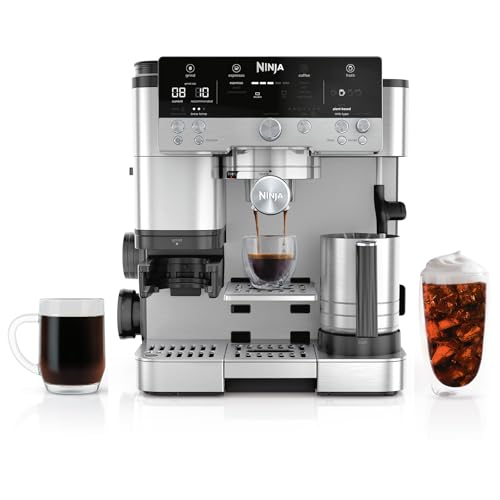
BE YOUR OWN BARISTA: Café-quality espresso shouldn't require a PhD. The Ninja Luxe Cafe Premier is a 3-in-1 machine designed to take the guesswork out of every latte, cappuccino, cold brew, and cup of coffee. Perfect for beginning espresso enthusiasts and anyone looking for a great, dialed-in cup of coffee with practically zero effort.

4 PRESETS, ENDLESS COMBINATIONS: Espresso, coffee, latte or simply hot water, take your pick. Latte lovers, top your coffee with silky smooth milk using our proprietary milk system.
Why Espresso Triggers Your Gastrocolic Reflex
Your body’s got an automatic reflex that kicks in the moment anything hits your stomach—and espresso’s particularly good at triggering it. That’s your gastrocolic reflex, and it’s doing exactly what evolution designed it to do: make room for incoming material by pushing existing stool forward.
Now, here’s the thing: espresso activates this reflex faster than most foods or drinks because you consume it quickly. That rapid gulp creates immediate stomach distension, which signals your colon to contract. Your morning timing matters here—your gastrocolic reflex naturally peaks in the morning, stacking with circadian bowel activity.
The concentrated nature of espresso means you’re delivering a potent stimulus in seconds, not minutes. Even small volumes trigger the reflex. Some research suggests coffee modulates your microbiome modulation too, adding another layer to why you feel that urge so quickly after your first sip. A single shot typically contains 63–75 mg of caffeine, which can amplify the reflex.
Other Coffee Compounds That Make You Go
Coffee packs way more than just caffeine into your cup—about 1,000 different substances are swimming around in there, and many of them mess with your digestion. You’re probably wondering what else besides caffeine is actually doing the work. Well, chlorogenic acids and polyphenols boost your gut activity directly. These compounds trigger your body to release gastrin and cholecystokinin, two hormones that amp up intestinal contractions.
Here’s the thing: decaf coffee still stimulates your bowel because these non-caffeine compounds carry real digestive power. Your microbiome modulation happens through polyphenol activity. These plant compounds feed beneficial gut flora, enhancing overall motility. The phen flora interaction accelerates movement through your colon. Using a bottomless portafilter lets you see the extraction channel, which can affect the concentration of these digestive compounds. A proper brew ratio ensures consistent extraction of these active compounds. The higher pressure used in espresso extraction can increase the release of chlorogenic acids compared to a moka pot.
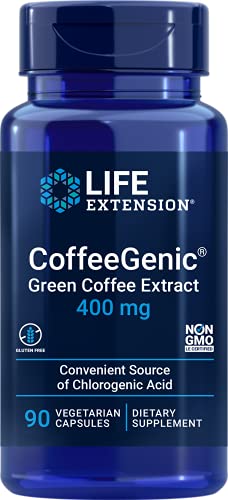
Maintain a healthy metabolism – Chlorogenic acid, a polyphenol found in green coffee beans, helps promote a healthy metabolism, especially after eating.
![NatureWise Green Coffee Bean Extract 800mg - with 50% Chlorogenic Acids - Support for Weight Goals, Energy, and Antioxidants - Vegan, Non-GMO - 60 Capsules[1-Month Supply]](https://m.media-amazon.com/images/I/41245VZeD+L._SL500_.jpg)
CLEAN GREEN COFFEE BEAN EXTRACT: We sourced our green coffee bean extract from non-GMO green coffee beans to provide antioxidant support, energy, and support for your weight goals.*

Natural Energy Pills for Adults - Unlike standard caffeine pills our potent energy supplements are packed with invigorating antioxidants that keep you performing your best in both mind and body
Why Espresso Works Faster Than a Regular Cup
Espresso’s brewing method creates a fundamentally different delivery system than drip coffee. You consume roughly 1 ounce in just 2–3 sips, while regular coffee takes 15+ minutes to finish. That speed matters because you’re flooding your system with caffeine and other compounds quickly.
Now, espresso extraction happens under pressure in 25–30 seconds, creating a 1:2 coffee-to-water ratio. Drip coffee uses 1:15 to 1:18 ratios stretched over minutes. You’re getting a concentrated punch instead of a gradual dose.
Here’s the thing: this affects gut motility differently. Your digestive system responds faster to a sudden caffeine surge than a slow climb. The “faster bathroom effect” you’re noticing isn’t really about espresso being stronger—it’s about how quickly you’re delivering the stimulus. The grind size used for espresso is much finer, which contributes to its rapid extraction. Proper tamping pressure ensures an even puck, preventing channeling that could alter extraction speed.
A consistent water temperature is also crucial for achieving the right extraction speed.
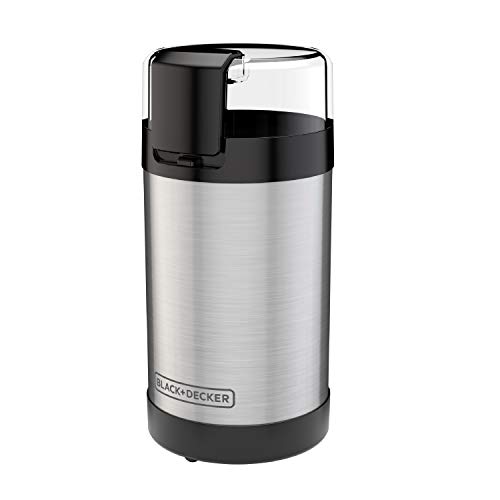
STAINLESS STEEL BLADES AND BOWL - The sharp blades and durable grinding bowl are built to last, delivering uniform grinds with every use

EASILY SELECT GRIND SIZE AND CUPS OF BREWED COFFEE: Whether you need a fine grind size for espresso or a coarse grind for French press, we've got you covered. Just turn the grinder's adjustable selection ring. Grinds enough to brew 4-14 cups.
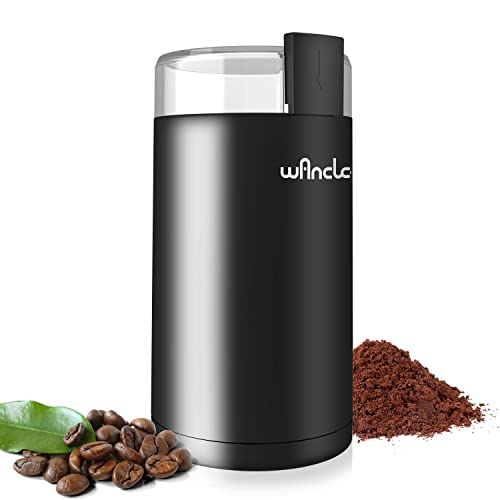
✅【A Secret To Grind Bean Effortlessly】Grinder comes with a pure copper motor and stainless steel blade. Easily observe the grinding situation by a transparent lid, extract the perfect flavor from beans. let you enjoy great coffee in a few seconds.
How Fast Does Espresso Make You Need the Bathroom?
You’re probably wondering if espresso really does make you sprint to the bathroom faster than regular coffee—and you’re onto something real. The espresso timing varies, but many people report bathroom latency of just 4 to 30 minutes after that concentrated shot.
Here’s the thing: about 29% of coffee drinkers experience this urge pretty fast. Your gut can activate within minutes, even before full digestion kicks in. Espresso hits harder because you’re consuming concentrated caffeine in one small dose.
The peak window hits between 15 and 30 minutes for most people. Some feel it sooner; others need closer to an hour. Your individual sensitivity, metabolism, and how warm the beverage is all shift that timeline. This urgent response happens because caffeine triggers gastrin release, which stimulates peristaltis contractions throughout your digestive tract.
The real takeaway? You’ll probably notice something within 30 minutes. Barista‑grade oat milk can also affect the speed of digestion when used in coffee drinks.
Why Some People Get the Espresso Effect (and Others Don’t)
When you notice your coworker bouncing off the walls after one espresso while you barely feel a buzz, you’re not imagining it—you’re witnessing genetics and metabolism in action.
Your genes literally control how fast you break down caffeine. Some people metabolize it quickly, meaning the stimulant clears your system before you feel much. Others process it slowly, so one shot hits harder and lasts longer.
Now, tolerance compounds this. Regular coffee drinkers build genetic tolerance, requiring larger doses for the same kick. Interestingly, the strength of espresso varies dramatically—specialty coffee shots typically reach 8-10% TDS while commercial espresso averages only 5-5.5%, meaning your morning espresso might be significantly weaker than you think.
Here’s the thing: your lifestyle matters too. Sleep quality, stress levels, exercise, hydration, and diet all shift how your body responds. Even age and sex influence caffeine sensitivity.
The espresso effect isn’t universal—it’s deeply personal. Your microbiome, circadian rhythm, and health status all play roles.
Consistent particle distribution can also affect how quickly caffeine is extracted from the grounds.Pressure differences between traditional espresso machines and capsule systems can influence the concentration of caffeine in the cup.
A well‑calibrated grinder ensures uniform grind size for predictable extraction.
What’s your current coffee routine looking like?
Lactose, Additives, and Other Triggers That Amplify the Effect
You’ve probably noticed that your milk-based latte hits your gut way harder than a plain shot—and you’re right to trust that instinct. Here’s the thing: when you add dairy, you’re not just adding flavor. You’re introducing lactose sensitivity triggers that work alongside coffee’s natural compounds, creating what we’d call additive synergy—where multiple factors gang up on your digestion simultaneously.
Lactose itself can trigger cramping and urgency, especially if you’re sensitive. But it doesn’t stop there. Sugar substitutes, creamers, and flavored add-ins pile on additional irritants. Your gut responds more intensely to the combined effect than it would to espresso alone.
Now, the specific ingredients matter. Different sweeteners produce different reactions. One creamer might barely bother you; another could wreck your day.
The takeaway: You’re not imagining the difference. Identify which additives trigger your symptoms, then experiment with removing them one at a time. That’s your fastest path to figuring out what your gut actually tolerates. Adding barista‑style almond milk can provide a smoother texture and reduce grainy foam, making it a gentler option for those with sensitive stomachs. Using a paper towel filter can be a handy emergency solution when a proper coffee filter isn’t available. The Chemex method highlights that paper filter choice influences extraction rate and flavor clarity.
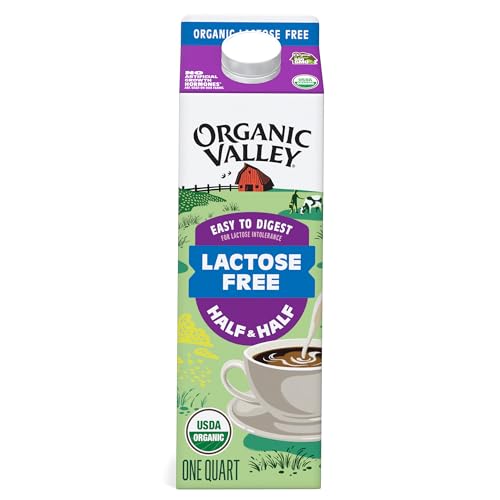
Added lactase enzyme naturally breaks down the lactose in this lactose free cream

Lusciously Creamy: One 32 fl oz Silk Sweet and Creamy Dairy Free, Gluten Free Almond Creamer Carton

Free From: Dairy, Lactose, Soy, Gluten, Tree Nuts Peanuts
Using Espresso to Combat Constipation Naturally
Now, here’s the thing: espresso alone won’t save you. You need a real strategy. Pair it with solid hydration balance—your stool needs moisture to move smoothly. Add fiber timing too; eating fiber-rich foods like prunes or whole grains gives espresso something productive to work with.
Drink your espresso warm in the morning when your body’s already primed to go. Skip it as a permanent fix, though. You’re looking at a temporary boost, not a replacement for genuine habits.

GLP-1 FRIENDLY DAILY FIBER SUPPORT: An easy way to help increase fiber intake during your GLP-1 journey or as part of any daily wellness routine. Prebiotic fiber helps feed beneficial gut bacteria, support the gut microbiome, and promote comfortable regularity.

Gentle Constipation Relief & Digestive Regularity Supports comfortable bowel movements and digestive regularity using a balanced formula designed to help relieve occasional constipation without harsh stimulation or dependency.

Trusted Quality – Our Premium Fiber Supplement is formulated with care to deliver gentle, effective digestive support. Comparable to Citrucel, our supplement is a trusted option for promoting regularity and overall gut health without harsh stimulants.
Red Flags: When Espresso Pooping Becomes a Real Problem
Since you’ve dialed in your espresso routine, it’s natural to wonder: what separates a normal coffee-triggered bathroom trip from something you should actually worry about?
Here’s the thing: occasional urgency is normal. Persistent diarrhea isn’t. If you’re hitting the bathroom multiple times daily with loose stools beyond that initial morning window, you might have coffee intolerance rather than a simple gastrocolic reflex.
Now pay attention to these warning signs. Blood in your stool or black, tar-like stools demand immediate medical attention—hidden bleedings don’t announce themselves. Severe cramping, unexplained weight loss, or sudden bowel habit changes? Those aren’t espresso side effects.
Obviously, if espresso’s your only way to produce bowel movements, something deeper’s happening. Stop self-diagnosing and schedule a doctor’s visit.