
Grab a moka pot, fill its base with water just below the safety valve, and add a level 25 g of dark‑roast, to the filter basket—no tamping. Heat on medium‑high, catch the first ½ Tbsp of dark drops, and whisk them with 1–2 tsp sugar until a thick, pale‑caramel foam forms. Stop the brew, then slowly pour the remaining coffee over the foam, giving it a gentle stir. Serve in a demitasse cup and uncover more tips for perfecting the crema.
Quick Overview: Make Cuban Espresso in a Moka Pot
If you want a true Cuban espresso without leaving the kitchen, start by loading the moka‑pot correctly: fill the base with water just below the safety valve, add medium‑ground coffee to the filter basket without tamping, and screw the top on tightly. Heat on medium‑high, watching the first gush of liquid; this strong espresso‑flavor fuels the espuma. Capture those initial drops, whisk them into sugar until the crema texture turns pale beige, then keep beating until a thick, frothy foam forms. Slowly pour the remaining brew into the whipped sugar, stirring gently to preserve the foam layer. Spoon a little froth atop each cup, serve immediately, and enjoy a short, sweet espresso with a glossy crema texture and authentic Cuban character. The Moka pot’s pressure‑based extraction stovetop espresso yields a richer, more concentrated brew than standard drip coffee. Properly cleaning the pot after each use prevents oil buildup and maintains consistent flavor. Follow the water level guidelines to avoid over‑pressurizing the chamber.

CRAFT COFFEE AT HOME: Produces six demitasse/espresso servings of rich, smooth espresso coffee in minutes. Craft your own espresso, Americano, Cuban coffee, Italian-style coffee, Moka, lattes, cappuccinos and more from the convenience of your home.Filter type:Reusable
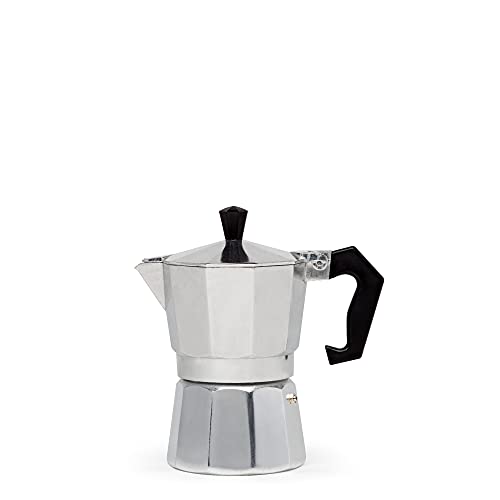
CRAFT COFFEE AT HOME: Produces three demitasse/espresso servings of rich, smooth espresso coffee in minutes. Craft your own espresso, Americano, Cuban coffee, Italian-style coffee, Moka, lattes, cappuccinos and more from the convenience of your home.

The original moka coffee pot: Moka Express is the original stovetop espresso maker, it provides the experience of the real Italian way of preparing a tasteful coffee, its unique shape and the inimitable gentleman with moustache date back to 1933, when Alfonso Bialetti invented it.Filter type:Reusable
Gather the Essential Equipment and Ingredients
Now that you’ve mastered the brew and foam, round up the gear and pantry items that make a Cuban espresso possible at home. Choose a stovetop or electric moka pot as your core brewer; an AeroPress with a flow‑control cap works too. Grab a reliable grinder and set it to an espresso grind for dark roast beans—this yields the deep espresso flavor you crave. Measure 1/3 cup ground coffee and 1 ¼ cups water for the moka, or 25 g coffee and 90 g hot water (≈185 °F) for the AeroPress. Stock granulated white sugar, a 2‑cup metal pitcher, and a small spoon or whisk for mixing. Keep demitasse cups, a glass measuring cup, and a kitchen scale handy for precision. Add a fine‑mesh filter if your device needs one, and you’re ready to brew. Regular descaling prevents mineral buildup that can alter flavor and damage the machine. For a smoother concentrate, consider using a 1:4 coffee‑to‑water ratio during the steeping process. Properly cleaning the group head each day helps maintain consistent pressure and prevents coffee oil residue buildup.


Venus is the perfect combination of tradition and innovation: the original induction coffee maker that prepares a perfect coffee, with a Made in Italy taste from a pot with a unique design.

MEDIUM CAPACITY: This stovetop espresso maker brews six cups of rich, full-bodied coffee using traditional Italian moka pot brewing method, forcing hot water through grounds for barista-quality espresso flavor in minutes
Prepare the Sugar Foam (Espumita) Correctly
When you whisk together the first concentrated coffee drops with a pinch of white granulated sugar, the mixture instantly begins to thicken into a light, caramel‑colored foam. Use 1–2 teaspoons of sugar per serving; a small amount guarantees the foam thickens without turning syrupy. Add only the initial coffee drops—about a teaspoon—to keep the mixture dense enough for structure. Whip vigorously with a fork or small whisk for 1–2 minutes, watching the Espumita consistency shift from glossy liquid to a thick, pourable paste. Pay close attention to Sugar caramelization timing: the foam should turn a pale caramel hue, not dark brown, indicating proper aeration. If it stays grainy, keep whipping until the foam becomes smooth and light. Paper towels can be used as a temporary filter in a pinch, but they may affect flavor and safety.
Brew the First Strong Coffee Drops for the Foam
Grab your moka pot or espresso machine and start the brew, but stop as soon as the first, dark‑rich drops begin to flow. You’ll collect only a few drops—about half a tablespoon—because their concentration fuels the foam. Pour them gradually into the sugar cup, watching the temperature stay hot enough to dissolve the crystals instantly. Stir vigorously; the mixture should turn a thick, pale paste, not a runny liquid. If clumps linger, add another drop and keep whipping until the consistency is creamy. Timing matters: begin mixing before the brew cycle ends so the extraction timing captures peak concentration while the heat remains high. This intense, hot coffee‑sugar base primes your Cuban espresso for the final sweet foam. Using an inappropriate grind can cause channeling and affect the espresso’s strength. Consistent fine grind ensures optimal extraction and prevents uneven flavor. The mesh plunger in a French press separates grounds from liquid, illustrating how proper filtration can enhance texture in coffee preparations.
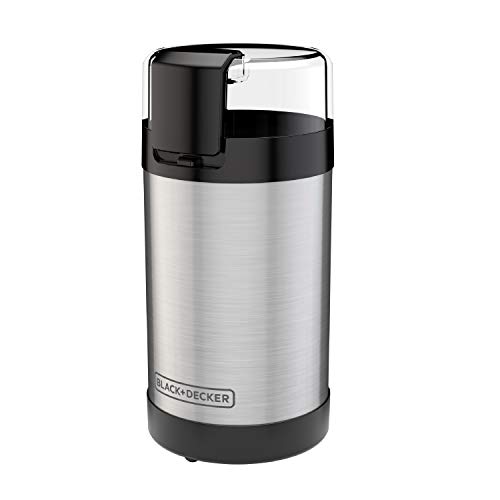
STAINLESS STEEL BLADES AND BOWL - The sharp blades and durable grinding bowl are built to last, delivering uniform grinds with every use
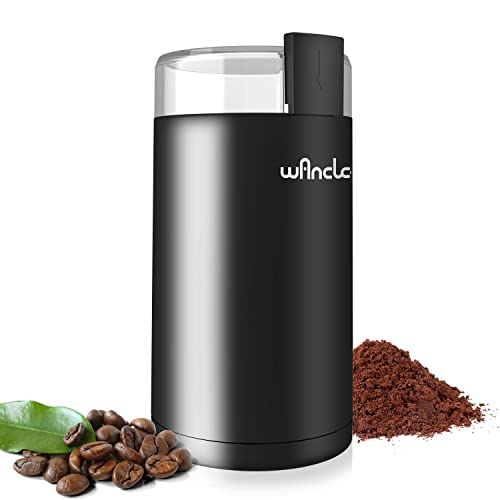
✅【A Secret To Grind Bean Effortlessly】Grinder comes with a pure copper motor and stainless steel blade. Easily observe the grinding situation by a transparent lid, extract the perfect flavor from beans. let you enjoy great coffee in a few seconds.

Electric coffee bean grinder appliance for home use
Finish Brewing and Combine With the Sugar Foam
If you pour the remaining coffee slowly over the thick, pale foam, the sweet layer stays intact while the heat dissolves any lingering sugar. Begin with a gentle, steady stream; the foam must stay intact, so avoid a rush that would collapse it. As the coffee cascades, it distributes sweetness evenly and preserves aroma, letting the fragrant oils mingle without being burnt off. When the cup is full, give it a brief, careful stir—just enough to dissolve the last sugar crystals and unify the texture. Over‑stirring will flatten the foam, so keep the motion light. The result is a smooth, caramel‑colored crema‑like top, sweet, slightly aerated, and ready for immediate enjoyment. For an even richer foam, try using a high‑fat milk before frothing. Selecting a bar‑strength almond milk can also enhance the foam’s stability and texture. The machine’s 19‑bar pressure ensures rapid extraction, creating a dense, flavorful base for the foam.
Serve Cuban Espresso With the Classic Demitasse Presentation
After the coffee settles into the silky foam, pour it straight into a demitasse cup. Choose a ceramic cup material that retains heat, holding 2–3 oz so the caramel‑colored foam texture stays visible. The compact vessel amplifies aroma, letting the sweet crema crown the espresso. Serve each demitasse on a matching saucer for a classic look; the small size invites quick sips and highlights intensity. If a slightly smaller serving is desired, an espresso‑size cup (1–2 oz) works too, but the 2–3 oz demitasse gives room for the foam and a satisfying mouthfeel. Share multiple cups for a communal cafecito experience, keeping the presentation simple, hot, and freshly poured. A proper water temperature ensures optimal extraction and flavor balance. Using a 1:15 coffee‑to‑water ratio helps achieve consistent strength and body. For larger batches, adjust the coffee amount proportionally based on the coffee‑to‑water ratio to maintain balance.
AeroPress Adaptation for a Cuban‑Style Concentrate
When you set up the AeroPress for a Cuban‑style concentrate, start with the Flow‑Control Filter Cap to keep the brew tight and the foam rich. Use a burr grinder for an AeroPress grind that’s fine‑to‑espresso‑fine, then measure 25 g of dark roasted beans. Place a paper filter and a stainless‑steel filter in the cap, screw the chamber onto the mug, and add 90 g of hot water. Stir for 20 seconds, press, then repeat with a 120 g second pour and a 30‑second rest. Mix the first press into two teaspoons of sugar, whisk vigorously to form espumita. Adjust strength with Dilution ratios: 50 g water for full body, 75 g for balance, 100 g for a delicate cup. This method yields a rich, sweet concentrate ready for Cuban espresso. Pressure from the Prismo attachment can be used to increase crema and body. A consistent coffee‑to‑water ratio ensures repeatable flavor across batches. Bottomless portafilters reveal extraction clarity by showing the full flow of espresso.

Complete Brew Control – The innovative AeroPress Flow Filter Cap features a pressure-actuated valve that stops drip-through, giving you complete control over grind size and brew time for endless creativity.

Complete Brew Control – AeroPress Variable Flow Control Cap – XL uses a flow restriction disc to prevent drip-through until you press, so you can experiment with grind size and brew time for more control in every cup.

Rich Flavor with Complete Brew Control: Use the AeroPress Flow Control Filter Cap and the Stainless Steel Filter together to brew fuller-bodied coffee and stop drip-through. With the Flow Control Filter Cap you can extend brew time and use any grind size for complete brew control.
Troubleshooting: Fix Thin Foam and Weak Extraction
Even a modest tweak can rescue thin foam and weak extraction: start by ensuring your sugar‑to‑coffee ratio is spot‑on, use a fine espresso grind, and whisk the first drops vigorously until the mixture turns pale, thick, and aerated. Next, check espresso milk foam timing—add the remaining coffee only after a dense, creamy espumita forms. If foam stays watery, increase sugar by a teaspoon or reduce liquid, and keep whisking until the texture resembles a thick paste. Strengthen extraction by filling the moka pot basket fully, leveling grounds, and using moderate heat; over‑filling or a coarse grind dilutes the first drops. Assemble tightly, pre‑heat the burner, and watch the brew flow steadily. These precise adjustments turn thin foam into a robust, sweet crema. Flatten overflow with a spoon and paper towel for even distribution. The coarse grind used in cold brew helps prevent over‑extraction, a principle that also applies to achieving a balanced espresso crema. Proper water temperature is crucial for extracting the full flavor profile of the coffee.

【PRECISION GRINDING CONTROL】 Stop guessing how long to grind. Our electric coffee grinder features a clear timing knob with seconds marks, allowing you to achieve the exact coarseness for espresso, drip, or French press every time. No more inconsistent grounds or burnt beans.

40 EXTERNAL ADJUSTABLE GRIND SETTINGS - Unlike traditional grinders with internal adjustments, our manual coffee grinder offers 40 precise external settings. The easy-to-use adjustment ring lets you select your perfect grind level, broadening your coffee flavor options without the mess of stray grounds. Perfect for espresso, pour-over, French press, and more.
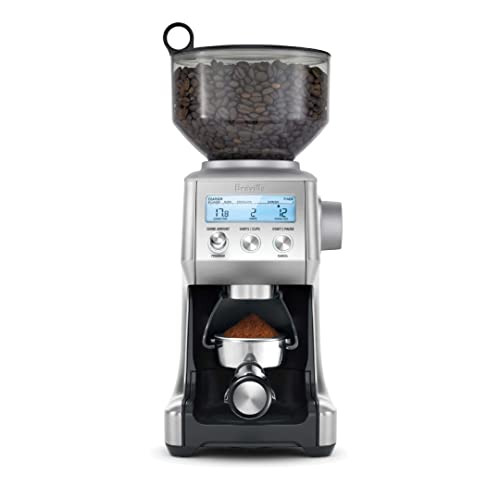
The Breville Smart Grinder Pro includes 60 unique settings – this programmable conical burr grinder offers a wide range of possibilities for your brew; Choose a unique setting and find the right dose for your coffee