
Operating your Mr. Coffee espresso machine hinges on three things: water temperature, grind consistency, and portafilter pressure. Fill the reservoir with fresh cold water, plug it in, and let it warm until the indicator light steadies. Use medium-dark roast beans ground to table-salt texture, tamp with steady pressure into the portafilter, lock it securely, then press the espresso button. Watch for a steady stream—coarse grinds pull fast and sour, while fine grinds choke and turn bitter. Once you nail those basics, pulling excellent shots becomes automatic, and the real complexity opens up.
Machine Setup and Preparation
Before you brew your first shot, you’ll need to get your Mr. Coffee espresso machine properly set up. This means plugging it into a grounded outlet and flipping the main power switch on—nothing fancy, just straightforward preparation.
Now, remove the water reservoir and fill it with fresh cold water. A water filter works wonders here, reducing mineral buildup and improving taste markedly. Follow the marked cup lines to match your intended batch size, and avoid overfilling beyond the maximum line.
Once filled, reinstall the reservoir securely so water feeds properly into the machine.
All right, here’s the critical part: verify that your drip tray and cup placement are ready beneath the spouts. Check that the steam selector sits in the espresso position. The drainage tray requires regular cleaning to prevent espresso water residue from accumulating and affecting machine performance. Allow the indicator light to reach the ready state before you proceed—this warm-up period guarantees stable water temperature for extraction. Regular descaling helps maintain optimal performance and prolongs the machine’s lifespan. Monthly descaling removes mineral deposits that can clog the group head and reduce extraction quality. Follow the daily cleaning routine to keep the machine in top condition.
Select Your Coffee Grounds and Grind Size
What makes the difference between a shot that tastes bright and balanced versus one that tastes thin and sour—or worse, bitter and harsh? Your bean selection and grind consistency.
You’ll want an espresso roast or medium‑dark roast for richer flavor. Freshly ground beans beat pre‑ground coffee every time. If you’re buying pre‑ground, grab espresso‑labeled coffee—regular drip grind is too coarse. The Mr. Coffee Espresso Machine’s 15 bar pump pressure ensures optimal extraction when paired with the right grind size.
Here’s the thing: your grind should resemble table salt, not flour. Too coarse? Water rushes through, leaving you weak and sour. Too fine? You get bitter, over‑extracted shots. Consistency matters as much as size; uneven particles cause uneven extraction.
Start with small grind adjustments. One step at a time reveals what your machine actually needs. Using a burr grinder helps achieve the uniform particle size essential for consistent espresso shots. Proper grind size directly influences extraction time and flavor balance. The consistent particle size from a burr grinder ensures each sip extracts the intended flavors.
Avoid These Five Extraction Mistakes
Why does your espresso sometimes taste sour one day and bitter the next, even when you’re using the same beans and machine?
The answer lies in extraction mistakes that you’re probably making without realizing it. You’ll get watery, sour shots when your grind consistency is too coarse—water rushes through too fast. Conversely, slow, bitter espresso means you’ve ground too fine. Hit that sweet spot with medium-fine grounds.
Now, pressure monitoring matters enormously. Inconsistent tamping creates uneven extraction. You need firm, even pressure—about 30 pounds of force. Under-tamping lets water channel through; over-tamping chokes flow and tastes bitter. Hard water also reduces extraction quality, so filter your water with a Brita or similar device before brewing.
All right, here’s your checklist: dial in grind consistency first, then focus on pressure monitoring. Aim for 25-30 seconds of flow. Small adjustments fix nearly everything. Using a grind that is particle uniform is crucial for proper extraction. Proper water temperature, typically around 90‑96°C, also ensures optimal extraction. Remember to maintain a consistent extraction pressure to achieve a balanced shot.

【PRECISION GRINDING CONTROL】 Stop guessing how long to grind. Our electric coffee grinder features a clear timing knob with seconds marks, allowing you to achieve the exact coarseness for espresso, drip, or French press every time. No more inconsistent grounds or burnt beans.
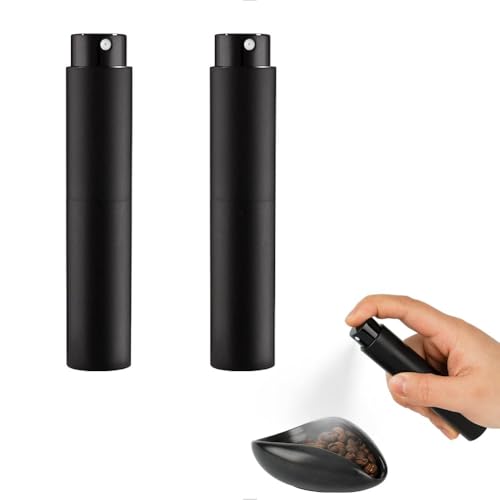
【SZIE INFORMATION】Capacity:10ml,Height:4.48inches(114mm),Diameter:0.9inches(23mm),

6 Pack of 10 oz fine ground espresso Bricks – Vacuum-sealed to keep each batch fresh, and aromatic, and ready for daily brewing .
Lock and Position the Portafilter
Getting your portafilter locked properly is where many people stumble—you’ve nailed extraction and tamping, but then the handle won’t rotate all the way, or you’re unsure when you’ve actually locked it.
What’s actually stopping your lock?
Coffee grounds on the rim block rotation before the seal forms. Too-fine grounds create resistance. An overfilled basket pushes everything outward. Here’s the thing: you’re likely dealing with one of these three culprits, not a broken machine.
The actual locking motion
Align your portafilter handle with the lock icon, insert it, then rotate with steady pressure. Stop when resistance increases—that’s your signal. Don’t force past the natural lock point. Portafilter ergonomics matter here; grip firmly but let the mechanism work.
About gasket wear
New gaskets feel stiff and tight. They loosen naturally with use. Wipe the rim clean, keep your gasket contact area pristine, and you’ll lock smoothly every time.
the basket is a key component that determines how evenly water flows through the coffee grounds. It also influences the extraction uniformity which is crucial for a balanced flavor profile. A proper coffee‑to‑water ratio helps maintain consistent extraction across the basket.

Compatible with multiple 51mm coffee machines, such as some of the Dolim/GEVI/MR COFFEE, etc. It is not compatible with the Delonghi coffee machine (The Delonghi ring, Please check the ASIN: B0C2Q94KWG)
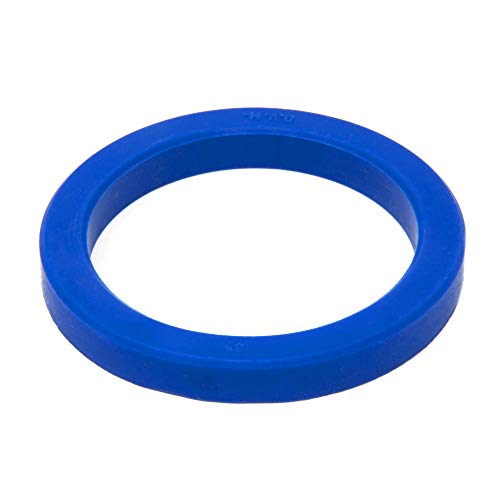
A higher quality upgrade for your E61 espresso machine gaskets

Ultra‑fine Filter Mesh: Effective filtration espresso powder, get smooth and intense espresso or coffee taste more. Coffee filter separator, good filtration, brew your favourite coffee. Let you enjoy a delicious cup of coffee at your leisure.
Brew Your First Shot
You’re ready to brew—but before you press that button, your machine needs to actually be ready too. Check that your control panel lights have stopped pulsing and remain steady—that’s your signal the water temperature has reached optimal levels for espresso brewing.
Now, place your cup directly under the brew head. Press the Espresso button once for a single shot or twice for a double. Here’s the thing: you can also customize your pour by pressing and holding for three seconds, then pressing again when you’ve got enough. The machine automatically stops at five ounces for safety. Make sure your portafilter is locked before starting the brew cycle to prevent any leaks or misalignment during dispensing.
Watch the espresso flow—you’re looking for a steady stream, not spurts or drips. If nothing dispenses, confirm water fills your reservoir and your portafilter locks properly into position. Regularly clean the brew group to avoid scale buildup and maintain optimal performance. Regular descaling helps preserve flavor and prevents mineral deposits from clogging the system. Using a burr grinder can achieve a consistent fine grind that is essential for proper extraction.
Steam and Froth Milk Correctly
If you’ve mastered pulling shots, steaming milk is where you’ll really transform your espresso into lattes and cappuccios. Here’s the thing: it’s not magic—it’s technique and timing.
Why Your Setup Matters
Fill your reservoir with fresh water before you start. You’ll want whole milk for ideal milk texture and richer foam. Use a clean metal pitcher because it transfers heat better than ceramic. Understanding air injection helps you achieve a smoother foam. Micro‑foam creates a velvety texture that enhances the coffee’s body.
The Wand Angle Makes All the Difference
Submerge the wand before activating steam to minimize splashing. Lower your pitcher gradually to introduce air in controlled amounts. Tilt slightly to create a whirlpool motion that circulates milk evenly. Switch the control knob to the steam setting to begin frothing your milk.
Stop When It Feels Right
Touch the pitcher’s side—when it’s too hot to hold comfortably, you’re done. You’ve just created microfoam worthy of your shot.

304 STAINLESS STEEL: Amrules 12oz creamer pitcher are crafted of 18/8 food grade stainless steel. The pitcher features external mirror finish and internal hairline finish. It is sturdy, durability, rust-resistant and resistant to deformation

【Food Grade Material】This milk frothing pitcher is made of high-quality 304 stainless steel, which is rust proof, stain proof, and heat resistant. It has a stylish appearance and is very easy to clean after use.

Measure Capacity for Your Routine: This milk frothing pitcher has internal oz/ml marks; choose 12 oz for single drinks, 20 oz for larger lattes, 32 oz and 50 oz for multiple servings
Pull a Latte or Cappuccino
Start by brewing your espresso shot directly into your serving cup. For lattes, you’ll want more milk, so grab a larger cup. For cappuccinos, use a smaller demitasse to keep proportions tight. Machine brews four espresso shots in one cycle, so you’ll have plenty of espresso to work with.
Pour your steamed milk over that espresso base. Here’s the thing: milk temperature matters because cooler milk won’t blend smoothly with hot espresso. Your foam texture determines the final drink—keep it velvety for lattes, thicker and airier for cappuccinos.
The real trick? Pouring milk before foam creates layers naturally. You’ve got this. Using bar‑style‑style almond milk enhances foam stability and texture. Micro‑foam is achieved by keeping the milk temperature between 140–150 °F (60–65 °C). Pre‑chilling the frother helps maintain optimal temperature control for consistent foam.

【BARISTA-QUALITY 4-IN-1 FOAMING】 Equipped with a powerful 500W motor and up to 3400 RPM whisking speed, this electric milk frother and steamer effortlessly creates 4 custom coffeehouse styles in 2–3 minutes: Thick Warm Foam (Cappuccino), Airy Light Foam (Latte), Silky Hot Milk/Chocolate, and Refreshing Cold Foam for iced beverages.

Milk frother with Multi-Function Frothing: Versatile for various foam types and warm milk or chocolate. Create thick warm foam, light warm foam, cold foam, and warm milk with ease. Designed for cappuccinos, lattes, and more, this 500W milk frother delivers professional-grade froth in about 2 minutes (The voltage is 120V)

Perfect Combination Of Milk Frothing Pitcher And Latte Art Pen: The milk frother jug can be used in different ways: froth or steam milk for lattes; measure liquids; serve milk or cream. Featured with a latte art pen which can shape kinds of beautiful coffee pattern. Perfect for making frothing or steaming milk for espresso, cappuccino or hot chocolate. Be your own barista in home and office.
Clean Your Machine After Every Use
Keeping your Mr. Coffee espresso machine pristine guarantees consistent flavor and longevity. You’re probably wondering why immediate cleanup matters—here’s the thing: dried espresso oils and milk residue create buildup that compromises taste and clogs your brew path.
Right after brewing, remove grounds from the portafilter and wash it with warm, soapy water. Empty your drip tray regularly to prevent residue accumulation. If you’ve steamed milk, purge the frothing wand immediately and wipe the nozzle clean. For the milk side, press and hold the button to release steam for about 30 seconds to thoroughly clean the nozzle.
Water Filtration Matters Too
Now, use filtered water for your reservoir. Hard water accelerates mineral scale formation, so you’ll need more frequent filter maintenance if your area has mineral-heavy tap water. Flush the brew path with water when you can.
These quick habits keep your machine performing beautifully.
Troubleshoot Pressure and Temperature Problems
Your espresso shots suddenly got weak or stopped flowing entirely—and you’ve already cleaned everything. Now we’ll dig into the two culprits that wreck most machines: pressure leaks and thermostat calibration issues.
Why’s Your Pressure Gone?
Start by checking your reservoir—is it full and seated properly? Low water stops flow dead. Next, run water through without coffee grounds. This tells you if your pump works or if the puck itself resists too much. If your machine has been idle for years or used with hard water, scale buildup may be blocking the high-pressure vent to your portafilter, requiring a descaling procedure with distilled vinegar to restore flow.
The Heat Problem
Your machine needs time to reach brewing temperature. Run it fully warm before pulling shots. A thermostat calibration problem means you’re extracting at the wrong heat, weakening everything. If pressure leaks persist after these checks, you’ve likely got internal valve wear requiring professional service or replacement parts.

2-Pack Coffee Descaler and Cleaner - Clean and rinse away residue and oil buildup in your coffee maker with Impresa's Coffee Descaler Solution. Our highly effective solution comes with two 8-ounce bottles - enough for 4 descaling sessions (2 uses per bottle)

EXCEPTIONAL RESULTS: Introducing Tillbrook Coffee Machine Descaler specifically formulated for Breville—the best choice for removing hard water buildup, oils, and residue. It’s essential to clean and descale Breville Espresso Machines every 3-4 months to ensure proper functioning of your machine, to enhance the taste of coffee, and to extend the life of the machine.
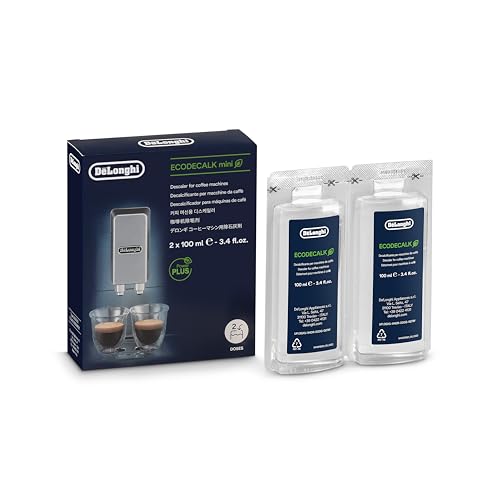
Eco-friendly universal descaling solution that's gentle on your coffee maker