
You’ll find the AeroPress wins on speed, portability, and cleanup—brewing a cup in under three minutes, fitting in a backpack, and rinsing in seconds. The Chemex shines when you need volume and a clean, bright cup, delivering three to ten cups per batch with a tea‑like clarity. Flavor‑wise, the AeroPress yields a fuller, richer body, while the Chemex offers higher acidity and floral nuance. If you want deeper insights into each brew’s control, durability, and cost, keep going.
Quick Verdict: Chemex vs AeroPress – Which Wins?
If speed and convenience matter most, the AeroPress takes the lead, brewing a cup in one to three minutes with minimal hands‑on time. You’ll notice the brew ratio is easy to tweak, letting you dial in a concentrated shot or a milder cup without sacrificing flavor consistency. The press’s pressure‑enhanced extraction yields a fuller body, richer mouthfeel, and balanced acidity that feels robust rather than airy. In contrast, the Chemex delivers a clean, bright profile through slow drawdown, but its fixed pour‑over routine limits rapid adjustments to brew ratio, making it less adaptable for on‑the‑fly changes. For everyday practicality, versatility, and consistent results under time pressure, the AeroPress clearly wins. Mastering the AeroPress also involves optimizing the grind size for the best extraction. Its cylindrical chamber design enables rapid, uniform immersion and pressure extraction.
How Many Cups Can Chemex vs AeroPress Brew per Batch?
Speed and convenience gave the AeroPress the edge in the quick‑verdict, but when you need to serve more than one person the question shifts to batch capacity. The AeroPress yields one to two cups per press, so you must repeat the cycle or dilute a concentrate to feed a group. In contrast, a Chemex handles true batch brewing: a 3‑cup model produces roughly 400 g (about one 250 mL cup), a 6‑cup version delivers 800 g (multiple standard servings), and the 10‑cup model can fill six twelve‑ounce mugs in a single pour. Larger Chemex batches demand careful grind‑adjustment and steady pour to avoid sluggish drawdown, but they still outpace the AeroPress in cup count per brew size, making Chemex the clear choice for multi‑person service. For optimal extraction, use a coarse uniform grind and water heated to 195–205 °F. The thick paper filter of the Chemex also helps maintain clarity when brewing larger volumes. Proper filter rinsing ensures no paper taste contaminates the brew.
Chemex vs AeroPress: Clean vs Fuller‑bodied Cups
One key distinction between the two brewers lies in how they shape the cup’s texture: the Chemex, with its thick bonded paper filter, delivers a clean, bright brew that feels almost tea‑like, while the AeroPress, especially when paired with a metal filter or pressed without one, produces a fuller‑bodied, richer cup that carries more weight on the palate. You’ll notice that the Chemex’s heavy filtration extracts bright acidity and floral nuance, giving exceptional flavor clarity and a light, delicate body. In contrast, the AeroPress’s pressure‑enhanced immersion retains more oils, creating pronounced body richness and a rounded, espresso‑like mouthfeel. Choose Chemex for crisp, transparent profiles, or AeroPress when you crave depth, density, and a more robust palate experience. The blind taste test showed the Chemex often yields a richer flavor compared to the AeroPress’s lighter, more watery cup. The Aeropress’s rapid, pressure‑assisted immersion also contributes to a cleaner cup with lower acidity short brew time.
How Does Brew‑Control Flexibility Compare Between Chemex and AeroPress?
The clean, tea‑like cup the Chemex delivers gives way to a different kind of mastery: how precisely you can shape the brew. You manage Chemex by orchestrating flow dynamics: bloom weight, grind size, pour rate, and temperature each tweak extraction. A steady circular pour and disciplined bloom keep the coffee bed uniform, but any deviation—over‑agitation or uneven pour—stalls flow and alters flavor. AeroPress, by contrast, relies on immersion control. You steep the grounds fully, then apply pressure, letting steep time, water temperature, and plunge speed dictate strength. This immersion removes the need for a precise pour pattern, so you can vary steep duration or pressure without sacrificing repeatability. Both methods let you fine‑tune, yet AeroPress offers broader, more forgiving flexibility. Using a food‑safe silicone chute can prevent clogging and improve airflow in the Chemex. Properly folding the Chemex filter with a tight seal ensures even extraction and reduces channeling. The V60’s thinner, conical filter preserves more oils and body, contributing to a richer flavor profile.
Which Is Easier to Use and Clean: Chemex or AeroPress?
What makes a coffee maker truly convenient is how quickly you can set it up, brew, and clean up without fuss. The AeroPress’s all‑in‑one design collapses the brew method into four steps: insert a paper filter, add coffee, pour hot water, and press. Each part snaps together, and the entire process finishes in under three minutes. Your cleanup routine is a quick rinse, a tap of the plunger, and the compact puck slides out effortlessly; most components are dishwasher safe. The Chemex, by contrast, demands a separate bonded paper filter, careful placement, and a staged pour that stretches the brew method to five‑seven minutes. Its cleanup routine includes discarding a wet filter and rinsing a large glass carafe, which can feel cumbersome and fragile. Overall, the AeroPress wins on ease of use and speed of cleaning. Regular descaling, as outlined in the Nespresso cleaning guide, helps maintain optimal performance for any coffee maker. Understanding air injection mechanisms can also improve foam quality for specialty drinks. The Aeropress’s 1:15 ratio ensures a balanced extraction when using medium‑fine beans.

The Brewer That Started It All – AeroPress Original was the first single cup coffee maker to combine 3 brew methods in one compact, portable device for a faster brew and better extraction giving coffee lovers a smooth, rich cup bursting with coffee bean flavor—without the bitterness or acidity found in other methods.
UNIQUELY DELICIOUS: No more average joe from fancy, expensive machines. By combining the best of several brew methods into one patented device, you get smooth, rich, grit-free coffee with a delicious, full-bodied finish that lingers well after your last sip. No bitterness. No cream needed.

Clear Colors in Shatterproof Tritan – AeroPress Clear Black Coffee Press features our iconic 3 in 1 brew tech in crystal clear Tritan for a durable, shatterproof, travel-ready brewer that lets you see your brew – wherever your brew takes you.
When Is Chemex the Better Choice for Group Brewing?
If you’re serving a small gathering or brunch, the Chemex shines because it lets you brew a single, sizable pot instead of juggling multiple single‑serve cycles. Its glass carafe holds 30–40 oz, so you can deliver a steady stream of coffee that matches the crowd vibe without resetting the brewer each cup. Batch brewing with a Chemex guarantees batch consistency: the thick paper filter removes fine sediment, yielding a clean, bright cup that pleases varied palates. The integrated server streamlines service flow, letting you pour directly from the pot to the table, preserving temperature and aroma. In group settings—3 to 5 drinkers or larger—this efficiency and visual impact outweigh the AeroPress’s single‑serve speed. For optimal extraction, follow a precise timing schedule that aligns grind size, water temperature, and steep duration. A proper coarse grind ensures even extraction and avoids over‑extraction. Using a 1:15 coffee‑to‑water ratio helps achieve a balanced flavor profile.

CHEMEX - simple, easy to use with timeless, elegant design

CHEMEX - simple, easy to use with timeless, elegant design

Pour Over Coffee: Manual Pour Over Coffee Maker allows you to brew an excellent cup of Coffee in minutes
When Does AeroPress Shine for Portability and Speed?
When you need coffee on the move, the AeroPress outshines larger brewers with its ultra‑compact, lightweight plastic body that slips into any backpack or carry‑on. Its travel‑friendly design resists breakage, so you can toss it into a suitcase, a camping pack, or a commuter bag without worry. You’ll appreciate the rapid brew: grind, add water, stir, then press—everything finishes in about one minute, delivering an 8‑oz cup before you even unpack your gear. The single‑cup focus eliminates batch‑brew lag, while the simple plunger‑out cleanup clears the puck in seconds. You can tweak grind size or steep time for espresso‑style punch or a mellow americano, yet never sacrifice speed. This blend of portability, efficiency, and customizable quickness makes the AeroPress the go‑to for on‑the‑go coffee lovers. The method’s high extraction control lets you fine‑tune flavor intensity in seconds. The AeroPress’s low‑acid extraction also helps prevent stomach discomfort for sensitive drinkers. For a smoother brew, use a coarse grind to reduce bitterness.

Travel Coffee maker: brew Coffee or tea on the go and drink from same container when ready; enjoy your daily fix wherever you are

1️⃣ EXPERIENCE THE FULL POTENTIAL OF COFFEE - Press the plunger to maximize the release of rich flavor. You’ll be in control of the brewing process with our PATENTED plunger system, powered by stainless steel springs. It directly brews in your mug to eliminate any mess.
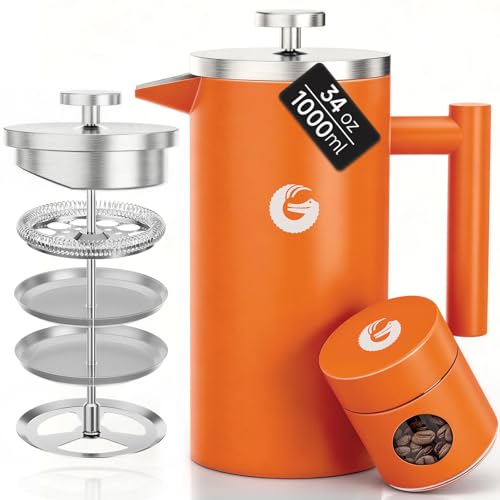
BREW LIKE A BARISTA AT HOME – Built-in measurement markings help you easily achieve the ideal coffee-to-water ratio for consistently rich, flavorful coffee. Makes up to 34 oz, perfect for daily brewing
Price, Storage, and Durability Comparison – Chemex vs AeroPress
Because price, storage, and durability intertwine, the AeroPress usually edges out the Chemex in overall value. You’ll notice the AeroPress’s $30‑$25 tag sits at or below the Chemex’s $30‑$40 range, and its filter cost is a fraction of the Chemex’s pricey paper filters—$5 for 350 AeroPress discs versus recurring Chemex filter expenses. The glass Chemex feels elegant but demands countertop space and shatters under rough handling; its travel durability is limited. In contrast, the BPA‑free plastic AeroPress is feather‑light, fits snugly in a drawer, and survives drops without cracking. When you weigh upfront price, ongoing filter cost, compact storage, and robust travel durability, the AeroPress delivers a tighter, more practical value proposition. Regular descaling prevents residue buildup and helps maintain optimal flavor over time. For optimal cleaning, follow a soft brush routine to gently remove coffee oils from the interior.

Compact Travel Coffee System – Brew smooth, rich coffee anywhere in under 2 minutes. Includes a small, portable version of our 3-in-1 brewer and a lightweight, microwaveable mug with a silicone lid. Just unpack, brew and repack the coffee press back into the custom mug that doubles as a portable, travel container. Make hot or iced coffee on the go— traveling, camping, backpacking, hiking, and boating.

High Quality Paper Micro-Filtration – Biodegradable, compostable paper coffee filters made from white, chlorine-free, food-safe paper for a flavor profile free of papery, chemical taste. Ultra thin, tightly woven with micro-sized holes that filter and catch coffee grounds stopping them from passing into your cup. Zero grit.

MINI COFFEE MAKER STORAGE BAG: Small size, light weight and fit design mini storage bag that easy for carrying. This mini bag is just suitable for small coffee maker / food jar/ food container, protect your jar against dents & scratches.
Best Brewer for Your Priorities (Speed, Flavor, Portability)
While you weigh speed, flavor, and portability, the AeroPress and Chemex each excel in distinct ways that align with different brewing priorities. If you need a rapid brew, the AeroPress’s pressure‑assisted method delivers a cup in under a minute, letting you chase a bold, concentrated flavor without waiting. Its travel‑friendly compactness makes it the go‑to device for camping or office desks, and cleanup is a quick rinse. The Chemex, by contrast, embraces a slower, gravity‑driven brew method that yields a clean, bright cup; its thick filters strip oils, highlighting clarity versus body. Though less portable, the glass brewer supports larger batches, ideal for hosting. Choose AeroPress for speed and portability, Chemex for refined flavor and batch capacity. Regular descaling prevents mineral buildup and extends the life of your coffee maker.

WHY THE OXO RAPID BREWER? — Brew exquisite concentrated coffee anywhere in 5 minutes or less with this lightweight, portable coffee maker. Not only is this the end of unsatisfactory coffee on-the-go, it’s the end of long lines and overpriced barista brew.

QUICK INSTANT BREW TIME: With the personal single-serve coffee maker, you can brew fresh coffee at home in under 60 seconds. And immediately take it on the go to reduce precious time in the early mornings.

Brews consistent, flavorful pour-over coffee with minimal effort