
You’re wondering what an AeroPress actually does, and you asked the right question. It’s a compact, plastic‑cased brewer that mixes immersion (like a French press) with a manual plunge, letting you extract a smooth, low‑acid cup in about a minute. You add ground coffee, hot water (≈93 °C), stir, then press gently, which forces water through the grounds and a paper filter, trapping fines and delivering a clean cup. The design lets you tweak grind, temperature, and brew time, so you can mimic espresso, Americano, or even cold‑brew styles. Now you know the basics—next, you can explore the standard vs. inverted methods to find your preferred flavor profile.
What Happens Inside an AeroPress When You Brew?
When you first pour hot water into the AeroPress, the grounds get completely soaked, just like a tea bag in a cup. That immersion saturates every particle, letting flavor diffusion happen throughout the slurry instead of at a single spot. You stir gently, eliminating dry pockets and boosting contact between water and soluble acids, sugars, and bitters.
Now, the plunger creates gentle pressure, compressing the puck and slowing flow. This manual pressure, filter dynamics, and the paper filter trap fine particles while letting the brewed liquid pass. The filter also removes papery taste if you rinse it first.
All right, the result is a concentrated, clean cup with balanced acidity and body. The takeaway: immersion, pressure, and filter dynamics together shape your AeroPress brew. Next, decide whether a standard or inverted method fits your taste. The fine grind ensures optimal extraction.
A consistent coffee‑to‑water ratio helps maintain flavor balance across brews.
Choosing the right water temperature, such as 175‑185 °F, further enhances the balance of acidity and sweetness.
The short brew time makes the AeroPress ideal for quick, portable coffee preparation.
Standard vs. Inverted: Which Method Fits Your Taste?
You’re probably wondering which AeroPress style will give you the cup you crave. The standard method keeps the brewer upright, letting water drip as it percolates, so you get a clean, filtered‑like taste profile. It’s stable, quick, and easy to clean, perfect when you value convenience over maximum body curve.
All right, the inverted method starts upside‑down, letting grounds steep fully before any drip, which creates a fuller body curve and richer immersion character. It demands a careful flip and a bit more coordination, but you control steep time for a stronger, more robust cup.
Obviously, if you prefer clarity and speed, stick with standard; if you chase depth and a bolder mouthfeel, try inverted. Your next step: brew a quick standard cup, then flip to compare.
Choosing the right method can also affect your overall coffee budget, especially when you consider the higher cost per serving of proprietary capsules like those used in Nespresso machines.
A nitrogen‑infused brew can add a velvety texture and cascading foam, similar to the effect achieved with a nitro cold brew system.
Proper water temperature control, such as maintaining around 93 °C, is essential for extracting balanced flavors.

High Quality Paper Micro-Filtration – Biodegradable, compostable paper coffee filters made from white, chlorine-free, food-safe paper for a flavor profile free of papery, chemical taste. Ultra thin, tightly woven with micro-sized holes that filter and catch coffee grounds stopping them from passing into your cup. Zero grit.

High Quality Paper Micro-Filtration – Biodegradable, compostable round replacement coffee filters made from natural, unbleached, food-safe paper for a flavor profile free of papery, chemical taste. Ultra thin, tightly woven with micro-sized holes that filter and catch coffee grounds, stopping them from passing into your cup. Zero grit.

AeroPress Variable Tuning: Grind Size, Water Temperature, and Brew Time
If you’re wondering why your AeroPress sometimes tastes thin or overly bitter, the answer lies in three levers you can tweak: grind size, water temperature, and brew time.
How does grind consistency affect extraction?
A medium‑fine to fine grind—think table‑salt texture—gives you a solid baseline. Finer particles speed extraction, adding body and intensity, while a coarser set softens bitterness and prevents clogs. Keep the grind uniform; uneven particles create mixed extraction and a muddier cup. If the brew feels weak or sour, first tighten the grind before touching anything else. AeroPress can be positioned on a sturdy mug to maintain pressure during extraction.
When should you use a temperature swing?
Aim for 93 °C (200 °F) but experiment within 90–96 °C. Hotter water pulls more sweetness and body, cooler water tames harshness. Dark roasts usually enjoy a slight temperature swing down; light roasts benefit from a small climb up. Adjust temperature after you’ve settled on grind, because its impact is subtler.
What brew time tweaks work best?
Typical total time sits at 1:30–2:30, with a 1–2‑minute steep before pressing. Longer immersion deepens extraction; shorter steep yields a cleaner, lighter cup. Keep the press steady for 20–30 seconds to avoid agitation spikes.
Takeaway
Tweak grind first, then temperature, then brew time—changing one variable at a time to isolate flavor shifts. Ready to experiment? Grab a timer, set a baseline, and note each change. Your next cup will reveal which lever moves the needle for you.
Even though a French press cannot reach the 9 bar pressure of true espresso, using an extra‑fine grind can still produce a high‑pressure style brew that mimics espresso’s intensity. The Aeropress’s ability to generate consistent pressure makes it especially suitable for achieving a balanced extraction across different coffee origins. Adding a cold brew concentrate can further enhance the body and smoothness of your AeroPress cup.

60 Adjustable Grind Settings – Fine-tune your grind size from espresso-fine to course. Dial in and customize for AeroPress, pour-over, French press, cold brew, or drip coffee. Enjoy consistent results and complete control with this manual burr coffee grinder for every brew. Comes preset to medium-fine for AeroPress.

40 EXTERNAL ADJUSTABLE GRIND SETTINGS - Unlike traditional grinders with internal adjustments, our manual coffee grinder offers 40 precise external settings. The easy-to-use adjustment ring lets you select your perfect grind level, broadening your coffee flavor options without the mess of stray grounds. Perfect for espresso, pour-over, French press, and more.

The Brewer That Started It All – AeroPress Original was the first single cup coffee maker to combine 3 brew methods in one compact, portable device for a faster brew and better extraction giving coffee lovers a smooth, rich cup bursting with coffee bean flavor—without the bitterness or acidity found in other methods.
AeroPress‑Specific Coffee Styles: Espresso‑Style, Americano‑Style, and Cold Brew
You’ve nailed the grind, temperature, and time levers, but you’re still wondering how to shape those variables into distinct AeroPress styles.
What makes an espresso‑style shot?
You use 18–20 g of dark, freshly ground beans and 60–90 g of water, a fine grind just a touch coarser than true espresso. The short steep (≈30 s) and immediate press simulate pressure, giving you a thick body and a hint of crema. The takeaway: you get a concentrated, milk‑friendly brew without 9 bar.
How do you turn that into an Americano?
Brew the same strong shot, then add hot water to reach your desired cup size. This dilutes intensity while preserving the espresso‑like flavor. The takeaway: you enjoy café‑style balance in a larger mug.
Can you make cold brew with the AeroPress?
Yes—mix 45 g of coarse beans with 240 mL of cold water, steep 8–12 hours (or overnight in the fridge), then invert and plunge. The result is a smooth, low‑acid concentrate you can dilute. The takeaway: you get a revitalizing, mellow cup without extra equipment.
Now you know which ratio, grind, and steep time to pick for each style. Ready to try one? coarsely ground beans can help prevent over‑extraction and keep the brew smooth. The Aeropress’s rapid extraction also makes it ideal for those who value speed and portability.
A proper water temperature ensures optimal extraction and flavor balance.
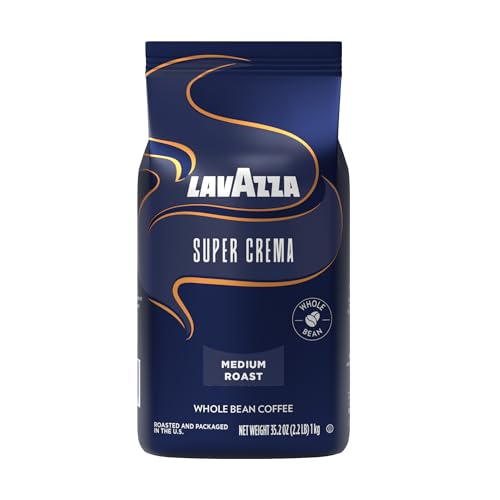
SUPER CREMA: A 2.2 lb whole bean coffee bag ideal for espresso preparation

One bag of 2.2lb Lavazza Espresso Barista Gran Crema Whole Bean Coffee Blend
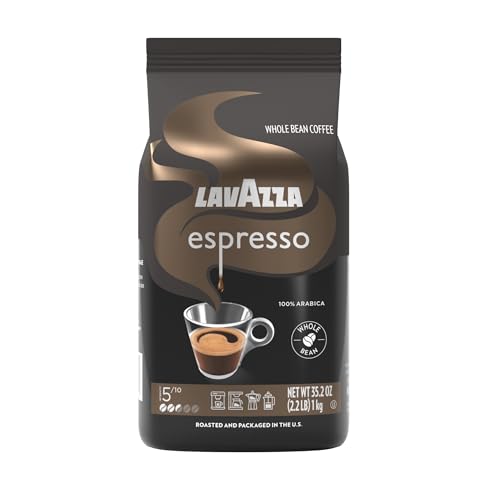
INTENSITY AND ROAST: With a 5/10 intensity, this fragrant medium roast offers a sweet and aromatic finish
AeroPress Cleaning, Maintenance, and Travel Tips
Cleaning up right after you finish a brew isn’t a chore; it’s the secret to keeping your AeroPress tasting fresh every time. You empty the puck while the chamber’s still warm, rinse the plunger, chamber, and filter cap under hot water, and let everything air‑dry. The plunger seal does most of the wipe‑down work, so a quick rinse usually suffices for daily seal care.
How often should you deep clean?
You’ll want a full wash with warm, soapy water once a week. For stubborn oils or scale, soak the parts in a 3‑to‑1 water‑vinegar mix for 30 minutes or overnight, then rinse. Avoid abrasive pads; a soft sponge protects the plastic and seal. Regular cleaning prevents foul taste from residual grime. Regular descaling also helps maintain pressure consistency, especially in areas with hard water. Adding a splash of oil can improve foam stability, similar to how oat milk benefits from added fats for richer texture.
What about travel storage?
Before you pack, dry every piece completely, then disassemble and store in a compact pouch. Keep the rubber seal uncompressed to preserve its shape, and toss a small brush or zip‑top bag for on‑the‑road soaking if needed.
Takeaway:
Quick daily rinse plus weekly deep cleaning keep flavor bright, and proper travel storage prevents odor and damage. Ready to brew on the go?
For an even richer foam, you can try using higher‑fat milk when frothing, as it creates a velvety texture similar to the frothy milk techniques described in the frothing guide.
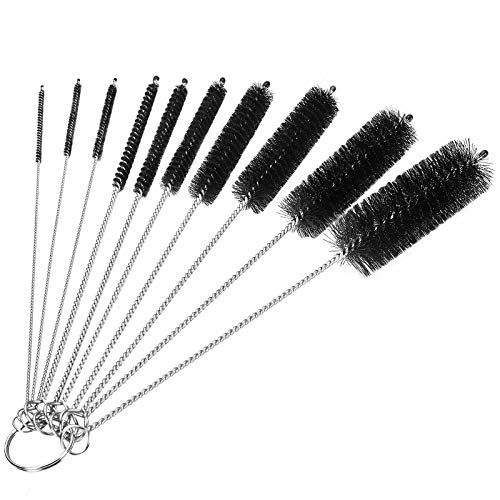
➽ Key ring keeps them together – All 10 brushes attach to a key ring for easy storage. Stainless steel body with nylon bristles and a rubber tip (no bristles on top) to protect tube bottoms.
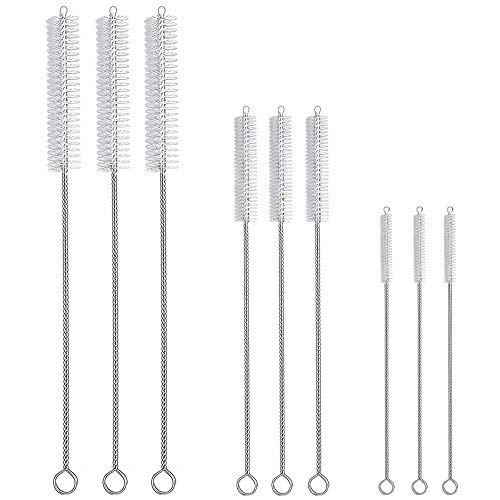
MULTIPLE SIZE – With this set of 9 straws you will get a straw with a diameter of 6 mm, 9 mm and 12 mm, and nylon bristle length of 8 in, 10 in and 12 in. Perfectly fit for 14oz 20oz 30oz 40oz Stanley Cup Straw, Tumbler, Sippy Cup, Baby Bottles, Tervis, CamelBak, Hydroflasks, Yeti, Starbucks Cup and others.

8-in-1 Value-Multi-Kit - Lumkew small cleaning brush for household use set includes crevice brush, bottle brush, groove brush, gap brush, edge brush, detailing brush, track brush, corner brush, and hole brush. Different shapes and sizes to meet different cleaner need, like cleaner to make dirty small spaces shinning