
You’re probably wondering why your AeroPress sometimes tastes thin or bitter, and you’re right to focus on temperature, grind, and timing. Use 17 g of medium‑fine coffee, heat water to 94‑96 °C, pour 220 g, bloom 20 seconds, then steep 60‑75 seconds before pressing gently for 30 seconds; this balances acidity and body. Adjust dose or grind in 1‑gram or texture‑finer steps if you need more richness or brightness—next you’ll see how small tweaks fine‑tune flavor.
AeroPress Brewing Basics: What You Need to Know
You’re probably wondering if you need a fancy kettle, but the AeroPress works fine with a range of temps. You can start at 185 °F (85 °C) as the manual suggests, or push up to 205 °F (96 °C) for a bolder cup when you lack a temperature‑controlled kettle.
What temperature should I use?
Now, the hotter the water, the faster the extraction, which brightens acidity but can add bitterness if you overshoot. Most recipes sit between 94 °C and 96 °C, giving a balanced profile without guessing.
How much coffee and water?
Here’s the thing: 16–18 g of coffee, ground medium‑fine, paired with 200–250 g of water hits the sweet spot for brew consistency. A 17 g dose with 220 g water or 18 g with 250 g are solid starting points.
Why stir and press gently?
Obviously, early agitation—about three seconds—wets every grain, preventing dry pockets that ruin consistency. Press slowly until you hear a hiss; that signals most liquid has passed through.
Takeaway
AeroPress cleaning is easy: rinse the chamber, discard the puck, and wipe the rubber seal. Consistent temperature, dose, and gentle agitation give repeatable results. Ready to set up the filter and chamber?
A proper grind size ensures optimal extraction and flavor balance. The Aeropress’s pressure‑assisted immersion creates a cleaner cup with less sediment compared to a French Press. The device’s compact design makes it ideal for travel and outdoor brewing.

Reusable, Travel-Ready Stainless Steel – The AeroPress reusable metal coffee filter is crafted from premium grade 316 stainless steel - much more durable than the 304 grade stainless steel used in other filters. Just brew, rinse and repeat wherever your brew takes you – from traveling to camping, backpacking, boating, and vacationing.

Sleek Design with Superior Heat Retention. – Our iconic 3-in-1 brewer reimagined. Double-wall vacuum-insulated 304 stainless steel chamber provides superior heat retention (no preheating required). Precisely engineered 304 stainless steel components add strength and style for a brew experience as smooth and refined as the taste of our signature brew. Designed to bring café-quality brewing and modern design to your kitchen coffee station, AeroPress Steel combines a sleek, minimalist design with a compact footprint.

Safe Electric Kettle | 304 food grade stainless steel. We tested several times that boil water to 88℃ need 220s with home edition; With commerical edition just need 192s. Faster than most electric kettles. High precision to control the water temperature. Boil-dry protection will automatically power off when burning without water.
Set Up the AeroPress: Filter, Chamber, and Mug Placement
How do I get the filter, chamber, and mug ready? First, grab a paper filter and tuck it into the filter cap, making sure the filter orientation faces downward. Rinse it with hot water to wipe away any papery taste and to help seal the cap. Twist the cap securely onto the chamber, then set the chamber on a sturdy mug—mug stability prevents tipping when you stir or press. Warm the mug with a quick splash of hot water if you like, then discard the rinse water. Separate the plunger from the chamber for now; you’ll attach it later.
Why does filter orientation matter?
The down‑facing side creates a tight seal, keeping water from leaking before you brew.
How do you ensure mug stability?
Choose a heavy ceramic or glass mug, place it on a flat surface, and double‑check that the chamber sits upright.
Takeaway: a correctly oriented filter and a stable mug set the stage for a smooth brew. Next, you’ll decide on the right coffee dose and grind for your roast.
Using an unbleached paper towel as a temporary filter can work in emergencies, though it may affect flavor.
Choose the Right Coffee Dose and Grind for Your Roast
If you’re wondering why the dose and grind feel so mysterious, you’re not alone—many coffee lovers hit a wall here.
How much coffee should I use?
Start with 15‑18 g for most roasts; light beans often need a slightly larger dose or a stronger 1:12 ratio, while dark beans benefit from a lighter 1:16 ratio to avoid harshness. This Roast‑specific dosing lets you fine‑tune strength before tweaking grind.
What grind texture works best?
Medium‑fine, like table‑salt, is the default. Light roasts can handle a finer grind for clarity, medium roasts stay happy at medium‑fine, and dark roasts usually prefer a coarser texture to keep bitterness in check. That’s Grind‑texture profiling in action.
When do I adjust?
If the brew tastes flat, raise the dose or grind finer. If it’s bitter, lower the dose or go coarser. A tough plunge signals a grind that’s too fine.
Takeaway: Match dose and grind to roast intensity, then tweak based on taste. Next, consider how water temperature and quality will affect your extraction.
For optimal results, pay attention to the extraction time and adjust your grind accordingly.
A standard coffee scoop typically holds 7–8 grams of ground coffee, which can help you measure dose more consistently.
Consistent grind uniformity is crucial for preventing channeling and achieving balanced extraction.

【Adjustable Grinding Precision】There are seconds marks above the timing knob, from coarse to fine. You can choose the precision of powder according to your needs.
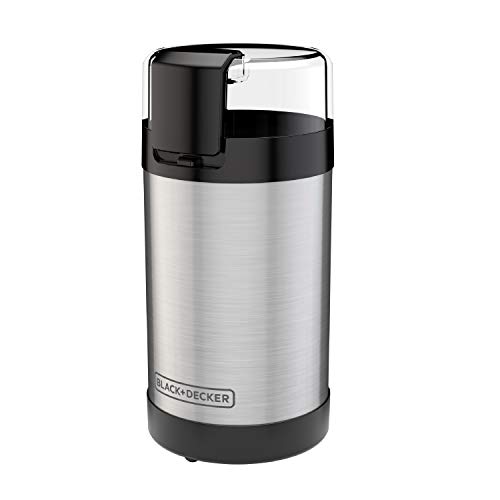
STAINLESS STEEL BLADES AND BOWL - The sharp blades and durable grinding bowl are built to last, delivering uniform grinds with every use

REDUCE CLUTTER WITH HIDDEN CORD STORAGE: Hideaway cord storage under the base keeps cable neat, concealed when not in use; this small coffee grinder is quieter than leading competitor
Select Water Temperature and Quality for Optimal Extraction
Now that you’ve nailed the dose and grind, the next piece that trips people up is water temperature and quality.
What temperature should I use?
You’ll want 175 °F (80 °C) for dark roasts, 185 °F (85 °C) for medium, and up to 95 °C for light beans. Lower temps highlight sweetness, higher temps boost body and clarity. Use a thermometer, bring water to a boil, then let it cool to the target. Pre‑heat the AeroPress and mug to keep temperature stable while you brew.
How does water mineral content matter?
Balanced water mineral levels help extraction; too hard mutes acidity, too soft yields a thin cup. If tap water tastes metallic or chlorinated, filter it. Aim for a neutral mineral profile—neither distilled nor overly treated.
Takeaway
Pick a temperature that matches your roast, filter for balanced minerals, and pre‑heat for temperature stability. Next, you’ll want to lock in the brew timing.
A longer steep, like the 12–24 hour cold brew method, can also enhance flavor extraction for certain coffee styles.
A quick rinse of the AeroPress after each brew helps prevent residue buildup and keeps flavor fresh.
Steamed milk creates a velvety micro‑foam that can subtly affect the perceived temperature of your coffee, making it feel warmer and richer.

For temperature measuring on water and other media which is not corrosive to brass.

Dual Scale Dial Thermometer 1/2 NPT Fitting : 0℉ to 220℉ , -10℃ to 100℃. FERRODAY dial thermometer monitor shows temperatures in both Fahrenheit and Celsius. Standard 1/2 NPT Threads(0.8" O.D.) for easy & fast installation on any brew kettle or boiling pot with ports

An economical and accurate way to measure air or water temperatures
Step‑by‑Step Brew Method and Timing Guide
When you’re unsure how long to let the coffee sit before pressing, you’re not alone—timing is the trick that separates a flat brew from a balanced cup.
How long should I wait before I press?
You’ll start the timer as soon as you pour the first 35 g of water, then add the remaining water to hit about 220 g total. Let the grounds steep for 60‑75 seconds, then insert the plunger half an inch to seal.
When do I actually press?
Press gently at 1:15 – 1:30, keeping the motion steady until you hear a hiss. A 30‑second press yields a clean flavor profile without over‑extraction.
What about keeping my gear in shape?
Rinse the paper filter, wipe the chamber, and dry the rubber seal after each brew. Proper equipment maintenance preserves temperature stability and prevents off‑notes.
The Aeropress uses an inverted brewing technique for better immersion. Takeaway: Stick to a 60‑75‑second steep, then press for about 30 seconds. Next, experiment with stirring intensity to fine‑tune your cup.
Understanding extraction dynamics helps you balance strength and clarity in every brew.
Adding a nitrogen infusion step can further smooth the texture, similar to the creamy mouthfeel achieved in nitro cold brew.
Stirring and Agitation: How Long and How Vigorously?
You’re probably wondering whether a quick swirl or a longer mix makes the difference between a flat cup and a bright one. The key is to fully saturate every coffee particle after you add water, so a brief, purposeful stir usually does the trick. Most AeroPress guides suggest a stirring duration of about five seconds of gentle, back‑and‑forth motion; some recipes stretch to 15‑20 seconds or 20‑30 strokes for a stronger extraction.
Here’s the thing: Agitation intensity matters more than sheer speed. A controlled, linear stir blends the slurry without splashing, while aggressive circular whisking can lift fines and muddy the cup. Aim for moderate intensity—enough to eliminate dry pockets but not so vigorous that you create excess sediment.
All right, keep it consistent. Count your strokes or time it, then settle the slurry with a light swirl before pressing. The takeaway? A short, steady stir at moderate intensity balances flavor and clarity. Next, you’ll want to master the pressing technique. Using a medium‑fine grind ensures optimal extraction; grind size should be fine enough to allow proper saturation but not so fine that it over‑extracts. Proper water temperature is crucial for achieving the right balance of solubles. A fine grind also helps generate higher pressure during extraction, which is essential for a rich crema.
Pressing Technique: Pressure, Speed, and Avoiding Channeling
How much pressure should you actually use when you press the AeroPress? You want a gentle, even plunger that feels like a light push, not a forceful slam. If the plunger meets steady channel resistance, you’re in the sweet spot; a sudden spike means the grind is too fine or the puck is overly compacted.
Now, what about speed? Aim for a controlled 20‑30‑second plunge. A slow, steady descent keeps the flow stable and prevents the grounds from shifting, which would create uneven channels.
All right, how do you avoid channeling? Keep the plunger centered and press straight down, using body weight lightly. This even force distributes water across the coffee bed, minimizing preferred paths.
Use a consistent grind size to ensure uniform extraction and prevent excessive resistance.
high‑pressure extraction is essential for true espresso, but the AeroPress can approximate a rich, espresso‑like cup with proper technique.
Takeaway: gentle pl pressure, steady resistance, and a slow, centered plunge give you a clean, balanced cup. Ready to fine‑tune your brew time next?
A proper grind size also helps maintain the optimal brew temperature for consistent flavor.
A well‑maintained burr grinder ensures the grind size stays consistent, which is crucial for achieving the right extraction balance.
Adjusting Flavor: Brew Time, Dose, and Grind Tweaks
How do I balance brew time, dose, and grind to hit the flavor I want? You’re probably wondering why a minute feels thin while three minutes feels heavy. The answer lies in tweaking one variable at a time and listening to your palate.
What brew time should I start with?
Start with 1:30 and note the flavor profile. Shorten to 60 seconds for brightness; extend to 2:45 for body. Keep the dose at 17 g and the grind medium‑fine, like table salt, for consistency.
How does dose affect taste?
A 15‑g dose yields a light cup; 20 g adds richness. Adjust in 1‑gram steps, then re‑taste. If the coffee feels sour, try a finer grind or longer steep; if it’s bitter, coarsen the grind or shorten the brew.
What grind consistency matters?
Use a burr grinder to hit the same particle size each brew. Finer grinds slow flow, boosting extraction and intensity; coarser grinds speed flow, enhancing clarity. Record every change so you can return to the best‑tasting recipe.
Takeaway:
Control brew time, dose, and grind one at a time, taste, and note the impact on your flavor profile. Next, experiment with water temperature to fine‑tune the balance. Use a kettle] to achieve the recommended 94 °C water temperature. Coffee‑to‑water ratio is essential for consistent strength.
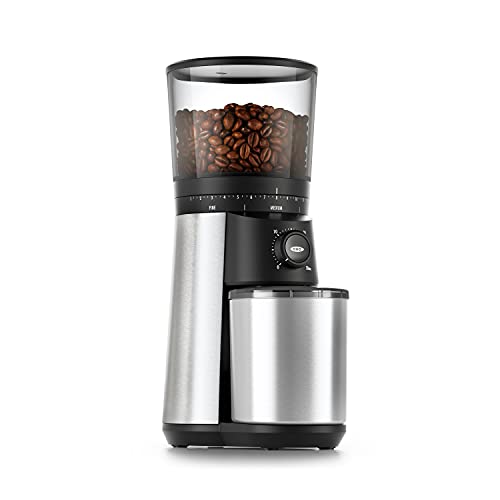
40mm stainless steel conical burrs: Precision grinding system produces uniform coffee grounds to ensure even extraction for rich, balanced flavor in every cup.

Supercharging Performance & Long-Lasting Battery – Equipped with a high-capacity 2000mAh battery that delivers 33% more runtime than the previous generation. The upgraded motor grinds coffee beans 1.8 times faster, ensuring rapid and efficient operation with every use

Slim, powerful grinder with precise settings from fine to coarse, with 15 settings and 29 micro-adjustments
Common AeroPress Issues and Quick Fixes
One common frustration is the coffee dripping before you even press—it feels like the AeroPress is leaking. You’re probably seeing a weak pressure seal caused by filtergasket wear or an imperfect vacuum. Insert the plunger just enough after pouring; that creates a seal and stops the drip.
Why does the plunge feel like a workout? Too‑fine grind or filtergasket wear adds friction. Switch to a coarser grind, clean the rubber seal, and replace the gasket every few months. A smooth pressure seal lets you press in 20‑30 seconds without strain.
If the brew tastes sour or weak, the flow is too fast. Use two paper filters or try the inverted method to increase resistance and extraction time. Adjust grind size until the cup balances.
Takeaway: maintain a good pressure seal, replace worn gaskets, and fine‑tune grind and filter choices. Next, you’ll want a quick reference cheat sheet for the perfect one‑page AeroPress recipe.

High Quality Paper Micro-Filtration – Biodegradable, compostable paper coffee filters made from white, chlorine-free, food-safe paper for a flavor profile free of papery, chemical taste. Ultra thin, tightly woven with micro-sized holes that filter and catch coffee grounds stopping them from passing into your cup. Zero grit.

【WHAT IT IS】:The package includes 2 × coffee replacement filter cap. press filter holder allows some of the natural oil in the coffee to flow into the final cup. The filter paper will block these essential oils and aromas, making your coffee slightly inferior to perfect coffee. Enjoy the benefits of natural spices and oils, they have a stronger flavor and aroma.

Precise Fit for Seamless Performance: Ensure optimal performance and a perfect seal with this replacement gasket, designed and manufactured to be fully compatible with all models of the Aerobie Aero-Press coffee and espresso maker. It seamlessly replaces the original plunger seal, restoring your brewer to its like-new functionality for a smooth, leak-free press every time
Quick Reference Cheat Sheet: One‑Page AeroPress Recipe
You’re probably wondering how to turn all those brewing details into a single, easy‑to‑follow sheet, and you’re right to ask. The cheat‑sheet starts with dose, grind, water temperature, and total water volume—think 15 g coffee, 220 g water, medium‑fine, 92 °C. Then list the steps in order: rinse filter, add coffee, pour water, stir, steep, press. Show bloom time (20‑30 s), total steep (1:45‑2:00 min), and plunge (15‑30 s). Mark the brew method as standard or inverted and note if you’ll dilute after pressing. Aeropress Inverted is especially useful for those who prefer a richer, fuller body. What does this give you? A quick reference that locks in a balanced flavor profile without guessing.
Takeaway: Keep the sheet on your counter, follow the numbers, and you’ll hit the same great cup every time. Ready to try the 17 g‑to‑220 g version now?