
A milk frother traps air inside milk, creating bubbles that proteins stabilize into foam—the silky texture you see baristas pour. You’ve probably watched them hold a steam wand at an angle, forcing air while heating. Here’s the thing: you don’t need fancy equipment. Manual hand-pumps cost $15, electric whisks work portable, or automatic jugs heat and froth simultaneously. Temperature matters too—aim for 60–65°C to avoid scorching. The type you choose depends on how often you’re making lattes and whether you want convenience or simplicity.
What Is a Milk Frother and Why You Need One
Ever wondered how coffee shops get that velvety layer of foam on top of your latte while yours just looks like hot milk? A milk frother is a simple kitchen tool that transforms ordinary milk into creamy, airy foam—the exact texture that makes café drinks taste expensive.
Here’s the thing: you’re adding air and heat to milk, creating that light, luxurious mouthfeel you crave. Manual frothers use hand-pumping action. Electric handheld models whisk quickly. Automatic countertop devices handle everything for you. All three produce results, though they differ in speed and foam texture.
Beyond aesthetics, frothers actually make your drink better. They work with dairy and non-dairy milks alike. Most require minimal foam cleaning afterward. You’ll make café-quality lattes, cappuccinos, and macchiatos at home in minutes—without professional equipment taking up space. You can also achieve similar foam by using a French press to pump air into heated milk. Understanding protein content helps you choose the right oat milk for optimal foam. The fat ratio in bar‑strength almond milk is key to achieving stable, velvety foam.
How Milk Frothers Create Foam
The magic behind café-quality foam comes down to one simple process: you’re trapping air inside milk, not just mixing it in. Your frother forces air bubbles into the liquid through whisking, spinning, or steam pressure.
Now, here’s where milk proteins become essential. When you heat milk during frothing, protein denaturation occurs—proteins unfold and wrap around each bubble surface. This creates a protective scaffold that holds your foam together and slows collapse.
Steam wands excel because they combine both air and heat, producing incredibly small bubbles for silky microfoam. Non-steam frothers use mechanical agitation instead, often creating larger bubbles. The bubble stabilization from proteins is what separates milk from water—water simply can’t foam because it lacks this protein network.
Temperature matters too. You’ll want to hit 60°C to 65°C for balanced results. That’s your sweet spot for flavor and foam quality. Using whole milk can enhance foam stability due to its higher protein content. Regularly cleaning the steam wand prevents milk residue buildup that can degrade foam quality over time. For optimal texture, consider the milk temperature range when frothing.
Manual vs. Electric Milk Frothers: Which Fits Your Routine?
Manual frothers cost almost nothing and work great if you’re patient. You’ll spend 20–60 seconds pumping, but you’re saving money. Electric models heat and froth simultaneously, perfect for busy mornings when you’re brewing multiple drinks. They cost more upfront but eliminate the effort entirely.
Are you frothing daily or occasionally?
Handheld frothers suit occasional drinkers who value portability. Electric frothers reward routine latte lovers with consistent results and less hands-on work. Manual frothers fit minimalist setups where simplicity matters more than speed.
What’s your actual kitchen space and morning pace? pre‑chilling the frother improves foam stability and texture. Adding a micro‑foam technique can elevate the mouthfeel of any coffee beverage.

CREAMY VELVETY FROTH IN SECONDS: Making coffee-shop-style recipes at home is as simple as it can be with this milk frother. The 13,000 RPM motor and 25 spiral rings on the frother let you whip up rich foam in no time. Level up your day with this frother for protein powder, warm or cold coffee, latte, cappuccino, hot chocolate, matcha, and powdered drinks.

3-Speed Adjustable Settings – Customize your mixing experience with low, medium, and high speeds: low for silky milk foam, medium for smooth batters, and high for quick whipping, meeting all your daily beverage and baking needs

4-in-1 Multifunctional: Customize your favorite café-style drinks at home with this versatile milk frother. Choose from warm dense foam, warm airy foam, or cold foam; It also warms milk to approximately 150℉
Automatic Milk Frothers: Heat, Froth, and Convenience
If you’ve ever watched someone manually pump a milk frother for a full minute, you’ve probably wondered whether there’s a smarter way—and that’s where automatic frothers come in.
You pour cold milk into the jug, hit a button, and walk away. The machine heats your milk to 140–160°F while a whisk spins and incorporates air, creating microfoam in about 1–3 minutes. You get consistent results every time without learning steaming technique.
Here’s the thing: most models offer multiple settings. You can hot‑froth for lattes, cold‑froth for iced drinks, or just heat milk without foam. That versatility means you’re not locked into one beverage style.
Convenient cleanup matters too. Detachable components and non‑stick interiors make rinsing quick. Energy efficiency comes standard—these machines only run during active cycles, never idling.
A simple mason‑jar shake can also produce decent foam, but it lacks the temperature control of automatic frothers.
Using a coarse grind can prevent over‑extraction when brewing coffee in a French press.

Rich & Creamy Milk Froth for Coffee Drinks: Create smooth, velvety milk foam with this electric milk frother, perfect for cappuccinos, lattes, macchiatos, iced coffee, and more—delivering café-style results at home with ease

4 Functions: Cold foam, light warm foam, dense warm foam, or simply warm up your milk, all in one stunning barista-quality appliance.

Rich and Creamy Milk Froth: This frother quickly makes a smooth and velvety milk foam for your cappuccinos, lattes, macchiato, iced coffee and other beverages
Milk Frother Steam Wands: Professional-Grade Frothing Power
Steam wands—those thin metal tubes you’ll find on espresso machines—deliver professional-grade frothing power that standalone frothers simply can’t match. You inject hot steam directly into cold milk, heating and aerating simultaneously to create microfoam with tiny, velvety bubbles perfect for latte art.
How You’ll Master the Technique
The process demands coordination. You’ll introduce air briefly, then submerge the wand deeper to build texture through swirling. This two-stage approach produces denser, smoother foam than mechanical frothers—and the milk tastes sweeter and creamier.
What You Need to Know About Control
Temperature control matters enormously. Push past 154°F and you’ll scorch the milk’s flavor. Steam wand maintenance—purging and wiping after use—prevents residue buildup that degrades performance.
Your Real Advantage
Once you develop the feel, you’re working fast and achieving consistent results. This is why cafés rely on steam wands. The boiler pressure in espresso machines ensures consistent steam temperature for optimal frothing. Regular descaling helps maintain steam efficiency and prolongs the machine’s life. A pressure pump provides the necessary force to generate steady steam flow.

Gentle 3.5Bar Extraction & Instant 800W Heat: Optimized low-pressure system reduces bitterness and acidity, delivering a noticeably smooth, mild flavor. Paired with an 800W fast-heating system, it reaches brew-ready temperature in short time for an efficient morning routine
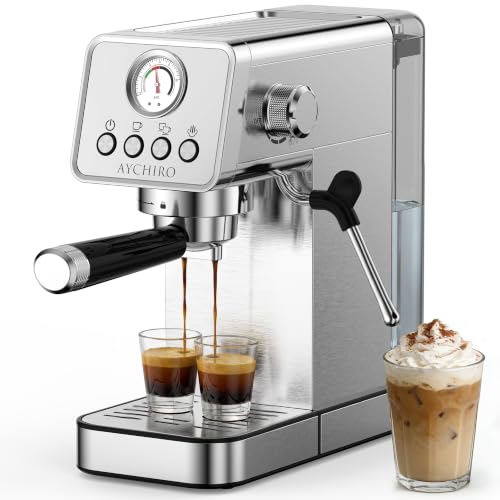
Professional 20-Bar Pressure: Brew barista-quality espresso at home. The 20-bar pump extracts rich, aromatic shots with perfect crema—authentic flavor in every cup

Make Your Favorite Espresso Coffee At Home: The CASABREWS coffee machine with milk frother allows you to prepare all your favorite espresso-based coffees. You can enjoy a barista-brewed latte, cappuccino or macchiato at home. Stainless steel appearance, stylish and durable, ideal for any size kitchen. This compact espresso coffee maker is perfect for home or office use
Choosing Your Frother: A Side-by-Side Comparison
Budget handheld frothers cost the least and clean up fast, but they don’t heat milk. Jug frothers automate everything, heating while frothing, though they’re pricier and bulkier. Manual frothers need zero electricity—great for eco‑friendly materials and minimal waste.
The hidden costs
Check warranty coverage before committing. Heated units require more maintenance, so solid warranties matter. Simple handheld whisks rarely break.
Think about your routine: casual foam means handheld works fine. Frequent lattes? Invest in heating capability. Your actual habits trump any feature list. The capsule chamber design ensures consistent temperature control across brewing cycles. The high‑pressure extraction principle behind espresso explains why a French press cannot truly replicate espresso’s crema. A compact pump system in many espresso machines delivers the necessary 9 bar pressure for authentic crema.

【BARISTA-QUALITY 4-IN-1 FOAMING】 Equipped with a powerful 500W motor and up to 3400 RPM whisking speed, this electric milk frother and steamer effortlessly creates 4 custom coffeehouse styles in 2–3 minutes: Thick Warm Foam (Cappuccino), Airy Light Foam (Latte), Silky Hot Milk/Chocolate, and Refreshing Cold Foam for iced beverages.
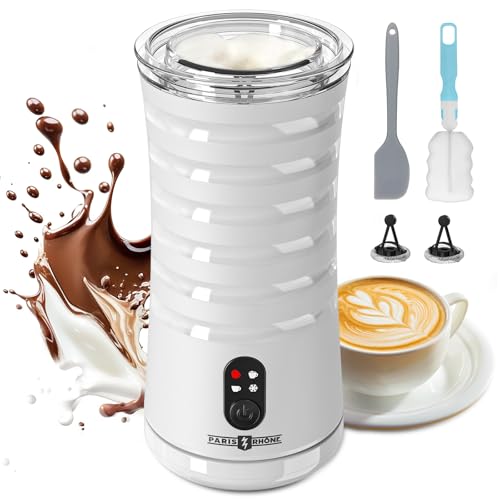
Elegant Eiffel Tower Silhouette: Inspired by the iconic architecture of the Paris Eiffel Tower, this electric milk frother from Paris Rhône is a visual delight that will add a classic appeal to any kitchen worktop. The ergonomic shape ensures that the device is non-slip and easy to grip and operate.

The Breville Milk Café milk frother ensures the ultimate rich and creamy hot drinks. Simply choose the frothing disc, add milk, select your temperature, hit start, and get ready for beverage perfection
Mastering Microfoam: Step-by-Step Techniques
Why does microfoam look so different from the stiff, bubbly foam you see in some coffee shops?
You’re creating a glossy, paint-like emulsion—not stiff peaks. The distinction matters because microfoam consistency determines how your latte art flows and how smooth your drink tastes.
Start with cold milk around 4°C. Position your steam wand just below the surface and listen for that gentle “tss tss” sound. Aerate for about 3–5 seconds, then lower deeper to create a vortex. Maintaining the vortex throughout heating ensures consistent microfoam texture essential for both latte art and drink quality.
The grind size of espresso beans influences the pressure needed for proper extraction, which in turn affects the steam wand’s ability to create fine microfoam.
Temperature control comes next. Keep spinning the milk while heating until it feels too hot to hold. Stop around 60°C, and you’ve nailed it.
Tap the pitcher gently to release trapped bubbles, swirl, and pour immediately for best results.
Before storing the machine, be sure to unplug the cord to prevent any electrical hazards.
Regular descaling removes mineral buildup that can otherwise impair steam wand performance.
Frothing Plant-Based Milks Without the Fail
Plant-based milks won’t froth the same way cow’s milk does—and that’s not a flaw you need to fix, it’s a different game entirely. You’re working with different chemistry here.
Which plant milk actually froths?
Protein ratios matter most. Soy milk dominates because it packs roughly 3–4 grams per cup—enough to build stable microbubbles when you heat it. Almond and oat milks work too, especially “barista blend” versions engineered with higher protein and stabilizer choice.
Temperature shifts everything
You’ll want 131–149°F, not the 160°F you’d use for dairy. Soy handles heat best up to 65°C. Almond milk gets unstable above 55°C, while oat and coconut separate easily when overheated.
Your move: Check nutrition labels. Higher protein and stabilizers predict better results. Brand matters—test a few.
Espresso can trigger the gastrocolic reflex by stimulating the colon, which may affect how quickly froths settle in a cup.
Comparing Capacity, Speed, and Heat Function
Once you’ve nailed the milk choice, you’ll realize that capacity, speed, and heat range are what actually separate a frother that fits your life from one that frustrates you.
Capacity determines how many drinks you’ll make per cycle. The Aeroccino 3 and 4 handle 120 ml for froth—roughly one cappuccino. The XL jumps to 225 ml, letting you batch multiple servings. Smaller frothers win on counter space; larger ones win on efficiency.
Speed matters during your morning rush. Most electric frothers complete a cycle in 60 to 80 seconds. That’s fast enough that you won’t abandon the machine halfway through. The XL’s larger volume extends heating time beyond 2 minutes, making it better suited for batch preparation than single-drink haste.
Heat range separates one-trick ponies from versatile tools. Fixed-temperature modes simplify use, but adjustable heat lets you dial in 55°C to 75°C for lattes, hot chocolate, and beyond. All Aeroccino models target approximately 70°C to ensure optimal milk texture and taste consistency.
Pick the Right Milk Frother for Your Coffee Setup
Finding the right frother feels overwhelming because you’re juggling type, capacity, foam style, and power source all at once—but here’s what makes this easier: you only need to match your frother to how you actually use it.
Start by honestly evaluating your setup. Do you make one cappuccino daily or run a dedicated espresso station? Handheld frothers suit quick single drinks, while electric jug frothers handle repeat use better. Next, consider your drink menu. Microfoam demands steam wands or premium models; thick foam works fine with basic handhelds.
Now factor in portability and cleanup. Battery-powered handhelds travel easily. Nonstick jugs with removable whisks simplify washing. Check the warranty duration—it signals manufacturer confidence. Design aesthetics matter too; you’ll actually use equipment you enjoy looking at.
Match these priorities, and you’ll skip buyer’s remorse entirely.

FOUR MODES FOR EVERYDAY MILK DRINKS - Capp makes more warm foam for cappuccinos, Latte makes less warm foam for lattes, Choco heats and stirs slowly for hot milk or hot chocolate with little foam, and Cold froths cold or room-temperature milk without heating. Choose the matching program for the drink you want to make.
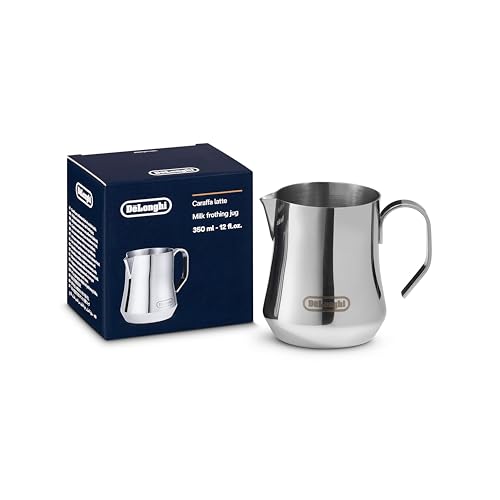
Stainless Steel Milk Frothing Jug

【Food Grade Material】This milk frothing pitcher is made of high-quality 304 stainless steel, which is rust proof, stain proof, and heat resistant. It has a stylish appearance and is very easy to clean after use.