
Insert a blind filter into the portafilter, lock it in the group head, and run a brew cycle for about ten seconds; stop, release pressure, and repeat five times to build pressure and flush oils. Rinse the blind filter, then run a short water‑only cycle without the portafilter to clear the group head. For a monthly deep clean, add half a teaspoon of espresso‑machine detergent to the blind filter, repeat the on/off cycles 5‑8 times, rinse thoroughly, and finish with a few water‑only cycles. Continue and and you’ll uncover detailed troubleshooting and scheduling tips.
Why Espresso Machine Backflush Matters
Because coffee oils and fine residue accumulate in the narrow passageways of your espresso machine, regular backflushing is essential to keep those internal routes clear and prevent hardening buildup. You’ll protect internal pathways, keep the three‑way valve and drain path flowing, and avoid solidified oil crusts that can block drainage. This routine safeguards fl preservation, ensuring the pump and valves experience less stress and retain longevity. Clean passages also preserve taste consistency; stale oils and baked‑on residue would otherwise leach bitterness, rancidity, or off‑flavors into every shot. By flushing water daily and applying detergent weekly, you remove hidden buildup that normal brewing misses, maintaining reliable pressure release and a fresh‑tasting espresso every time. Regularly cleaning the steam wand prevents milk residue buildup that could affect flavor and hygiene. Additionally, using a descaling solution monthly helps prevent mineral deposits that can impair water flow and pressure stability. Understanding the role of the portafilter in directing water flow is crucial for effective backflushing.
Can My Espresso Machine Be Backflushed?
Oil and residue buildup in the brew circuit makes backflushing a key maintenance step, but you can only perform it if your machine is built for it. First, verify compatibility by locating a three‑way solenoid valve; this valve provides pressure relief by diverting brewing pressure into the drip tray during the backflush cycle. If the valve is missing, the machine lacks a safe pressure‑relief path and you should not backflush. Next, check the group‑head design—commercial‑style E61 heads, heat‑exchangers, and dual‑boilers usually support backflushing, while lever‑type or basic pump systems often do not. Consult the owner’s manual for a definitive answer; it will list approved blind basket sizes, cycle length, and any detergent restrictions. Finally, guarantee a blind basket or backflush disc fits securely; without a proper fit, pressure can’t build, rendering the process ineffective. If any of these checks fail, avoid backflushing to protect the machine and warranty. The nine‑bar pressure generated by the pump is essential for extracting the coffee’s flavors and crema.
Espresso Machine Backflush Tools & Supplies
What tools and supplies do you need for a proper espresso machine backflush? You’ll need a blind filter basket or backflush disc that fully covers the basket’s expulsion holes, a portafilter to hold it, and a detergent dose of about 3 g (½ tsp) of espresso‑machine cleaning powder such as Cafiza. Keep a detergent brush handy to scrub the group head gasket and bayonet ring before the cycle. A teaspoon or scoop lets you measure the powder accurately, while a basket ejector tool or stubby screwdriver helps free a stuck basket. Use a drip tray to catch expelled water and foam, and have a sink ready for rinsing the portafilter after the detergent flush. This kit guarantees a clean, efficient backflush every time. The backflush disc must cover the group’s three‑way valve to ensure proper pressure relief. Consistent water temperature is essential for optimal extraction.

Wide range of compatibility- Fits Breville Espresso Machines BES870XL/ BES878BSS/ BES880/ BES840XL/ BES810BSS etc. Also suitable for other 54mm espresso machines.

【For Breville/Sage】The cleaning disks are exactly the same as the latest original accessories of the Breville coffee machine.There is no water outlet in the center of the latest accessories, don’t worry, there is a backflow device inside your machine.
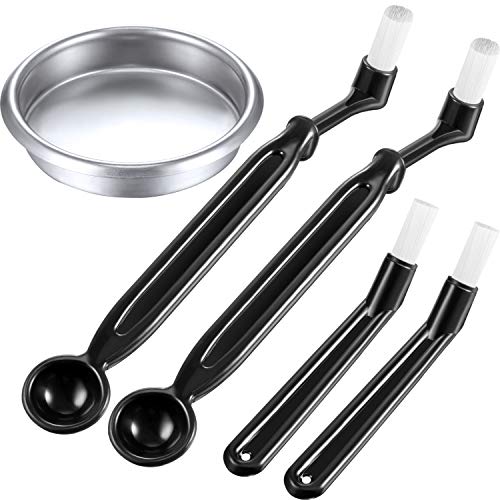
Function: the sturdy stiff thick nylon bristles brush can clean what coffee remains and your coffee grinder burr blades easily, fit for coffee grinder, espresso machine, milk frothers, bean grain and coffee maker
How to Perform a Daily Clear‑Water Backflush
When you finish a brewing session, run a quick clear‑water backflush to sweep out loose grounds, oils, and residue from the group head. First, place a blind filter in the portafilter and lock it into the group. Start the brew cycle for about ten seconds, then stop and let the water pressure release. Repeat this on/off sequence five times, which constitutes the daily routine. After the final cycle, remove the portafilter, rinse the blind filter under running water, and run a brief brew without the portafilter to flush the group head. Finally, wipe the shower screen and gasket, and clean any water that collected in the drip tray. This short, pressure‑controlled flush keeps the machine clean between detergent cleanings. Regular descaling also helps prevent mineral buildup that can impair the efficiency of the brew head over time. The high‑pressure pump delivers up to 19 bar of force, ensuring thorough cleaning.
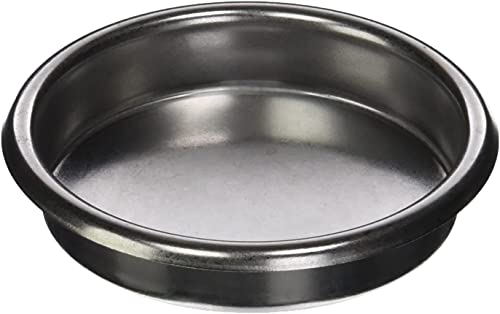
Material: Metal

Wide range of compatibility- Fits ninja luxe cafe espresso machine, Ninja ES607 machine, Breville Espresso Machines BES870XL/ BES878BSS/ BES880/ BES840XL/ BES810BSS etc. Also suitable or gruppo izzo, spaziale, san marco, wega

1.58mm Backflush Inser, Backflush Filter Espresso, Stainless Steel Back Flush Blind Filter Basket Fits for Breville Gaggia Classic and other Espresso Machines Espresso Cleaning Disc.
Monthly Detergent Backflush: Full Procedure
If you’re ready to give your espresso machine a deep clean, start the monthly detergent backflush by loading a blind filter into the portafilter, adding roughly ½ teaspoon (≈ 3 g) of a dedicated espresso‑machine cleaner, and locking it into the group head. Choose the proper filter choice—blind filter or blind basket—based on your machine’s portafilter design. Use the tool that fits your group head, then activate the brew cycle for about ten seconds and stop to release pressure. Repeat the on/off sequence five to eight times, adjusting for grime level. Remove the portafilter, rinse the basket under running water, and discard the spent detergent. Finally, re‑insert a clean blind filter, run a few short cycles to clear residual chemicals, and you’ve completed the monthly detergent backflush. Blind basket ensures proper sealing during the cleaning cycle. Regularly following the monthly backflush schedule helps maintain optimal brew group performance. Always wear protective gloves when handling cleaning chemicals to prevent skin irritation. Proper water temperature is crucial for extracting balanced flavors from espresso.
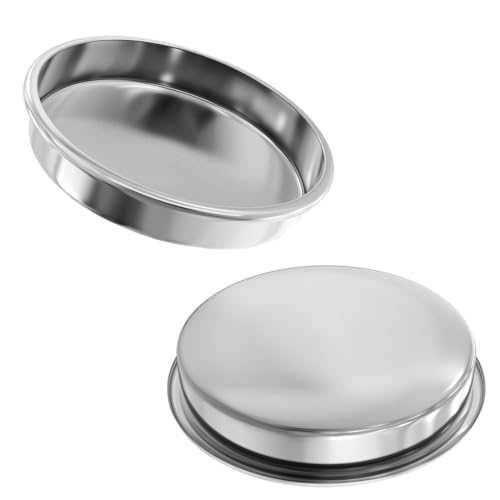
Wide Usage - The 22.8 Backflush Filter Espresso Inches Backflush Inser, Stainless Steel Back Flush Blind Filter Basket Fits for Breville Gaggia Classic and other Espresso Machines Espresso Cleaning Disc. It is an excellent replacement for recoil inserts


【Perfect Fit & Wide Compatibility】This 51mm backflush insert basket is designed to fit perfectly into 51mm portafilter baskets. It's an essential accessory for most of espresso machines and many other commercial and home models with a 51mm group head. A must-have among your 51mm espresso accessories.
Rinsing & Verifying Cleanliness After Detergent Use
After the detergent backflush, you must remove the portafilter, discard any residue, and run several water‑only cycles to purge the group head. Pull the blind filter, rinse it under running water, then start a brew cycle with the portafilter off. Perform three to five water‑only backflushes until the discharge is clear, showing no cloudy or foamy water. Inspect the group head, shower screen, and gasket for any detergent residue; a group head brush can scrub the bayonet ring if needed. Wipe the exterior with a damp microfiber cloth. Verify the rinse by confirming that water runs clean, there’s no suds or cleaner odor, and the portafilter and basket are spotless. If any residue remains, repeat the water‑only flush. Regular descaling prevents mineral buildup and maintains optimal pressure, which is essential for consistent espresso quality. mineral buildup is a key factor in machine performance. Regular scale removal helps extend the life of the espresso machine and ensures consistent flavor extraction. Using a standard coffee scoop of 7–8 grams can help you measure the correct amount of coffee for each backflush cycle.
Espresso Machine Backflush Troubleshooting
Even a perfectly timed backflush can stumble if pressure never builds, the valve never releases, or detergent residue lingers; these symptoms usually stem from a missing **blind filter, an improperly engaged brew switch, a weak group gasket, a cold machine, or a blocked relief path. First, verify the blind filter is seated; a missing disc lets water bypass the pressure valve, preventing pressure buildup. Check the brew switch holds for 5–10 seconds; too short a pulse yields inconsistent pressure and pump strain. Inspect the solenoid valve and group gasket for coffee oils, scale removal needs, or debris that cause valve lag. Run a water‑only backflush cycle, then a detergent cycle, and finish with two rinse cycles to clear cleaning residue. If air bubbles or valve lag persist, disassemble the valve pump for thorough valve cleaning and replace worn gaskets. Consider the environmental impact of disposable capsules when evaluating the overall sustainability of your coffee routine. Regular descaling prevents mineral buildup** that can impair valve function and reduce pressure stability.

【COMPATIBLE MODELS】Water Filter for Breville Espresso Machine Barista Touch BES880, Barista Touch Impress BES881, Breville Barista Pro BES878, Breville Oracle Touch BES990BSS, Breville Oracle BES980, Breville Dual Boiler BES920, Part Number # BES008WHT0NUC1

SUITABLE FOR MOST OF BREVILLE MACHINES - Well -designed for all Breville machine models: BES980XL, BES920XL, BES900XL, BES860XL, BES870XL and BES840XL infuser espresso machine, BKC600XL and BKC700XL gourmet single cup brewer
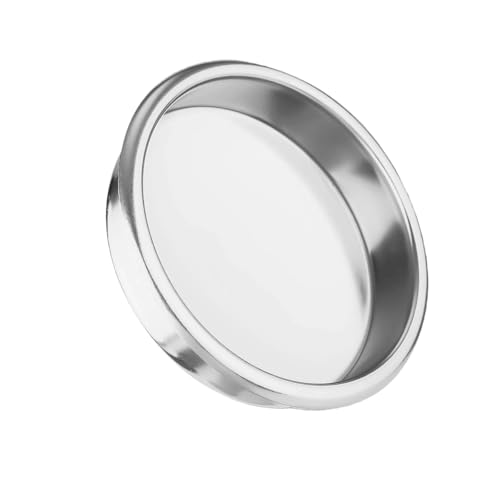
Backflush disc for back flushing group heads. Place Into Portafilter To Backflush Machine.
Espresso Machine Backflush Schedule & Frequency
A clean pressure build‑up is only half the battle; you also need a regular backflush rhythm to keep oil and scale from choking the group. For home users, water‑only backflushing after every session or at day’s end works, while detergent frequency should be bi‑weekly to monthly, depending on shot volume. Moderate use (10–50 shots weekly) fits a weekly water flush plus a monthly detergent cycle; light weekend use can stretch detergent cleaning to six‑to‑eight weeks. Commercial cafés demand daily water backflushing and detergent every two weeks because of high‑volume extraction. Optimize your schedule by matching machine type: three‑way solenoid valves tolerate routine cycles, E61 heads need less frequent detergent to preserve lubrication. Watch extraction time and flavor; if shots turn bitter or slow, tighten the schedule. Choosing the right backflush interval can also affect the longevity of the brew group and overall machine performance. Consistent tamping pressure of 30–40 lb helps maintain stable flow, reducing the need for frequent backflushing. Proper water temperature is essential for extracting balanced espresso and preventing scale buildup.

What You Get: You will receive 2 blind backflush baskets and 12 espresso cleaning tablets. Basket dimensions: top outer diameter 2.68in/68mm, inner diameter 2.28in/58mm, bottom outer diameter 2.36in/60mm, height 0.63in/16mm.
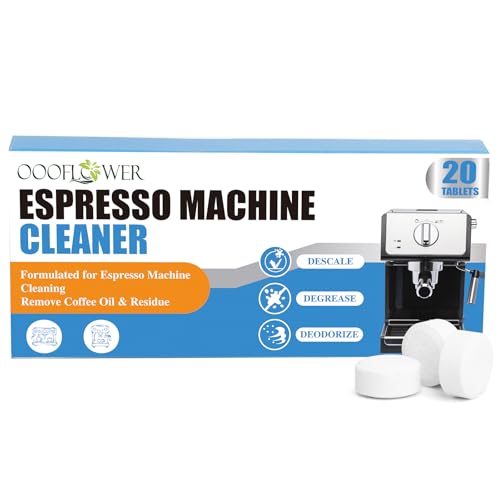
[20 Count Value Pack] This package comes with 20 cleaning tablets, these coffee pot descaler cleaners offering long-term use for regular machine maintenance. coffee pot descaler cleaner is more cost-effective than small packs, sachets, powder or other cleaning products, providing reliable cleaning at a better value.

Package Contents: 4 x Blind Filter for Espresso Machines(2pcs 50mm + 2pcs 57mm)