
You’re probably wondering why a Moka pot can turn simple water into espresso‑like coffee, and the answer is steam pressure. When you heat the lower chamber, water boils and creates steam at about 0.5 bar, then climbs to 1–1.5 bar as temperature hits 95–120 °C; this pressure forces the hot water up through the coffee grounds, extracting flavor before it exits through the spout. The key is a tight seal, a well‑packed medium‑fine grind, and watching for the first sputter to stop before over‑extraction. If you keep those variables steady, you’ll get a balanced brew—next, you can fine‑tune grind size or dose for your taste.
Pressure Generation & Water Flow in a Moka Pot
How does the pressure actually build up? You heat the lower chamber, turning part of the water into steam. That steam expands, compressing the remaining liquid upward, and brew pressure starts near 0.5 bar (7.5 PSI) before any coffee reaches the top. As heat continues, pressure can climb to 1.5 bar (20 PSI) and, if you over‑heat, even 2 bar (22.5–30 PSI).
All right, the steam dynamics push hot water through the central spout and into the coffee bed. The water fights gravity, not a pump, and a steady 0.75‑1 bar range yields balanced extraction. You’ll see a smooth flow at first, then a sputtering, steam‑driven finish that can turn bitter if you let it run too long.
Here’s the thing: medium‑low heat and a moderate grind keep pressure gentle, preventing spikes that ruin flavor. When you hear the first sputter, remove the pot or run it under cold water to collapse pressure instantly.
Takeaway: controlling brew pressure and steam dynamics gives you a clean, sweet cup. Next, ask yourself how the pot’s parts shape this pressure. Stovetop espresso brewing has been a staple in Italian households for over a century. A typical brew lasts 4–6 minutes from start‑up to the first flow of coffee. Using a heat‑diffusing pad can help maintain even temperature on electric stovetops.

Note: 1)Too coarse a grind, too little coffee, or insufficiently tamping the grounds before brewing can all lead to inadequate pressure for a proper brew. 2)It is important to note that the amount of espresso extracted will vary depending on the grind size and amount and reprogramming may be needed when the size and amount are adjusted

6 CUPS = ~2-3 MUGS - Coffee makers traditionally measure a “cup” as 5 oz- this is the same marking on your kitchen drip pot. This 9 cup induction coffee percolator pot brews up to 30 oz, enough for about TWO to THREE 12 oz mugs. Know your brewing capacity before you head to camp.

Moka Espresso Coffee: Stovetop espresso maker, Moka pot, & manual coffee percolator machine. Available in 3-cup, 6-cup, 9-cup and 12-cup sizes. The stove top percolator makes home espresso like a barista. It's easier to use than an electric espresso machine and makes a rich cup of espresso mocha.3 cup, 6-cup, 9-cup and 12-cup expresso coffee pot, stove top size, food grade aluminum Espresso Moka coffee pot.
Key Parts of a Moka Pot and Their Brewing Roles
You’re probably wondering why the pressure you just read about matters when you look at the pot’s parts. The boiler, or lower chamber, holds water and creates the pressure that forces steam upward; its design hinges on material selection—aluminum for lightness, stainless steel for induction compatibility. The safety valve on this base releases excess pressure, protecting the seal.
Here’s the thing: the funnel or filter basket sits inside the boiler, holding coffee grounds. Its perforated bottom lets pressurized water push through the grounds, so grind size and fill level directly affect extraction speed. Using a fine grind helps maintain consistent pressure and prevents channeling.
All right. The filter plate and gasket form a tight barrier between the coffee bed and the top chamber. The rubber or silicone gasket compresses when you screw the pot together, preventing leaks. If the gasket wears, steam escapes and brew quality drops.
The top chamber collects the brewed coffee, includes the handle, and directs flow through the spout. Residue buildup here can stale flavors, so regular cleaning matters.
Takeaway: each component’s material and design dictate how pressure translates into a smooth brew. Next, you’ll want to see the exact brewing steps—fill, then pour. Proper pressure buildup is essential for achieving optimal extraction. A steady pressure ensures consistent extraction throughout the brew.
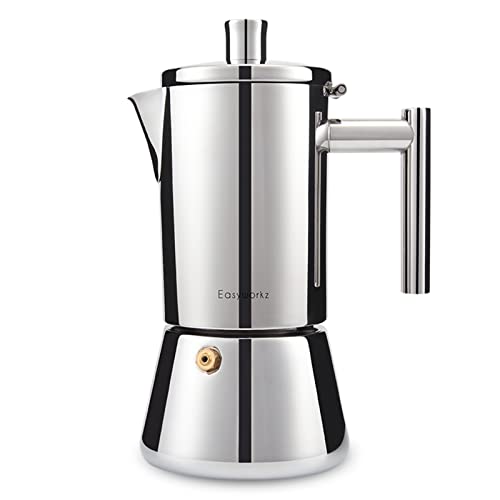
[Elegant and Heat Resistant Design] Used the latest manufacturing technology and combined aesthetics to design this elegant espresso coffee pot. The heat resistant hollow insulated lid and handle grip make it convenient to use. Base is heavy gauge Magnetic stainless steel,ensuring its long life time at high temperatured heat resource.

ZERO ALUMINUM, PURE ESPRESSO FLAVOR: Enjoy the authentic taste of Italian coffee without the metallic aftertaste or health concerns of traditional aluminum pots. Crafted with a premium 304 stainless steel upper chamber and a 430 stainless steel base featuring excellent thermal conductivity, this heat-resistant moka pot delivers uniform heating for balanced extraction, ensuring every brew is clean, rich, and safe for daily use

Venus is the perfect combination of tradition and innovation: the original induction coffee maker that prepares a perfect coffee, with a Made in Italy taste from a pot with a unique design.
Exact Brewing Steps: Fill → Pour
What’s the first thing you need to do? You fill the bottom chamber with hot water up to, just below the safety valve. Using freshly boiled water jump the start and keeps extraction steady, but avoid letting any water spill into the funnel basket before you assemble the pot.
Next, place the funnel basket, then add ground coffee until it’s level or a touch mounded. Tap gently to settle the grounds—no tamping—because packed coffee blocks flow and makes the brew bitter. Brush any loose grounds from the rim to guarantee a tight seal.
All right, screw the top and bottom sections together snugly, then set the pot on medium‑low heat. Keep the lid open, watch the coffee rise, and listen for a soft hiss; that signals the brew method variations are working. When sputtering starts, remove the pot, run the base under cold water, and pour immediately.
Takeaway: precise filling, careful grounding, and quick cooling give you a clean, balanced cup. Ready to explore what pressure and temperature do inside your moka pot? pressure‑driven extraction enhances flavor intensity. Regular descaling prevents mineral buildup and keeps the pot operating efficiently. regular cleaning helps maintain the seal and prevents rust.

The original moka coffee pot: Moka Express is the original stovetop espresso maker, it provides the experience of the real Italian way of preparing a tasteful coffee, its unique shape and the inimitable gentleman with moustache date back to 1933, when Alfonso Bialetti invented it.

☕ 100% TOXIC FREE - Thanks to the 304 stainless steel, your coffee is free from harmful aluminum or plastic! Enjoy a pure and safe brewing experience!

CRAFT COFFEE AT HOME: Produces six demitasse/espresso servings of rich, smooth espresso coffee in minutes. Craft your own espresso, Americano, Cuban coffee, Italian-style coffee, Moka, lattes, cappuccinos and more from the convenience of your home.Filter type:Reusable
What Pressure and Temperature Do Inside Your Moka Pot?
It’s natural to wonder exactly how pressure and temperature behave once you’re the moka pot on the stove. You start with water heating, steam forming, and pressure climbing from about 0.5 bar to roughly 1 bar, sometimes nudging 1.5 bar if you forget to lift the heat. The safety valve design releases excess pressure, keeping you from hitting dangerous levels.
Now, the temperature gradient moves from 40–50 °C at the start to 95–120 °C by the end, pushing water up through the coffee bed. A steady, moderate pressure yields balanced extraction; spikes create bitterness and uneven flow. The flavor impact ties directly to how long you let the pressure rise before you hear the gurgle.
All right, remember: stop the brew before heavy gurgling to avoid over‑extraction. Your next move? Adjust heat to keep pressure in the 10–15 PSI window for smoother flavor. The moka pot’s simplicity and low cost make it a great entry point for coffee lovers comparing espresso machine features. For those seeking finer control, a pump‑driven system can achieve higher pressure levels. This method’s extraction time is typically shorter than a percolator’s, contributing to its cleaner cup.
How Grind Size, Dose & Packing Influence Flow
How do grind size, dose, and packing change the flow? You’re probably wondering why your moka sometimes drips like a faucet and other times sputters. The grind texture sets the resistance: a medium‑fine, table‑salt‑like grind (360‑660 µm) slows water, while a coarser, sand‑like texture speeds it up.
What happens when you change the dose? Adding 20–22 g to a 6‑cup pot raises bed density, deepening the coffee column and tightening the flow path. Under‑filling reduces depth, letting water rush through.
How does packing affect permeability? Light leveling keeps the bed loose; heavy tamping creates channels that block flow. A looser bed lets water spread evenly, while a compacted bed can choke the brew.
Takeaway: Fine grind + high dose + tight packing = slow, high‑pressure brew; coarse grind + low dose + loose packing = fast, weak brew. Now experiment with one variable at a time to find your sweet spot. The particle size determines how quickly water extracts flavor compounds. Consistent tamp pressure of 30–40 lb helps maintain uniform resistance across the puck. Using a burr grinder ensures uniform particle size for more consistent extraction.
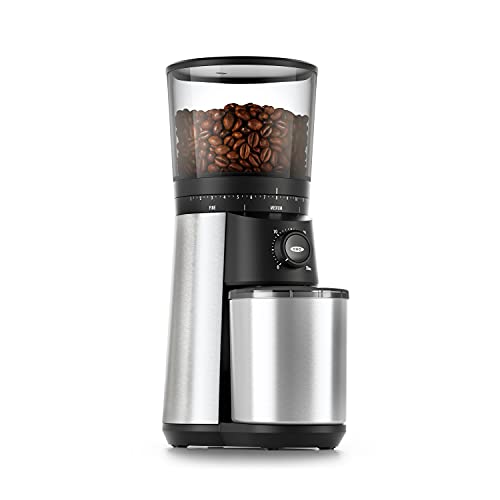
40mm stainless steel conical burrs: Precision grinding system produces uniform coffee grounds to ensure even extraction for rich, balanced flavor in every cup.
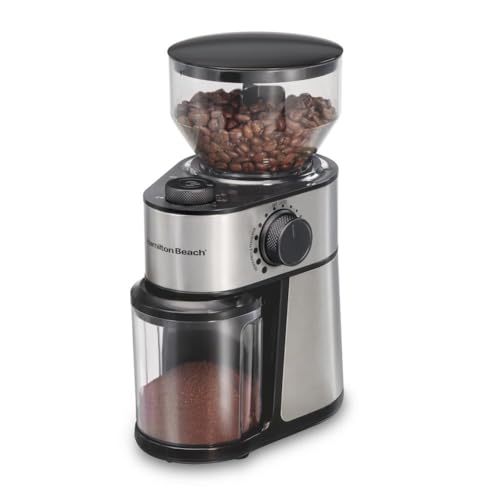
18 PRECISION GRIND SETTINGS FOR EVERYTHING FROM ESPRESSO TO FRENCH PRESS. With the Hamilton Beach Burr Grinder, you can easily change the texture of coffee grounds from extra-fine to coarse with just a twist of the dial. Great for herbs and spices too.

40 GRIND SETTINGS: Choose from 40 settings ranging from fine for espresso to coarse for French press, with options for drip coffee, pour-over, and more.
Extraction Indicators: Proper vs. Over‑Extraction
How do I know if my moka pot is extracting right?
You’re probably wondering why some moka brews taste smooth while others feel harsh or flat. The key is taste extraction. Proper extraction gives you a balanced flavor: sweetness, acidity, and a gentle bitterness that mingle, plus a clean aftertaste. Your tasting notes should mention a full body and bright aroma intensity without a burnt finish.
What visual cues tell me I’m over‑extracting?
When the coffee stream darkens to deep golden‑brown and you hear sputtering, that’s a pressure perception warning. Over‑extraction shows up as pronounced bitterness, dry mouthfeel, and a harsh, lingering finish. Brew timing that exceeds the first gurgle adds bitterness.
How can I fix it?
Adjust grind size to a slightly coarser setting and pull the pot off heat at the first sputter. This restores flavor balance and prevents the astringent, burnt notes.
*Takeaway:* Watch brew visual cues, listen for sputtering, and tweak grind and timing to keep extraction on point. Ready to test your next brew?
Using a grinder close to the brewing equipment helps preserve aroma and freshness of the coffee. The French press’s coarse grind technique also highlights how particle size influences extraction efficiency.
A consistent water temperature is crucial for optimal extraction and can be monitored with a simple kitchen thermometer.
Consistent Results & Troubleshooting Common Issues
When you’re getting wildly different flavors from the same moka pot, the culprit is usually a tiny shift in grind, water level, or heat.
How do I keep the grind consistent?
Use a fine‑to‑medium‑fine grind and fill the basket to the rim. Tap gently after dosing; don’t tamp. A level bed lets water flow smoothly, avoiding harsh, stalled brews.
What water level should I aim for?
Fill the boiler just below the safety valve—about 20 % more water than the target cup. Pre‑heat water to cut heating time and prevent early overheating. Heat surf: remove the pot when the first strong flow appears, then return briefly as it weakens.
Why does my pot taste off after weeks?
Oil buildup and mineral deposits alter pressure. Perform regular water maintenance; rinse the gasket, filter, and chimney with hot water, and deep‑clean with a vinegar‑water solution monthly. Check for gasket wear— a cracked seal changes pressure and yields bitter, sputtering coffee.
Takeaway: Keep grind, water, and heat steady, and maintain the pot regularly. Next, test a single variable at a time to pinpoint any lingering inconsistency.
Use a medium‑fine grind consistently to ensure even extraction.
A burr grinder’s consistent grind size is crucial for achieving uniform extraction across all brewing methods.
Improperly using a paper towel as a coffee filter can introduce unwanted chemicals and affect flavor.

【38 Adjustable Grind Settings for Espresso to French Press】Hauscafe conical burr coffee grinder delivers precise and consistent grinding from fine espresso to coarse French press. Designed with adjustable grind size, Hauscafe electric coffee grinder is perfect for pour over coffee, drip coffee maker, and espresso brewing.

[Consistent Flavor Extraction]: Choose the coarseness you need from the 28 settings on the Lonkion burr coffee grinder. The flat metal burr grinding head ensures an even and consistent grind. Whether you need a fine grind for espresso or a coarser grind for French press coffee, you can adjust the grind size for any coffee type.
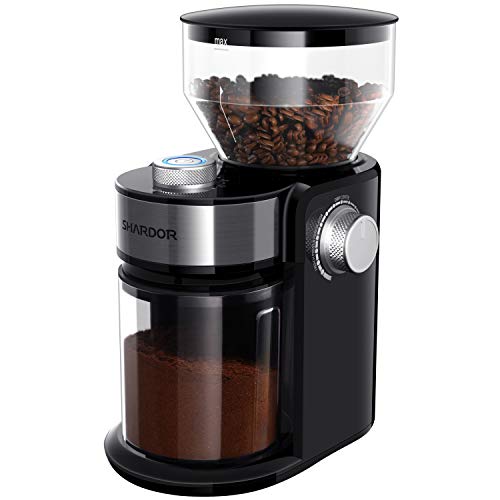
[ UNIFORM BURR GRINDING ] Premium metallic flat burr mill ensures consistent, uniform grounds without burning beans. Perfectly preserves rich coffee aroma for pour-over, drip, and cold brew.