
You start by rinsing a paper filter, then add 16‑18 g of medium‑fine coffee to the chamber. Pour 200‑250 g of 195‑205 °F water, stir briefly, and let it steep for about a minute. When you press the plunger, you create 0.25‑0.5 bar of pneumatic pressure that pushes the brew through the filter, separating grounds and oils for a clean, balanced cup. The short immersion and controlled pressure keep bitterness low while preserving bright flavors, and the next sections will show you how to fine‑tune each variable for your perfect brew.
AeroPress Mechanics: Immersion, Pressure & Filtration
Ever wondered how the AeroPress merges three brewing worlds into one? You start by adding coffee grounds and hot water into the chamber, letting them steep. During this immersion phase, soluble compounds dissolve uniformly, building body and flavor. After the desired steep time, you press the plunger, creating gentle air pressure that pushes liquid through the coffee bed. This pressure phase accelerates flow without mimicking espresso levels, preserving the balanced extraction you cultivated. Finally, the paper filter separates grounds, grit, and bitter oils, delivering a clean, smooth cup with low sediment. The synergy of immersion, pressure, and filtration in a single device gives you a hybrid brew that’s both rich and clear. The AeroPress’s design includes a standard‑size paper filter that ensures consistent filtration for every brew. Using the recommended coffee‑to‑water ratio helps achieve optimal extraction and flavor balance. For best results, maintain a medium‑fine grind to promote even extraction.

High Quality Paper Micro-Filtration – Biodegradable, compostable paper coffee filters made from white, chlorine-free, food-safe paper for a flavor profile free of papery, chemical taste. Ultra thin, tightly woven with micro-sized holes that filter and catch coffee grounds stopping them from passing into your cup. Zero grit.

High Quality Paper Micro-Filtration – Biodegradable, compostable round replacement coffee filters made from natural, unbleached, food-safe paper for a flavor profile free of papery, chemical taste. Ultra thin, tightly woven with micro-sized holes that filter and catch coffee grounds, stopping them from passing into your cup. Zero grit.

High Quality Paper Micro-Filtration – Biodegradable, compostable paper coffee filters made from white, chlorine-free, food-safe paper for a flavor profile free of papery, chemical taste. Ultra thin, tightly woven with micro-sized holes that filter and catch coffee grounds stopping them from passing into your cup. Zero grit.
Medium‑Fine Grind & Water Temperature: Why They Matter
After the immersion‑pressure‑filtration cycle, the next levers you control are grind size and water temperature, both of which dictate how quickly the coffee extracts and how much pressure you’ll need to push the plunger. A medium‑fine grind—think table‑salt texture—offers a balanced surface area: fine enough to release flavor quickly yet coarse enough to keep the plunger moving smoothly. Pair it with a temperature range of 195–205 °F (90–96 °C) for a standard brew, or drop toward 175 °F if you crave less bitterness. Hotter water speeds extraction, amplifying intensity; cooler water softens harsh notes, especially in darker roasts. Adjust one variable at a time—finer grind or hotter water for sourness, coarser grind or cooler water for bitterness—to fine‑tune your cup. A well‑heated paper filter also helps maintain a steady flow and temperature during brewing. Understanding extraction time is crucial for balancing acidity and body.
AeroPress Step‑by‑Step: From Water to Final Press
How does the AeroPress transform water into a smooth, concentrated brew? You start by placing a paper filter in the cap, rinsing it with hot water to strip papery notes and preheat the chamber, then twist the cap onto the mug. Add 16‑18 g of medium‑fine coffee, level it, and pour 200‑250 g of water—your brew‑ratio—directly onto the grounds, saturating them within ten seconds. Stir briefly to guarantee even wetting, then let the slurry steep for about 60 seconds. Insert the plunger just enough to seal, creating a gentle vacuum. Press steadily for 20‑30 seconds until you hear a hiss, yielding roughly 7‑8 oz of brew. Remove the cap, eject the puck, and rinse the parts for quick cleanup. The Aeropress’s rapid, pressure‑assisted immersion also results in a brew that is low in acidity and easy to clean, making it ideal for quick, consistent coffee on the go. Its single‑serve design allows coffee lovers to brew a fresh cup without waste.
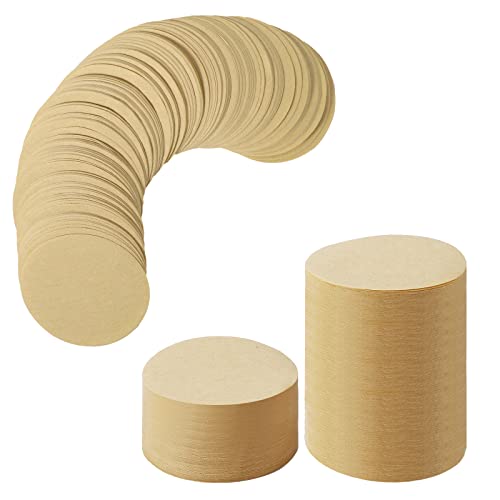
SAFE AND HEALTH: These round coffee filters are made of quality paper material, with nice air permeability, strength and water permeability, environmental friendly, health and safe, no harm to your body. Non-bleached coffee filters do not leave chemically taste!
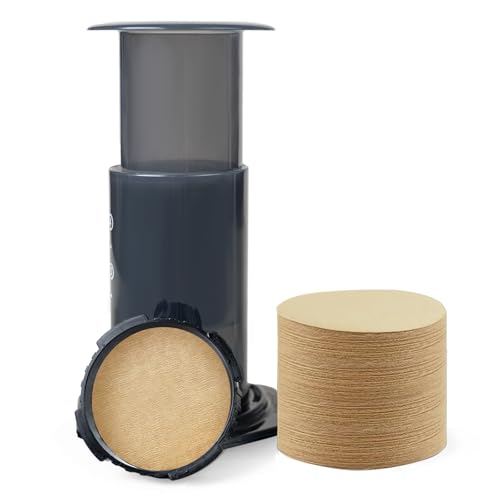
☕Revive Your Brew Experience: Compatible with the AeroPress Original, Go, and Clear coffee makers, our paper micro-filters are crafted to embody the quintessence of brewing excellence.Sourced from the finest Canadian pulp, our filters effectively eliminates unwanted bitterness, oils and residues, preserving the coffee's true flavor. Achieve the delicate balance between acidity and sweetness, enjoying coffee that stays true to its character.

High Quality Paper Micro-Filtration – Biodegradable, compostable paper coffee filters made from white, chlorine-free, food-safe paper for a flavor profile free of papery, chemical taste. Ultra thin, tightly woven with micro-sized holes that filter and catch coffee grounds stopping them from passing into your cup. Zero grit.
How Pressure Affects Extraction During the Press?
When you plunge the AeroPress, the manual force you apply creates a brief burst of pneumatic pressure that pushes water through the coffee bed, accelerating the final extraction stage. The pressure dynamics—typically 0.25‑0.5 bar, up to 1 bar if you push hard—act on the water column above the grounds, forcing liquid through the compacted coffee. A fast, aggressive press speeds flow, pulling soluble compounds quickly and often highlighting intensity, while a gentle, steady push slows the drawdown, allowing more controlled extraction and smoother flavor balance. Because the press phase is short, pressure mainly tweaks the final stage rather than driving the whole brew. Aim for a consistent 20‑30 second press to keep turbulence low and preserve clarity. Rinsing the paper filter before brewing removes lingering papery flavors and helps warm the AeroPress. The AeroPress’s compact design makes it especially popular for travel and outdoor adventures.

Fino Dual-Sided Espresso Tamper: Compresses ground espresso into a dense, level puck that allows pressurized water to pass more slowly for richer, smoother espresso with bold flavor and a thick, golden crema; essential tool for baristas and coffee lovers

COMPATIBILITY: Designed specifically to be compatible with AeroPress Original, Go, and Clear models for pain-free filter cap removal

Sleek, Space-Saving Coffee Station – Minimal in footprint, elevated in form, this compact organizer stand keeps your AeroPress coffee maker and accessories perfectly organized, clutter-free, and always within reach. 11.06"L x 4"W x 7.62"H.
AeroPress Paper Filter: How It Gives a Clean, Crisp Cup
The burst of pressure you generate in the press stage determines how quickly the water extracts solubles, but the final cup’s clarity hinges on what the filter lets through. Paper filters trap most coffee oils and micro‑grounds, so the brew emerges bright, crisp, and ultra‑clean. Their dense fibers hold back fine particles that would otherwise create sludge, reducing muddiness and sharpening perceived clarity. When you rinse the filter briefly, you eliminate papery taste and improve the seal, ensuring grounds stay out of the cup. Biodegradable and compostable, these filters support environmental sustainability while keeping filter cost low. The result is a smoother texture, less sediment, and a lighter body that lets fruity and acidic notes shine. A French press can also produce a velvety foam when the brewed coffee is shaken vigorously, adding a creamy mouthfeel without extra equipment. This method can approximate espresso‑like strength, though it lacks the 9 bar pressure of true espresso.
AeroPress Flavor Profile: How Short Brew Time, Aeration & Pressure Shape Taste
Because the AeroPress limits the water‑ground contact to just about a minute, it extracts fewer of the late‑stage bitter compounds that appear in longer immersions, giving you a cup that’s bright, smooth, and low in harshness. The brief steep forces you to set a precise brew ratio, often 1:15 to 1:17, which sharpens flavor clarity while keeping body modest. When you pour and stir, you aerate the grounds, letting CO₂ escape and preventing a sharp, under‑developed acidity. This early degassing promotes even extraction, so the water pulls balanced solubles. During the plunge, gentle pneumatic pressure pushes the brew through the bed quickly, curbing over‑extraction and preserving the clean, delicate notes you taste. Adjust grind size, temperature, and plunge speed to fine‑tune the profile. The Aeropress’s rapid extraction also makes it ideal for travelers who need a quick, consistent brew on the go, especially when paired with a portable stovetop alternative for those who prefer a traditional method. The method’s versatility allows experimentation with inverted brewing to further modify pressure dynamics and flavor outcomes. A longer steep time, as used in cold brew methods, can increase bitterness and reduce brightness.
Standard vs. Inverted: Variations & Troubleshooting
While the upright AeroPress lets gravity drain liquid as soon as water meets the grounds, the inverted setup keeps everything sealed until you flip and press, giving you tighter control over immersion time and minimizing early drip loss. In the standard method you attach the brew filter, add a medium grind size, and rely on seal durability as the plunger creates pressure control during the short plunge. Inverted brewing starts with the plunger already inserted, so flip timing becomes critical; a quick, steady flip prevents spill and allows grounds settling before you press. Watch for filter clogging when using fine grind, and consider a double‑paper filter for extra spill prevention. Adjust pressure control by pressing slowly until a hiss, ensuring consistent extraction. The extraction method influences the resulting flavor profile and caffeine concentration. Proper water temperature is essential for extracting balanced flavors without bitterness.