
You’re wondering which method tops the other, and you’re right to ask. AeroPress gives you a fast, 1‑minute brew with pressure that extracts a fuller body, round sweetness and lower acidity—great for milk‑based drinks or dark roasts. V60, taking 3‑4 minutes, lets gravity pull water through a paper filter, delivering bright acidity, crisp clarity and a tea‑like cup that shines with light roasts. If you value speed, portability and a richer sip, go AeroPress; if you crave transparency and nuanced floral notes, choose V60. The next step is to match the method to your preferred roast and brewing context.
AeroPress vs V60: How the Brewing Mechanics Differ
If you’re wondering why the AeroPress feels like a quick, solid press while the V60 feels like a slow, careful pour, you’ve hit the right question.
How does pressure shape the brew?
The AeroPress creates manual pressure when you push the plunger, forcing water through a compact coffee puck. That pressure crushes the grounds, extracts quickly, and cuts brew time to about 1‑2 minutes. The V60, by contrast, relies on gravity alone; you get no extra pressure, so water drips slowly, taking 3‑4 minutes and letting the bed settle naturally.
What about bloom timing and flow uniformity?
In a V60 you bloom the grounds, wait 30‑45 seconds, then pour steadily to keep flow uniformity across the cone. The AeroPress skips a separate bloom; you add all water, let it steep, then press, so bloom timing matters less. Using the optimal coffee‑to‑water ratio ensures consistent extraction across both methods.
Takeaway
Pressure gives the AeroPress speed and consistency; gravity and careful bloom give the V60 nuanced control.
Next, compare how those mechanics affect body, sweetness, and acidity.
The AeroPress’s compact puck also contributes to a richer, fuller body compared to the V60’s more open filter. The French Press’s longer steep can increase extraction depth and enhance robustness.
A key factor in both methods is the brew temperature stability, which can significantly influence the balance of flavors.

Hand Crafted Precision Brewing – Our iconic 3-in-1 brewer reimagined. Double-wall borosilicate glass chamber enhances heat retention and showcases your brew, while precisely engineered stainless steel and aluminum components add strength and style for a brew experience as smooth and refined as the taste of our signature brew. Designed to bring café-quality brewing and modern design to your kitchen coffee station, AeroPress Premium combines a sleek, minimalist design with a compact footprint.


UNIQUELY DELICIOUS: No more average joe from fancy, expensive machines. By combining the best of several brew methods into one patented device, you get smooth, rich, grit-free coffee with a delicious, full-bodied finish that lingers well after your last sip. No bitterness. No cream needed.
AeroPress vs V60: Body, Sweetness & Acidity Showdown
Why does the AeroPress feel richer while the V60 feels brighter? You’re right to wonder—body, sweetness, and acidity hinge on immersion versus percolation.
What makes the AeroPress so full‑bodied?
The immersion brew lets soluble compounds extract evenly, like an espresso extraction that pushes oils into a smooth, round mouthfeel. You’ll notice a richer texture and a gentle sweetness that rounds off sharp edges. Aeropress uses a combined percolation and immersion technique, adding depth to the cup. The medium‑fine grind ensures optimal surface area for consistent extraction. The single‑button operation of the OXO Rapid Brewer offers a convenient alternative for high‑volume brewing.
Why does the V60 taste lighter and more acidic?
Paper filtration and a fast flow‑through strip fine particles and oils, leaving a clean, crisp cup with higher flavor clarity. Acidity shines, especially in light roasts, giving a bright, citrusy snap.
Takeaway
If you crave a mellow, integrated cup, the AeroPress wins. If you prefer a bright, articulate brew with distinct notes, the V60 takes the lead.
Next, explore which roast pairs best with each method. The AeroPress’s compact chamber also makes it ideal for travel and outdoor brewing.
AeroPress vs V60: Which Roast Works Best?
You’re probably wondering which roast shines with each brewer after learning why the AeroPress feels richer and the V60 brighter. The V60’s paper filter lets a light‑roast originic profile from Ethiopia or Kenya stay crisp, so you get floral, citrus notes and high brew consistency. The AeroPress, with its immersion pressure, rounds out a medium roast, giving you a balanced cup that still respects the bean’s sweetness.
All right, dark roasts belong in the AeroPress. Brazil or Sumatra beans develop chocolatey depth and less acidity, and the pressure smooths harsh edges, delivering a full‑bodied, consistent brew. V60 can handle dark beans, but the clarity fades and the cup can taste thin.
Here’s the thing: if you crave delicate, tea‑like brightness, stick with light roasts in the V60. If you want a richer, smoother experience, choose medium‑to‑dark roasts for the AeroPress. Your next step? Brew a light Ethiopian in the V60 and a medium Brazilian in the AeroPress, then compare the originic profiles and brew consistency side by side. The percolator’s high pressure extraction can also produce a robust, full‑bodied cup, but it often risks over‑extraction. brew ratio is critical for achieving the right balance of strength and flavor.

12-ounce bag of single-origin Ethiopian coffee

ORGANIC FORMULA: 100% Certified Organic, Kosher, and Non-GMO. All organic. All the time. From our rigorous standards to the way we collaborate with farmers, we pride ourselves on producing only Certified Organic coffee, batch roasted daily
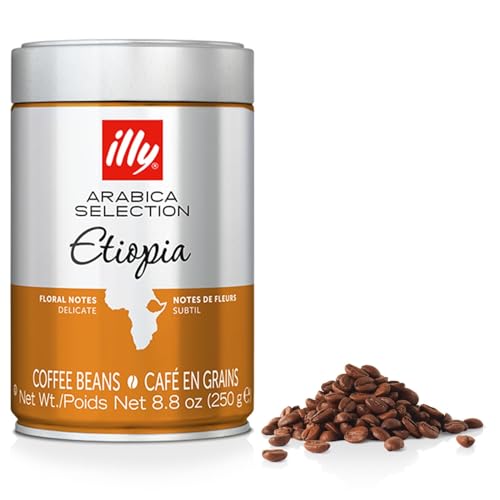
FULL-FLAVORED ILLY WHOLE BEAN COFFEE - Start your adventure with fresh coffee beans that are delicate and aromatic with gentle notes of jasmine
AeroPress vs V60: Speed, Portability & Clean‑Up Comparison
You’re probably wondering how the AeroPress and V60 stack up when it comes to speed, portability, and clean‑up.
Which brews faster?
AeroPress finishes in 1–3 minutes because immersion plus a quick press cuts extraction time. V60 drips for 3–5 minutes, relying on gravity, so you wait longer for a single cup. Obviously, if you need coffee fast, AeroPress wins.
How portable are they?
The AeroPress is compact, lightweight, and built like a travel‑friendly travel. You can toss it in a backpack for road trips or office desks. V60’s plastic version travels okay, but the glass or ceramic models need a server, kettle, and scale, reducing travel convenience.
What about clean‑up speed?
AeroPress cleanup is a snap: eject the puck, rinse the chamber, discard a tiny paper filter. V60 also cleans, but you spend extra time removing grounds and a larger filter, and residue often lingers.
Takeaway: AeroPress offers quicker brew, superior travel convenience, and faster clean‑up. Next, you might compare grind size and pour technique to fine‑tune flavor.
A well‑controlled 1:15 ratio ensures balanced extraction, just like the French press guide recommends.
A nitro cold brew can be made at home using a nitrogen charger and a stout‑style glass for a café‑quality experience.
The French press’s full‑bodied texture comes from its longer steeping time, which contrasts with espresso’s high‑pressure extraction.

Travel Coffee maker: brew Coffee or tea on the go and drink from same container when ready; enjoy your daily fix wherever you are

Brew K Cup Pods or Grounds:Use k cup pods or ground coffee with 2 reusable filters plus 1 k pod adapter. This french press coffee maker gives you the flexibility of a k cup coffee maker with the convenience of single serve brewing in one compact design.
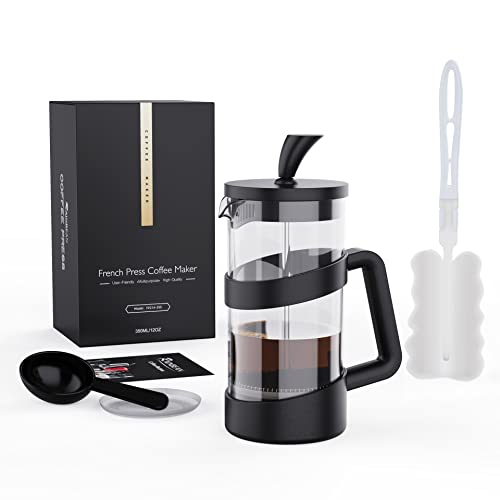
FRENCH PRESS SMALL: RAINBEAN small french press brews a pure and strong flavor cup of coffee in just 3 minutes, simply add course ground coffee, hot water and press,ensures you would be brewing like a barista on day one!When breakfast is over, just rinse out the grounds and toss your disassembled French Press into the dishwasher for easy clean up.
AeroPress vs V60: Grind Size, Pour Rate & Filter Choice Explained
If you’re wondering how grind size, pour rate, and filter choice shape the flavor between an AeroPress and a V60, you’ve hit the right spot.
What grind should I use?
AeroPress prefers a medium‑fine grind, about 0.6 mm, while the V60 shines with a medium grind near 0.75 mm. Finer particles boost extraction, giving the AeroPress a fuller body and lower acidity; coarser grinds keep the V60 bright and clean. Keep your grind consistency tight—tiny variations can swing bitterness or sourness dramatically.
How does pour rate matter?
V60 relies on a steady, controlled pour; a faster flow under‑extracts, a slow drip over‑extracts. AeroPress immersion makes it forgiving, but a gentle splash still helps avoid channeling.
Which filter works best?
Paper filters dominate both, yet filter permeability differs. The V60’s thin paper yields high permeability, emphasizing clarity. AeroPress paper, slightly thicker, slows flow a bit, adding smooth texture.
Takeaway
Match grind size, pour rhythm, and filter permeability to the brew you crave. Next, test a single variable to see how it shifts your cup. The Chemex’s thick, bonded paper filter provides a cleaner cup by trapping more oils and sediment.

DOLCEVITA CLASSICO: Lavazza captures the spirit of la Dolcevita with this 12-ounce coffee bag. This blend embodies the essence of its iconic, fashion-forward, and mysterious allure. Ideal for drip brewers
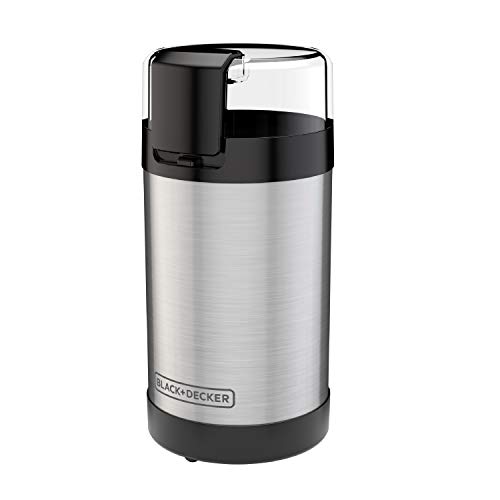
STAINLESS STEEL BLADES AND BOWL - The sharp blades and durable grinding bowl are built to last, delivering uniform grinds with every use
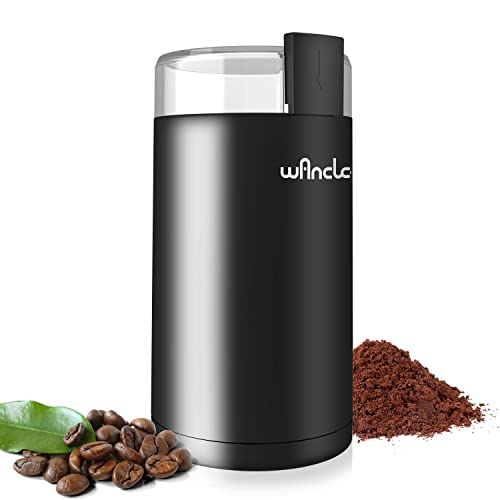
✅【A Secret To Grind Bean Effortlessly】Grinder comes with a pure copper motor and stainless steel blade. Easily observe the grinding situation by a transparent lid, extract the perfect flavor from beans. let you enjoy great coffee in a few seconds.
AeroPress vs V60: Which Method Is More Forgiving for Beginners?
Grind size and pour rate are great, but the real question for you is: which brew lets you mess up a little and still get a decent cup?
Why the AeroPress feels forgiving****
The AeroPress is an immersion‑plus‑pressure brew method, so you can stir, wait, and press without obsessing over grind consistency. Even if you over‑ or under‑extract, the taste profile stays smooth, low‑acidity, and rarely turns sour. You don’t need razor‑sharp extraction control; a simple 30‑second brew works most days. Heat retention helps keep the cup warmer, adding to the perception of a richer, juicier brew. Its low‑acid extraction also makes it gentler on the stomach. Regular descaling prevents mineral buildup that could affect temperature stability. Proper water temperature is essential for extracting the full flavor range from the coffee grounds.
Why the V60 demands precision****
The V60 relies on percolation, so pour‑rate, even saturation, and grind consistency dictate extraction control. A slight mis‑timing can swing the taste profile from bright to bitter, making the method less forgiving for beginners.
Takeaway
If you want low‑fuss, repeatable coffee, the AeroPress wins. Ready to try it? Grab a press, a scoop, and start experimenting.

Clear Colors in Shatterproof Tritan – AeroPress Clear Black Coffee Press features our iconic 3 in 1 brew tech in crystal clear Tritan for a durable, shatterproof, travel-ready brewer that lets you see your brew – wherever your brew takes you.
The Brewer That Started It All – AeroPress Original was the first single cup coffee maker to combine 3 brew methods in one compact, portable device for a faster brew and better extraction giving coffee lovers a smooth, rich cup bursting with coffee bean flavor—without the bitterness or acidity found in other methods.

High Quality Paper Micro-Filtration – Biodegradable, compostable paper coffee filters made from white, chlorine-free, food-safe paper for a flavor profile free of papery, chemical taste. Ultra thin, tightly woven with micro-sized holes that filter and catch coffee grounds stopping them from passing into your cup. Zero grit.
AeroPress vs V60: Milk‑Friendly vs Transparent Black‑Coffee Suitability
Which brew keeps its flavor when you add milk, and which stays crystal‑clear on its own? You’re probably wondering which method fits your morning routine.
Can the AeroPress handle milk foam without losing taste?
The AeroPress creates a concentrated brew that holds its body when you swirl in milk or milk foam. Its immersion‑plus‑pressure extraction yields a rich, chocolate‑forward cup that retains flavor and body retention even after dilution. Darker roasts shine here, but a medium light roast still feels full‑bodied and smooth.
Does the V60 give you clarity for a straight black cup?
The V60’s percolation pulls through a paper filter, delivering a bright, tea‑like cup with high clarity. Light‑roast beans reveal floral and citrus notes, while the brew stays transparent and low‑oil.
Takeaway: Choose AeroPress for milk‑friendly drinks; pick V60 when you crave a clean, analytical black coffee.
Cold brew’s low‑acid profile is achieved by a coarse grind that prevents over‑extraction. Adding a slow steep can further enhance smoothness.
AeroPress vs V60: Decision Framework for Your Taste and Lifestyle
You’ve just figured out which brew stays bright with black coffee and which one holds up when you add milk, so now you’re probably wondering how those differences line up with your daily routine.
Which method fits your flavor habit?
If you crave body, sweetness, and a smooth mouthfeel, the AeroPress gives a budgetimate brew that feels like a rich espresso‑style shot. If you prefer bright acidity, floral notes, and clear origin expression, the V60 delivers a clean cup that highlights each nuance.
How much time and effort can you spare?
AeroPress works in 1–3 minutes, needs minimal technique, and cleans in seconds—perfect for rushed mornings. V60 takes 2.5–4 minutes and demands careful grind, pour rate, and agitation, but rewards you with precise control.
Is portability a priority?
AeroPress doubles as a travel companion: compact, durable, and virtually indestructible. V60 can travel if you choose plastic, yet glass or ceramic versions stay home‑bound.
What’s the long‑term value?
AeroPress costs a bit more upfront but lasts years and handles 1–2 cups per brew. V60 is cheaper, handles 1–4 cups, and lets you experiment endlessly, though you’ll replace filters regularly.
Takeaway: Choose AeroPress for speed, consistency, and on‑the‑go life; pick V60 when you want flavor precision and don’t mind the ritual.
Next step: test a single brew with each method and note which aligns with your taste and schedule. Regular descaling helps keep both devices performing at their best. Proper water hardness management also prevents mineral buildup and extends the life of your equipment. The Moka pot’s steam pressure creates a rich, espresso‑style extraction that can inspire your brew choices.