
You’re probably wondering why espresso machines feel so different, and it all comes down to how they control pressure, temperature, and workflow. Manual lever‑driven models let you feel puck resistance and tweak pressure from 9 to 12 bars, perfect for learning shot‑by‑shot; semi‑automatic units give you steady 9‑bar pump, PID temperature control, and the choice of grind and tamp, striking a sweet spot between control and convenience; super‑automatic machines handle grind, dose, tamp, and extraction at the touch of a button, using up to 19 bars and built‑in frothing for consistent results. Obviously, each type matches a different skill level, space, and budget, so pick the one that fits your routine and you’ll master espresso faster. If you keep exploring, you’ll uncover how boiler designs and steam power further shape performance.
Manual Lever‑Driven Espresso Machines – Why They Give You Ultimate Control
Why does a lever‑driven machine feel so personal? You’re wondering why the tactile feedback and pressure profiling matter. Here’s the thing: pulling the lever lets you feel the puck’s resistance, so you instantly know if the grind or dose is off. You can shape pre‑infusion, ramp‑up, peak pressure, and decline in real time, often hovering around 9 bars but spiking to 12 bars with a spring‑lever.
How does that translate to flavor? Now, imagine a musician adjusting tempo on the fly; you’re doing the same with coffee. A gentle spring gives a soft pre‑infusion, while a direct lever gives you full control over the whole curve, highlighting acidity or body as you wish.
What’s the payoff? Obviously, you develop skill faster because every shot teaches you something new. The takeaway: manual levers turn espresso into a conversation between you and the brew, not a preset routine. Ready to try a few pulls and feel the difference?
The precise pressure regulation of the boiler ensures the water stays at the ideal temperature for optimal extraction.
A well‑maintained brew ratio helps achieve consistent strength across shots.
When you consistently measure beans, you can fine‑tune the grind size for each shot.
Semi‑Automatic Espresso Machines – The Sweet Spot for Home Baristas
If you’re wondering why semi‑automatic machines feel like the perfect middle ground, you’re on the right track. You get an electronic button that starts and stops the shot, so you control timing while the pump holds a steady 9 bars. This balance gives you Barista ergonomics—no heavy lever, just a fingertip press—while keeping Extraction consistency high enough for café‑style drinks.
Now, why do home baristas love them? You avoid the steep learning curve of manual levers but still tweak grind, dose, and brew time. A reliable pump and stable temperature, often aided by a PID, let you repeat good shots without chasing a preset volume. The steam wand lets you texture milk for lattes, and dual‑boiler or heat‑exchanger models cut waiting time between brew and steam. Dual‑boiler technology provides powerful steam and precise temperature control.
All right, what should you watch for? Look for pressure stability, a solid steam wand, and a simple design that eases maintenance. Simpler mechanics mean fewer breakdowns and easier repairs, keeping your machine running for years. Understanding the role of the portafilter helps you achieve optimal extraction. Properly pre‑heat the group head before pulling a shot ensures temperature stability and improves flavor consistency.
Takeaway: A semi‑automatic gives you control, consistency, and affordability—perfect for mastering espresso at home. Next, consider how a super‑automatic could simplify the process further.

Built-in Grinder & Customizable Grinding: Featuring a built-in grinder and a generous 200g coffee bean hopper, VEVOR espresso machine allows you to go from beans to espresso in just a few minutes. With 30 grinding settings to choose from and 2 stainless steel filters (1 cup and 2 cups), you can easily tailor your coffee to your taste preferences.

Compact Design – Save Counter Space, Simplify Daily Cleanup: The espresso machine fits kitchens, apartments, offices and home coffee corners without taking over the countertop. The removable water tank and drip tray make refilling and routine cleaning easier. Uses ground coffee; grinder not included.

MANUAL HAND-TEXTURED MICROFOAM: The powerful steam wand on this cappuccino maker and latte machine is designed to quickly turn milk into smooth, flavorful microfoam for creating latte art at home
Super‑Automatic Espresso Machines – Brew a Perfect Shot With One Button
You’re probably wondering how a super‑automatic can give you that café‑level shot with a single press. One‑button convenience means you press, the machine grinds beans, doses, tamp, and extracts at the right pressure, all in a repeatable cycle. The built‑in grinder crushes fresh beans on demand, so you never taste stale coffee.
How does the milk get so silky? Integrated milk frothing uses a steam wand or frothing carafe that automatically textures milk while the espresso brews, letting you pull a latte or cappuccino without extra steps.
What’s the real benefit? You get consistent volume, temperature, and crema without mastering technique. The waste bin catches used puck, keeping cleanup quick.
Takeaway: If you value speed and consistency over manual control, a super‑automatic delivers café quality with a single button. Ready to explore how boiler types affect performance? The machine’s high‑pressure pump pushes water through the coffee at 19 bar, creating the rich crema you love.
A proper grind size is essential for balanced extraction, and a consistent grind helps maintain the ideal flow rate. Compact capsule design further ensures freshness and flavor retention.

Café-Quality Espresso with PID Temperature Control:Enjoy rich, balanced coffee at home with this advanced espresso machine. Featuring PID temperature control and low-pressure pre-infusion technology, this espresso coffee machine maintains precise brewing temperature for consistent extraction, helping deliver rich crema, smooth flavor, and café-style results in every cup. Whether you are a beginner or a coffee enthusiast, enjoy professional-quality espresso with confidence

Equipped with a 20-bar Italian pump and NTC precise temperature control, this espresso machine extracts rich, full-bodied espresso with a golden crema layer every time. Unlike competitors that suffer from inconsistent extraction, our system maintains stable brewing pressure for café-quality results at home. Works with both ground coffee and ESE pods for your preferred brewing style.
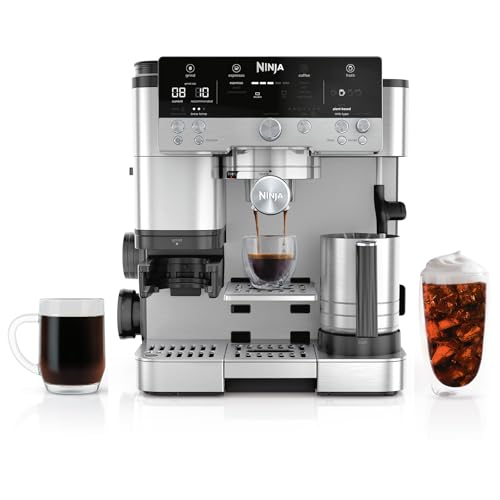
BE YOUR OWN BARISTA: Café-quality espresso shouldn't require a PhD. The Ninja Luxe Cafe Premier is a 3-in-1 machine designed to take the guesswork out of every latte, cappuccino, cold brew, and cup of coffee. Perfect for beginning espresso enthusiasts and anyone looking for a great, dialed-in cup of coffee with practically zero effort.
Espresso Machine Boiler Types Explained: Single‑Boiler, Dual‑Boiler, Heat‑Exchanger, Thermoblock
When you wonder which boiler will keep your espresso consistent, the answer lies in how each system manages heat.
What’s a single‑boiler?
You have one boiler for brew and steam, so you must switch temperatures. It’s cheap, compact, and easy to clean, but you can’t pull a shot while steaming milk. Expect slower workflow and a bit of temperature surfing that can affect espresso flavor profiles. Maintenance routines stay simple—just descaling the one tank. Thermal mass helps keep temperature stable between shots.
How does a dual‑boiler work?
Two separate boilers let you brew and steam simultaneously, each holding its own temperature. This gives tighter control, steadier flavor profiles, and quicker turnaround. The trade‑off is higher cost and more parts to service, so your maintenance routines involve checking both units regularly.
What’s a heat‑exchanger?
A single boiler feeds a metal tube where brewing water passes, letting you brew and steam at once. It balances speed and price, though brew temperature isn’t as precise as dual‑boiler. You may need to “surf” the temperature curve for optimal flavor. Maintenance is moderate—clean the exchanger tube and descale the boiler.
Why choose a thermoblock?
Water heats on demand inside a metal block, giving rapid heat‑up and a tiny footprint. It’s great for quick drinks, but temperature stability and steam power lag behind boiler systems, which can mute nuanced espresso flavor profiles. Maintenance is straightforward—regularly descale the block, but expect less robust performance.
Takeaway
Each boiler type shapes your workflow, flavor consistency, and upkeep. Pick the one that matches how you plan to brew and how much time you’ll spend on maintenance. Next, consider how your daily routine aligns with these trade‑offs.
A regular water hardness check helps prevent scale buildup and prolongs machine life.
daily flushing of the group head removes coffee residues and maintains consistent extraction.
Using a milk frother correctly can also improve the overall coffee experience by providing a smooth, velvety foam that complements the espresso’s texture and flavor.

ANTI-STATIC GRINDER FOR FRESH ESPRESSO EVERY TIME — This espresso machine with grinder uses an anti-static design to reduce clumping and scattering, keeping your countertop clean. The precision grinder with 45 grind settings delivers consistent grounds shot after shot, even with oily dark roasts. Say goodbye to stuck chutes and wasted beans — just fresh, perfectly ground coffee every time you brew.

Professional Pump: Come with 20 bar original Italian pump for easily extract strong flavored and rich crema espresso; Fast Heating: 1350 watts powerful boiler, preheating in just 30 secs, lets you make a delicious espresso in 1-3 mins

[58mm Brew Head & Visible Pressure Gauge] - The commercial‑grade 58mm all‑metal brew head ensures great heat stability and even water distribution over a larger puck surface, it fully extracts coffee essence and rich crema, effectively avoiding uneven extraction and weak flavor, creating mellow and layered coffee. Combined with a powerful 20‑bar ULKA pump and visible pressure gauge allows you to monitor the extraction process in real-time, ensuring precise pressure for a perfectly balanced espresso shot.
Pick the Right Boiler for Your Espresso Machine and Workflow
Which boiler fits your daily espresso routine? You’re wondering how to match a boiler to your workflow, and that’s a smart place to start.
What volume do you handle?
If you make a few drinks a day, a single‑boiler or thermoblock will keep costs low and footprint small. For back‑to‑back lattes, a dual‑boiler or heat‑exchanger gives you simultaneous brew and steam, so you won’t waste time switching modes.
How important is temperature stability?
Dual‑boilers hold brew temperature within ±0.5 °C, delivering repeatable shots. Heat‑exchangers can stay within 1‑2 °C when well engineered. Single‑boilers swing more when you toggle to steam, which can affect extraction.
Do you need strong steam for milk frothing?
High‑volume milk drinks favor dedicated steam capacity—dual‑boilers excel, while heat‑exchangers also deliver solid steam power. A single‑boiler will slow you down, and thermoblocks vary widely.
Takeaway: Choose a boiler that mirrors your drink volume, temperature‑stability needs, and steam demand.
Next step: Ask yourself which of these factors matters most for your daily routine.
A well‑engineered high‑pressure pump ensures consistent extraction across all boiler types. Regular descaling helps maintain optimal temperature stability and prolongs the life of the boiler. Proper descaling prevents mineral buildup that can degrade performance over time.
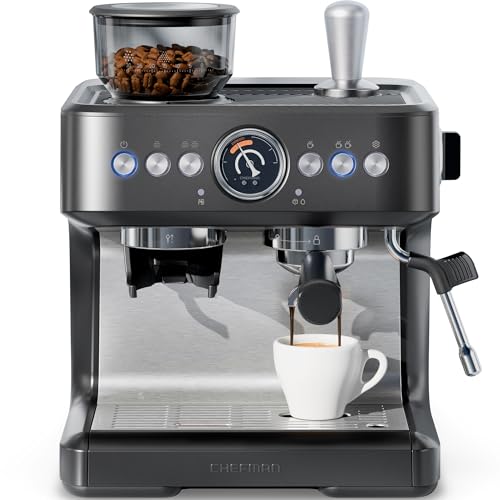
BARISTA-LEVEL ESPRESSO AT HOME: Brew rich, café-quality espresso with a semi-automatic design that grinds, brews, and delivers full flavor in minutes.

MANUAL HAND-TEXTURED MICROFOAM: The powerful steam wand is designed to quickly turn milk into smooth, flavorful microfoam, allowing you to create latte art at home with this versatile cappuccino and latte machine

Integrated Boiler & Group Head Design: The G3028A Espresso Machine features a 550ml brew boiler, Hybrid group head, and upgraded Dual PID Temperature system that independently controls brew and steam temperatures with precision. Enjoy stable heating for rich, aromatic crema and a perfectly balanced authentic Italian espresso, making it ideal for home baristas who demand reliable, cafe-quality results
Espresso Machine Single‑Boiler vs. Dual‑Boiler: Pros, Cons, and Ideal Use Cases
You’re probably wondering why the boiler type matters after figuring out your daily volume and temperature needs. A single‑boiler uses one boiler for brew and steam, so you must shift temperature between espresso flavor extraction (≈195‑205°F) and steam (≈250‑270°F). That changeover costs 30‑60 seconds and slows your workflow, but it saves money and space, making it perfect for beginners or low‑volume homes.
All right, a dual‑boiler gives you two independent boilers, letting you brew and steam simultaneously. You keep espresso temperature stable, enjoy consistent flavor, and speed up workflow when making multiple milk drinks. The trade‑off is higher cost, larger footprint, and more maintenance, but it shines for serious hobbyists or small gatherings.
Obviously, if you need speed and temperature precision for frequent milk drinks, go dual‑boiler. If you value simplicity, budget, and occasional espresso, a single‑boiler fits. Next, consider how much countertop space you have and whether you’ll be juggling milk drinks daily. Regularly performing the monthly descaling routine helps prevent mineral buildup and maintains optimal performance. Consistent tamping pressure also plays a crucial role in achieving balanced extraction across both machine types. Proper pump maintenance can extend the life of your espresso machine and avoid costly repairs.
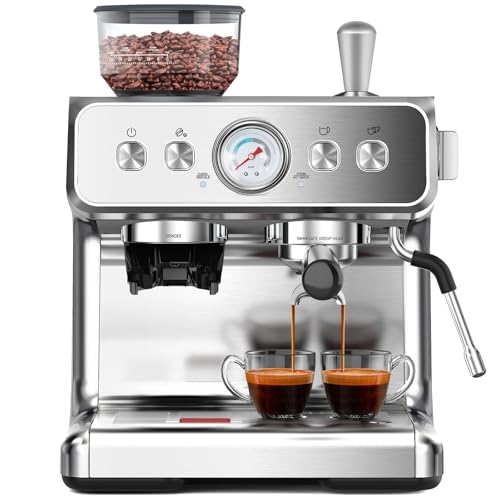
【UPGRADED CLOG-CRUSHING GRIND PATH】Tired of grinder jams? Our upgraded system features a 20% wider polished chute + reinforced helical auger that EJECTS GROUNDS INSTANTLY – even with oily dark roasts! Enjoy mess-free grinding and barista-perfect shots every time

【Fast & Stable Heating】Dual boiler system warms quickly and keeps temperature steady.PID control ensures consistent extraction within ±2°C, delivering rich espresso or americano. This automatic espresso machine makes café style drinks easy at home
Espresso Machine Heat‑Exchanger & Thermoblock Designs – Compact Solutions for Small Kitchens
If you’re wondering why heat‑exchanger and thermoblock machines dominate tiny kitchens, you’ve hit the right spot. You love a compact kitchen footprint and you need rapid warm‑up, so let’s unpack how each design fits.
How does a heat‑exchanger keep things small?
A single boiler runs at 125‑130 °C, sending steam‑hot water through a metal tube while fresh brew water slides beside it. The thermosyphon loop circulates heat, keeping the grouphead steady. You can brew and steam simultaneously, and the one‑boiler layout shaves inches off the countertop. Simultaneous brewing is possible because the heat‑exchanger maintains brew temperature even when idle, reducing the need for cooling flash cycles. Using the proper coffee‑to‑water ratio ensures consistent flavor even with the compact design. The Moka pot’s pressure‑driven extraction principle is similar, as steam pressure forces water through coffee grounds for a rich brew.
Why does a thermoblock feel instant?
Instead of storing water, a heated block heats water on demand. Less mass means you go from off to brew in under a minute—perfect for a rapid warm‑up. The block’s slim profile also preserves that compact kitchen footprint.
Takeaway
Both systems give you espresso power without crowding your space. Choose HX if you crave steady steam and brew; pick thermoblock for lightning‑fast readiness. Next, ask yourself which trade‑off matters most for your daily routine.
A proper stovetop espresso technique can further enhance flavor consistency.
Espresso‑Specific Specialty Formats: Moka‑Style Brewers, Pod‑Compatible Machines, and Portable Espresso Units
You’re probably wondering how those compact heat‑exchanger and thermoblock machines relate to the other espresso‑specific formats you see on kitchen shelves.
Moka vs pod – which fits your routine?
A Moka‑style brewer sits on the stove, pushes water through coffee at about 2 atm, and yields a strong, drip‑like cup in 3–6 minutes. No tamping, just a fine‑ish grind. A pod‑compatible machine, by contrast, uses sealed capsules that pre‑set dose and pressure, delivering a consistent shot in seconds but at higher per‑cup cost and limited flavor freshness. Never wash the percolator with soap; use only water to preserve residual coffee flavor.
Portable espresso ergonomics – what to expect?
Portable units trade boiler size for manual force or battery power, so pressure can wobble and temperature may vary. They shine for camping or desk use, offering quick shots with minimal cleanup, but don’t expect barista‑level crema.
Takeaway: Choose Moka for low‑tech, stovetop charm; pod for hassle‑free consistency; portable for on‑the‑go convenience. Next, compare how each format impacts your daily coffee ritual.
Espresso Machine Commercial‑Grade vs. Home Models – Key Differentiators
Why does a commercial espresso machine feel so different from a home model? You’re probably wondering why the same coffee can taste so distinct. The answer lies in scale, construction, and speed.
What makes commercial durability matter?
Commercial units carry heavy‑duty boilers, larger water tanks, and steel frames that survive back‑to‑back drinks. They can churn out 100 shots in two hours without overheating, keeping temperature steady. Home machines, by contrast, target one or two shots at a time and need cooling breaks between extractions.
Where does home convenience win?
A countertop model fits a kitchen shelf, weighs under 30 lb, and offers simple push‑button controls. You’ll enjoy quick setup, easy cleaning, and a price tag that doesn’t break the bank.
Takeaway: If you need speed and ruggedness for a café, prioritize commercial durability. If you value space, ease, and affordability, home convenience is your ally. Ready to match a machine to your routine?
Match Espresso Machine Type to Your Skill Level, Space, and Budget
Where does a espresso machine fit your skill level, space, and budget? You’re probably wondering which type won’t overwhelm you while still looking good on your countertop.
Which machine matches your skill?
If you love tinkering and want full control, a manual lever machine gives you that freedom, but it demands practice and constant budget maintenance. For beginners or intermediate users, a semi‑automatic strikes a balance: you grind, tamp, and time the shot while the pump handles pressure. It’s easier on ergonomics and still lets you experiment.
How does space affect your choice?
Manuals need room for the lever and accessories; semi‑automatics pair nicely with a dedicated coffee station; super‑automatic models combine grinder and brewer, cutting clutter and simplifying setup.
What budget should you set?
Manuals range $300‑$2,500, semi‑automatics $200‑$3,000, automatics $400‑$2,500, and super‑automatics $700‑$5,000+. Choose a price tier that aligns with how much control you crave versus convenience you need.
Takeaway: Match your skill, countertop space, and budget to the machine’s ergonomics, aesthetics, and maintenance demands. Next, think about how much daily use you expect and whether you’ll need a built‑in grinder.