
You’re wondering whether the Chemex or a V60 pour‑over makes the better cup, and the answer depends on what you value most. If you crave a clean, bright brew with tea‑like clarity, the thicker Chemex filter and slower 4‑6 minute extraction give you that, though it costs more and needs careful folding. If you prefer a fuller‑bodied, richer cup that’s quick to make (2.5‑3.5 minutes) and budget‑friendly, the V60’s thinner filter and faster flow win. Obviously, grind size, pour rate, and bloom time matter for both, so choose the one that matches your taste, time, and convenience, and you’ll see why each shines in its own way.
Rapid Comparison: Chemex or Pour‑Over?
Which method wins the speed‑and‑control race? You’re probably wondering if you should pour a Chemex or a V60. Here’s the thing: a V60 brew method finishes in about 2.5–3.5 minutes, while a Chemex takes 3.5–5 minutes depending on filter thickness and batch size. Obviously, the faster drawdown of a pour‑over suits a quick morning routine and lets you brew one cup at a time.
All right, let’s talk flavor contrast. The Chemex’s thick paper removes more oils, giving you a clean, tea‑like cup with subtle acidity. A V60 retains more oils, producing a fuller body and brighter, layered notes.
Takeaway: choose pour‑over for speed and richer texture, Chemex for clarity and batch brewing. Next, compare their capacity and serving use. The Chemex’s thick paper filter yields a clean, bright cup with minimal sediment. The Aeropress’s rapid, pressure‑assisted immersion can also produce a smooth, low‑acidity cup when using a metal filter.

PURE COFFEE FLAVOR: The signature cone shape delivers uniform saturation and extraction for a clean, balanced, sediment-free pour over cup every single time

PURE: The cone shape of all CHEMEX filters ensures uniform extraction for pure coffee flavor in every brew

Step 1: Fold the CHEMEX filter in half. Then fold in half again, bringing the two corners together. Place your finger between the 3rd and 4th layer and open into a funnel.
Chemex vs. Pour‑Over: Core Design Differences
You’re probably wondering why the two methods feel so different even though they both pour water over coffee. The Chemex is a single‑piece glass carafe with an hourglass silhouette, wooden collar, and leather tie, turning the brewer into a countertop display piece. That aesthetic presentation doubles as a serving vessel, so you pour directly into the same glass you’ll drink from. In contrast, standard pour‑over drippers—ceramic, stainless steel, or plastic—sit on a mug or server, focusing on function over form.
Now, the Chemex’s thick, bonded paper filters and wide‑bowl glass create a deeper coffee bed, slower drainage, and longer brew time, which boosts thermal retention and keeps the brew hot longer. Pour‑over drippers use thinner cone or flat‑bottom filters, yielding faster drawdown and quicker cooling. The Chemex’s geometry also encourages a slower, staged pour, while drippers favor a quicker, more turbulent flow. The Chemex’s filter is multiple layers, which further slows the flow compared to a V60’s single‑layer filter. All right, the takeaway: Chemex delivers a sleek, heat‑holding experience for multiple cups, whereas pour‑over drippers give you speed and flexibility for single servings. Next, consider how filter thickness will affect your cup cleanliness. Using a proper grind size ensures optimal extraction with the Chemex’s thick filter. The thick paper filter also removes more fine coffee particles, resulting in a cleaner cup. A well‑designed frother can create airy foam that complements the coffee’s texture.

CHEMEX - simple, easy to use with timeless, elegant design

CHEMEX - simple, easy to use with timeless, elegant design

Pour Over Coffee: Manual Pour Over Coffee Maker allows you to brew an excellent cup of Coffee in minutes
Filter Thickness and Its Effect on Cup Cleanliness
Why does filter thickness matter for a clean cup? You’re wondering why the Chemex paper feels different, and the answer lies in filter porosity and sediment trapping. The bonded, thicker paper creates a denser mesh that catches microscopic fines and coffee oils, so you see a brighter, sludge‑free brew.
All right, the thicker filter also adds resistance, slowing the flow and giving the bed more time to filter out particles. That’s why Chemex often yields a lighter‑bodied cup with distinct origin notes, while a thin pour‑over paper lets a few more fines slip through, adding body but a bit of cloudiness.
All right, the takeaway: if you crave visual clarity and a clean mouthfeel, choose the thick Chemex filter; if you prefer a fuller texture, a thinner paper works better. Next, consider how grind size will interact with this filtration. Regularly cleaning the Chemex with a soft brush helps maintain filter performance. Nespresso’s pump system ensures consistent pressure for optimal extraction. Using a coarse grind can further reduce sediment in the final cup.

PURE COFFEE FLAVOR: The signature cone shape ensures uniform saturation and extraction for a clean, balanced, sediment-free pour over cup every single time
Step 1: Fold the CHEMEX filter in half. Then fold in half again, bringing the two corners together. Place your finger between the 3rd and 4th layer and open into a funnel.

Conical shape ensures uniform extraction for pure coffee flavor.
Grind Size and Brew Rate for Optimal Extraction
How does grind size affect the Chemex’s brew rate? You’re probably wondering why the same beans taste different in a Chemex versus a V60. The answer lies in grind texture and flow resistance. A medium‑coarse grind, like sea‑salt, creates enough resistance to slow the thick Chemex filter, giving you a 4‑5‑minute drawdown. If the grind goes finer, resistance spikes, the filter clogs, and the brew drags past five minutes, risking over‑extraction. Too coarse, and the water rushes through in under three minutes, leaving a thin cup.
Now, how does this compare to a standard pour‑over? You’ll use a medium grind, similar to table salt, which offers less flow resistance. The V60’s lighter filter lets water pass faster, typically finishing in 2.5‑3.5 minutes. You can tweak strength by moving a notch finer for a richer body, or coarser for clarity, without dramatically changing brew time.
All right, the takeaway: match grind texture to filter thickness. Medium‑coarse for Chemex gives balanced extraction; medium for V60 keeps the brew swift and vibrant. Next, ask yourself whether you want a fuller body or a cleaner cup, and adjust your grind accordingly. Properly folding the Chemex filter ensures an even flow and prevents channeling, which can also affect extraction time. Understanding extraction balance helps you fine‑tune each brew method for consistent flavor. The micro‑foam created by steaming milk can also influence perceived body, making the Chemex’s richer mouthfeel complement the velvety texture.

One 10 oz bag of Gevalia Guatemalan Single Origin Special Reserve Coarse Ground Coffee
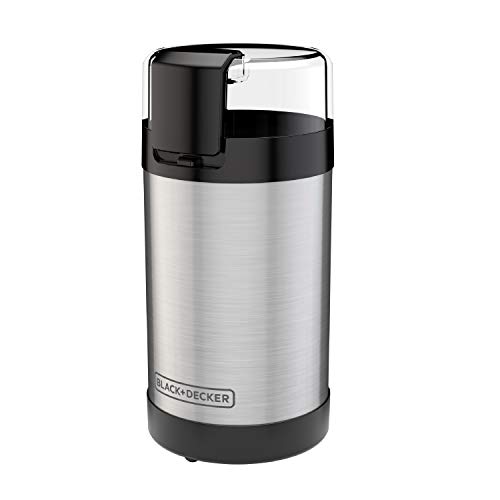
STAINLESS STEEL BLADES AND BOWL - The sharp blades and durable grinding bowl are built to last, delivering uniform grinds with every use
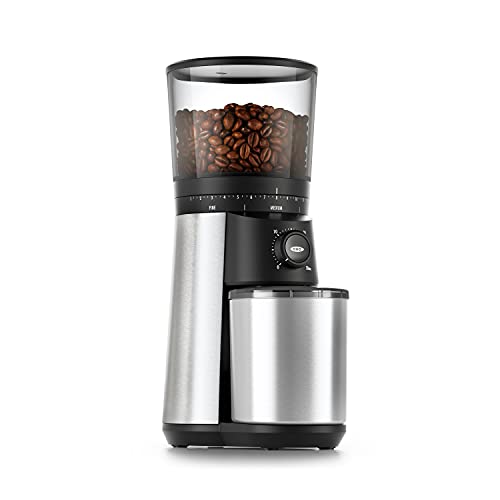
40mm stainless steel conical burrs: Precision grinding system produces uniform coffee grounds to ensure even extraction for rich, balanced flavor in every cup.
Brew Time and Extraction Yield Explained
If you’re wondering why your Chemex sometimes feels sluggish while a V60 finishes in a flash, the answer lies in brew time and extraction yield. Brew‑time variability is the main culprit: a Chemex typically runs 4–6 minutes, with the pour stopping around 2:45–3:00 and the rest is drawdown. A V60 aims for 2:30–4:00 minutes, thanks to a thinner filter and faster flow.
Here’s the thing: longer contact time lets the thick Chemex filter pull more solubles, boosting extraction‑yield optimization. But if you push past 6 minutes, the grind is too fine and you risk over‑extraction.
All right, keep an eye on the timer. If your Chemex hits 4:30–6:00 minutes, adjust the grind coarser; if the V60 drags beyond 4 minutes, fine‑tune the pour speed.
Takeaway: match brew time to your filter and grind to hit the sweet spot of extraction. Ready to tweak your pour and see the difference? A proper coarse grind maximizes flavor extraction while preventing bitterness. The full‑bodied nature of a French press also benefits from a longer steep, similar to the Chemex’s extended drawdown.
Flavor Profile: Bright, Light vs. Full‑bodied, Rich
When you wonder why a Chemex feels airy while a V60 feels richer, the answer lies in how each method handles oils and particles. The thick Chemex filter traps more oils and superfine grounds, giving you bright origin acidity, crisp aroma, and high clarity. You’ll notice a light body, delicate texture, and a sparkling mouthfeel that lets citrus notes shine.
Now, a standard pour‑over uses a thinner filter, letting more oils through. That adds intensity, fuller body, and a richer texture, so the cup feels rounder and more balanced. You still get clear aroma, but the mouthfeel leans toward a velvety, lingering richness.
All right, the key takeaway: Chemex delivers a bright, light‑bodied cup with pronounced acidity, while pour‑over offers a fuller, richer body with deeper texture. Which profile matches your taste today? The Aeropress method can also provide a quick, versatile brew with strong extraction control. Adding a nitro infusion step after brewing can further enhance the crema and mouthfeel. Regular descaling prevents mineral buildup and keeps flavor consistent.
Cost & Convenience: Equipment and Filter Expenses
You’re probably wondering why a Chemex feels pricier than a simple V60, and the answer starts with the upfront investment. A Chemex costs $45‑$90, while a V60 dripper sits around $20‑$40, and plastic models can be as low as $6‑$7. That initial gap makes the Chemex a bigger commitment, especially if you’re looking for a budget‑friendly start.
Here’s the thing: filter costs keep the gap widening. Chemex’s proprietary paper filters run about $0.15 each, so daily brewing adds up to roughly $55 a year. Standard pour‑over filters cost $0.03 each, keeping annual spend near $11. Obviously, the lower‑cost filters make the V60 more budget‑friendly over time.
All right, consider portability and maintenance. A V60 is compact, lightweight, and easy to pack for travel, while the Chemex is fragile and needs a scale and careful pouring. The V60’s simple design means less‑maintenance and easier storage. Takeaway: if you value a portable, low‑maintenance, and truly budget‑friendly setup, the V60 wins on cost and convenience. Next, think about how much coffee you’ll brew at once. The Chemex’s large capacity allows brewing up to six cups in a single batch. Using bar‑strength almond milk can further enhance the richness of your coffee drinks. The French Press’s full‑bodied extraction offers a similarly robust flavor profile for those who appreciate depth. A proper coffee‑to‑water ratio ensures consistent extraction across different brewing methods.

Lifestyle

Sturdy, lightweight pour-over coffeemaker, perfect for travel

Hario Starter Kit: Everything you need for a professional pour over cup of coffee at home or work—Just add coffee and water! The perfect starter setup for yourself, or a gift. Great for those new to pour over or manual coffee brewing
Capacity Choices: One‑Cup vs. Multi‑Cup Brewing
What size should you brew for? You’re probably wondering whether to go solo vs batch, single vs group. Here’s the thing: a one‑cup Chemex uses about 23 g coffee and 325–330 g water, takes roughly four minutes, and needs extra pre‑heating to keep temperature steady. It works, but you’ll waste time compared to a pour‑over designed for a single cup.
Now, if you often serve three to four people, a larger Chemex (6‑10 cups) shines. It holds enough coffee for a group, cuts down repeated brews, and keeps temperature longer. A standard pour‑over usually tops out at two cups, making it a compact solo option.
All right, choose based on your typical drinker count. Solo brewing? Stick with a pour‑over or a small Chemex. Batch brewing? Grab a bigger Chemex. The takeaway: match capacity to your usual serving size, then enjoy consistent coffee without extra hassle. For optimal extraction, use water heated to around 93 °C and a consistent grind size throughout.
Fine‑Tuning Variables for Each Brewer
How do I dial‑in grind size, pour rate, and temperature for each brewer? You’re right to wonder—those three knobs drive extraction yield and cup clarity.
What grind‑flow balance works for a Chemex?
Use a medium‑coarse, sea‑salt grind. Keep the pour rate slow, about 30 ml / s, and stay under the filter rim. Pulse pour every 20 seconds to avoid stalling. Pre‑wet the filter with hot water (around 200 °F) to control filter temperature and eliminate paper taste. Aim for a brew ratio of 1:15 and a bloom duration of 30 seconds.
How to tune a standard pour‑over?
Lean toward a medium grind, maybe a touch finer if the dripper is narrow. Increase pour rate to 45 ml / s, but use a gooseneck for precision. Shorten bloom to 20‑25 seconds and keep agitation intensity light. Adjust water hardness with a mineral‑balanced kettle if you notice excessive bitterness.
Takeaway
Fine‑tuning each variable—grind, pour, temperature, bloom, and filter handling—lets you hit the sweet spot for extraction yield and cup clarity. Next, test different brew ratios to see which flavor profile you prefer.
When to Choose Chemex Over a Regular Dripper?
If you’re wondering whether a Chemex beats a regular dripper, you’ve hit the right spot. You’ll love the cleaner, lighter cup it produces; thick bonded paper filters strip out oils and micro‑fines, giving you a tea‑like clarity that highlights subtle origin notes.
When does batch Chemex make sense?
When you need a brew alternative for multiple people, the 3‑10‑cup capacity beats a single‑serve dripper’s 1‑2 cups. You can serve a table without juggling repeated batches.
What about presentation?
The glass carafe doubles as a server, adding aesthetic appeal to your countertop. It turns a simple coffee ritual into a polished, deliberate experience.
Takeaway: Choose Chemex for clarity, volume, or visual flair. Next, decide which grind and filter combo fits your taste. Steeper filter angle can cause uneven extraction if the paper folds are misaligned.