
You’ll want a burr coffee grinder if you need uniform particles for consistent extraction—espresso, pour‑over, or drip all demand it. A blade‑type spice grinder is cheap and fast for herbs, pepper, and seeds, but it gives a mixed particle spread and can transfer oils, ruining coffee flavor. Use a dedicated spice grinder for aromatics and a burr grinder for coffee to keep each brew pure. Keep reading to uncover which tool fits your routine best.
What’s the Core Purpose of a Spice Grinder vs. a Coffee Grinder?
When you look at a spice grinder, you’ll see it built to turn dry herbs, seeds, and aromatics into fine, usable fragments or powder, emphasizing flexibility across ingredient types and quick aroma release. You use it to boost flavor aroma and preserve aroma retention while you prep peppercorns, cumin, chilies, or blended herbs. It’s meant for small‑batch, on‑demand seasoning, not for uniform particle size. In contrast, a coffee grinder’s core purpose is to produce consistent grounds that match brewing methods, ensuring even extraction and clear flavor aroma in each cup. It prioritizes repeatable grind distribution and freshness, not the rapid aroma burst a spice grinder offers. Choose based on whether you need cooking versatility or brewing precision. Blade design yields irregular particle size, making spice grinders less suitable for precise coffee brewing. Using a blender can cause heat buildup that may degrade bean oils and affect flavor. Regular descaling prevents mineral buildup that can impair grinder performance over time. Uniform particle size is essential for optimal extraction across different brewing methods.
How Do Blade and Burr Mechanisms Influence Coffee and Spice Grind Size?
A grinder’s mechanism decides whether you’ll get a tight, predictable particle range or a wild mix of sizes. With blade vs burr, the blade spins rapidly, chopping by impact; grind size hinges on run time, and particles spread wide, mixing dust, medium fragments, and chunks. Heat and friction can further blur grind uniformity. Burr grinders crush between a stationary and a rotating surface; you set the gap, so finer or coarser grounds emerge with precise control. This yields a tighter particle‑size distribution and superior grind uniformity. For coffee, burrs give repeatable size for consistent extraction, while blades often leave uneven grounds. For spices, blades are common because a broader texture range is acceptable, though short bursts and sifting can improve uniformity. Consistent grind size is crucial for optimal flavor extraction in coffee, especially when using conical burrs for precise particle control. Mastering the brew ratio ensures the water‑to‑coffee proportion aligns with the desired strength and extraction balance. Using a nitro cold brew method can further enhance the coffee’s texture and mouthfeel.
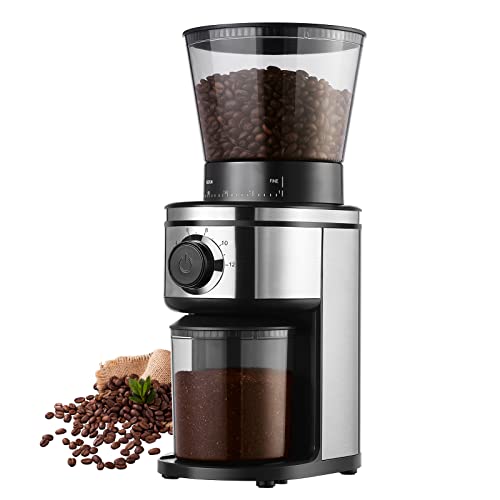
【Durable Conical Burr】With 40-millimeter stainless steel conical burrs, OLLYGRIN burr coffee grinder ensure optimal flavor extraction and create uniform grounds.
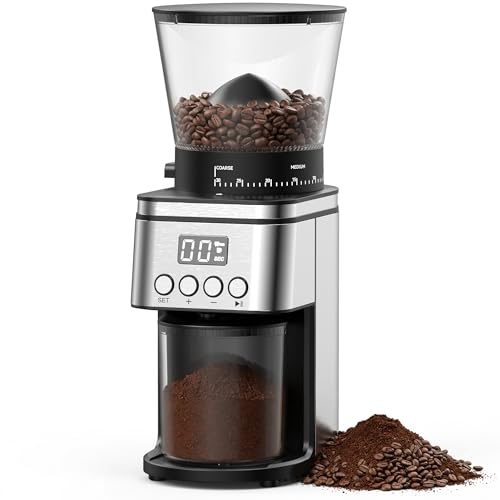
Professional Grinding Precision:Coffee grinder with 30 precise grind settings—from espresso-fine to French press-coarse—deliver consistent particle size for optimal extraction. Hardened stainless steel conical burrs ensure consistent and uniform grinding.

48 Grind Settings and Large Capacity : The Aromaster electric coffee grinder offers 48 different settings, from fine espresso to coarse French press. The timer allows you to adjust the amount of coffee powder, and the large chamber can grind up to 3.9 ounces, perfect for families and offices
Why Does Uniform Grind Size Matter for Coffee Extraction?
Why does uniform grind size matter? It drives particle extraction uniformity, letting water contact each particle evenly. Small particles dissolve faster, large ones slower, so a mixed batch creates sour, bitter, or thin notes in the same cup. When you keep the grind tight, you avoid under‑extraction zones and over‑extraction hotspots, especially in short‑brew, low‑agitation methods like espresso or pour‑over. Finer particles boost surface area, accelerating flavor, oil, and caffeine release; coarser particles slow it down. A narrow particle size distribution, typical of burr grinders, yields predictable brew consistency, while blade‑grind spreads fines and boulders that choke flow or cause channeling. Adjusting grind fineness or coarseness then becomes a precise tool for balancing sweetness, clarity, and overall taste. The particle size distribution directly influences extraction efficiency across different brewing methods. The grind texture also determines how well the coffee bed packs, affecting pressure and flow rate during extraction. Grinding beans close to the brewing equipment helps preserve the aroma by minimizing exposure to oxygen.
Can a Spice Grinder Produce Coffee Grounds Suitable for My Brew Method?
If you’re hoping a spice grinder can replace a coffee grinder, the short answer is: it works only for the most forgiving brews. Blade‑style grinders chop beans into a mixed particle range—fines, chunks, and everything in between. That uneven grind limits control over extraction, so brew taste can vary wildly. For French press or cold brew, where coarse, irregular grounds are tolerable, a spice grinder can serve as a backup if you pulse briefly, shake between bursts, and keep batches small. Drip, pour‑over, and especially espresso demand uniform medium or fine grinds; a spice grinder won’t deliver the consistency needed for reliable brew flexibility. Ultimately, a burr grinder remains the ideal choice for most methods. Proper water temperature is essential for optimal extraction. Using a food processor for coffee beans can generate heat buildup that may affect flavor. A consistent grind size also helps maintain stable extraction pressure throughout the shot.
Are Coffee Grinders Safe for Grinding Spices Without Flavor Transfer?
While a coffee grinder can handle a pinch of peppercorns or cumin, it isn’t a safe choice for regular spice grinding if you care about flavor purity. Blade grinders clean easier than burrs, but both retain coffee oils that cling to chambers and blades. Those oils will mingle with spice oils, compromising flavor safety and leaving a lingering taste that can ruin later coffee. Oily or aromatic spices exacerbate the problem, and dry, hardy seeds are the only tolerable options. If you grind spices often, you’ll need high cleaning frequency—dry wiping, brushing, or grinding rice—to mitigate transfer, yet residue can still hide in crevices. A dedicated spice grinder eliminates cross‑contamination risk and preserves both coffee and spice integrity. Regular cleaning is essential to maintain optimal performance. The cold brew method described in Cold Brew Made Easy With a French Press demonstrates how precise ratios and controlled steeping can enhance flavor consistency. Proper temperature control during frothing enhances foam stability and can be applied when preparing milk for spice‑infused lattes.
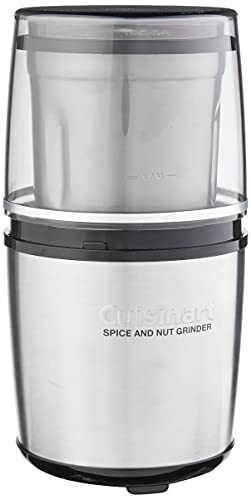
Electric spice-and-nut grinder with durable stainless-steel blades

REDUCE CLUTTER WITH HIDDEN CORD STORAGE: Hideaway cord storage under the base keeps cable neat, concealed when not in use; this small coffee grinder is quieter than leading competitor

【Material】Aluminum alloy
How Do You Clean a Coffee or Spice Grinder to Prevent Flavor Transfer?
Even before you start grinding the next batch, unplug the unit and clear the hopper, then run it briefly until no visible grounds or spice particles remain; this quick purge, followed by a dry nylon brush or toothbrush to dislodge residue from burrs, blades, and chute, removes most loose material and prevents most flavor transfer. After the purge, tap the grinder gently to free trapped particles and wipe the exterior with a dry or barely damp cloth. For deeper cleaning, disassemble user‑serviceable parts, wash plastic components in warm soapy water, rinse and dry thoroughly; avoid water on metal burrs unless the manual permits. Use a monthly tablet or a handful of uncooked rice to absorb oils and lingering odors. Follow a cleaning schedule of dry brushing every 2–3 uses and a full deep clean monthly for reliable flavor transfer prevention. Rinse the carafe under warm water to eliminate any lingering coffee oils before reassembly.

【Good tool for coffee lover】: This coffee grinder brush set is specially designed to brush away coffee grounds for the coffee grinder, espresso machine, portafilter, and etc. You can also use it to sweep extra coffee grounds off of the storage box and the counter. Whether you’re a professional barista or a home coffee enthusiast, this coffee machine cleaning brush is a must-have.

🧹【Package Included】The package contains 1 pcs dusting coffee grinder brush,the size is about 13cm × 1cm,can meet your daily use.

UNIVERSAL BARISTA BRUSH: No matter where your coffee leftovers land - in the brewing machine or coffee grinder, our coffee brush helps keep your workspace and equipment free of coffee grounds.
How Do Prices Differ Between Spice Grinders and Burr Coffee Grinders?
After you’ve cleared and brushed out the grinder, you’ll notice the price gap: spice grinders usually sit between $20 and $50, while burr coffee grinders range from $50 up to $200. The pricing tier reflects their mechanisms—blade‑based spice mills use simple, cheap parts, whereas burr grinders employ two abrasive surfaces, adjustable settings, and tighter tolerances. This added complexity drives higher costs but also boosts material durability, especially in premium coffee models. Entry‑level burr units already surpass most spice grinders because they must maintain uniform particle size for flavor extraction. If you prioritize occasional chopping, a lower‑tier spice grinder offers adequate value. For consistent coffee brewing, the higher tier burr grinder justifies its price with superior durability and performance. The uniform grind from a burr grinder leads to richer espresso extraction. Proper grind size is crucial for achieving the optimal extraction balance in different brewing methods.

Burr Coffee Grinder :This portable burr coffee grinder allows you to grind coffee beans wherever you are, making it perfect for those who enjoy freshly ground coffee on the go. Its intuitive design ensures easy use, so you can achieve a consistent, perfect grind with minimal effort. The grinder's compact and lightweight build means it won't take up much space, fitting easily into your bag. Whether at home, in the office, hiking, or traveling.
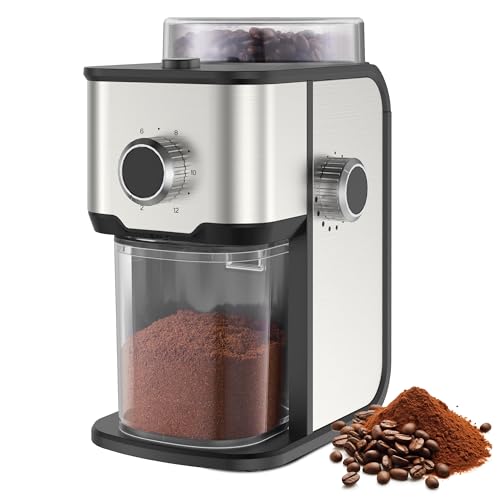
14 Precise Grinding Settings: AYCHIRO coffee grinder offers 14 kinds of grinding sizes. You can enjoy the different flavors and styles right from the comforts by yourself!

40mm stainless steel conical burrs: Precision grinding system produces uniform coffee grounds to ensure even extraction for rich, balanced flavor in every cup.
Which Grinder Is Best for Coffee Lovers vs. Spice Enthusiasts?
If you love coffee, a burr grinder gives you the uniform particle size and adjustable settings needed for consistent extraction, whereas a spice grinder—designed for hard, oily aromatics—offers the speed and simplicity you want for peppercorns, seeds, and dry herbs. For coffee lovers, a burr grinder preserves brew flavor by delivering even particles, reducing sour or bitter notes, and letting you dial in drip, pour‑over, or espresso settings. For spice enthusiasts, a dedicated spice grinder maximizes spice aroma, handling pepper, cumin, and dry herbs without overheating or cross‑contamination. Using one device for both tasks risks residual oil transfer, compromising coffee purity and spice scent. Choose a burr grinder for precision brewing and a spice grinder for robust seasoning performance. Consistent grind size is essential for a balanced espresso shot, and the degree of grind uniformity directly influences extraction quality. Understanding particle size distribution helps you fine‑tune the grind for optimal flavor balance.

Slim, powerful grinder with precise settings from fine to coarse, with 15 settings and 29 micro-adjustments

【PREMIUM CONICAL BURR】Novalife coffee grinder features a strong stainless steel vortex conical burrs. It delivers a uniform and consistent grind size compared to flat burr, better retains the aroma of coffee and helps to taste great coffee.
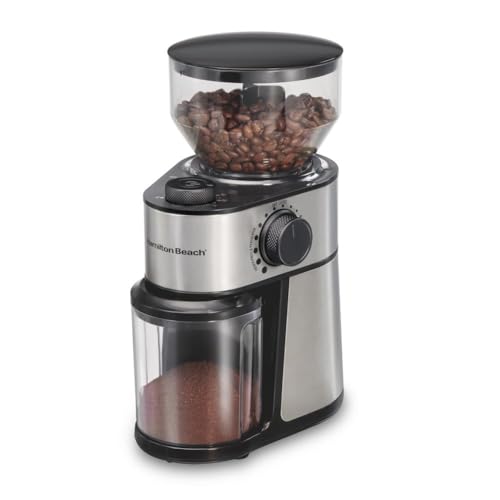
18 PRECISION GRIND SETTINGS FOR EVERYTHING FROM ESPRESSO TO FRENCH PRESS. With the Hamilton Beach Burr Grinder, you can easily change the texture of coffee grounds from extra-fine to coarse with just a twist of the dial. Great for herbs and spices too.
Three Real‑World Scenarios That Decide Between a Coffee Grinder and a Spice Grinder?
Wondering which grinder fits your kitchen routine? If you brew coffee daily, a burr coffee grinder gives uniform particles, consistent extraction, and easy adjustment for drip, pour‑over, espresso, or AeroPress. A blade spice grinder will leave fines and boulders that ruin balance, so dedicate a coffee grinder to protect flavor.
When you only need occasional spices, a blade‑type grinder handles cinnamon, peppercorns, and cumin quickly without the bulk of a burr set‑up, saving kitchen space and simplifying cleanup.
If you consider a single grinder for both, expect flavor‑transfer risk: aromatic spice oils cling to blades and chambers, contaminating coffee grounds. Separate tools keep taste purity and reduce cross‑contamination.
Choose based on grind consistency, cleaning ease, and the specific tasks you perform most often.
A proper water temperature is crucial for extracting the full flavor profile of coffee. Consistent grind size enhances extraction across brewing methods.