
Use a 1:13‑1:15 coffee‑to‑water weight ratio and grind beans coarse‑to‑medium‑coarse, like sea salt. Heat water to 195‑205 °F, pour 2‑4 × coffee mass over grounds, and let it bloom for 30‑45 seconds, then give a gentle swirl. Steep for 4 minutes (5 minutes if you want extra robustness) and plunge slowly with steady pressure until the mesh reaches the surface. Decant the liquid, leaving settled grounds behind, and you’ll get a bold, full‑bodied cup—continue for deeper tips.
Pick the Right Coffee‑to‑Water Ratio for a Bold French Press
When you aim for a bold French press, start with the standard 1:15 coffee‑to‑water ratio—1 g coffee per 15 g water—and then tighten the ratio to 1:13 or 1:12 to boost concentration. This espresso ratio‑style adjustment raises brew intensity without altering extraction time. Measure grounds by weight; a 32‑oz press typically uses 63 g at 1:15, while a 48‑oz press needs about 94 g. To increase intensity, add 1–2 g coffee per 15 mL water or subtract the same water amount, keeping the total volume constant. Small incremental changes let you compare body, boldness, and flavor clarity. Record each trial, taste, and refine until the cup reaches your target strength. Using a nitro infusion technique can further enhance the mouthfeel and crema‑like texture of your brew. Proper water temperature of 195–205 °F is essential to extract the full flavor without bitterness.
Choose a Grind Size That Balances Strength and Bitterness
If you want a bold French press without harsh bitterness, start with a coarse‑to‑medium‑coarse grind—think sea‑salt texture—and keep it consistent. A uniform grind texture guarantees even extraction balance, preventing the fine particles that cause over‑extraction and sediment. Use a burr grinder to achieve consistent particle size; blade grinders introduce irregularities that yield both under‑extracted and over‑extracted flavors. Adjust the grind slightly finer if the brew tastes thin, but avoid crossing into a fine setting that raises resistance and yields a muddy cup. Conversely, coarsening a touch reduces bitterness while preserving body. Monitor plunge resistance: moderate pressure indicates the ideal grind for strength without harshness. Use a digital scale to measure exact coffee‑to‑water ratios for consistent strength. Understanding how particle size influences extraction helps you fine‑tune flavor and avoid bitterness. Following the recommended coffee‑to‑water ratio ensures a balanced, rich cup every time.

The Breville Grind Control coffee maker creates third wave specialty coffee by capturing freshness and essential oils from beans by grinding before you brew with Steep and Release technology; Brew beverage directly into a carafe, tall cup or travel mug

PERFECT FIT: Custom-designed replacement knob specifically for Infinity Conical Burr Coffee Grinders, ensuring precise control of grind settings.
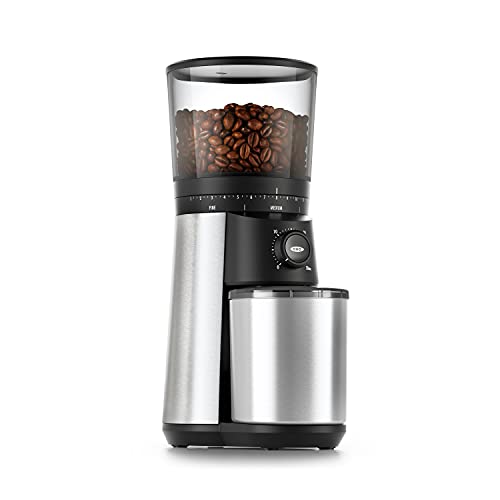
40mm stainless steel conical burrs: Precision grinding system produces uniform coffee grounds to ensure even extraction for rich, balanced flavor in every cup.
Bloom and Stir for Strong French Press Coffee Extraction
A consistent coarse‑to‑medium grind sets the stage, but the real boost in strength and balance comes from a proper bloom and a brief stir. Start by adding 2–4 × coffee mass of water—about 60–120 g for 30 g of grounds—to initiate bloom timing of 30–45 seconds. This wetting releases CO₂, breaks dry clumps, and primes the bed for uniform extraction. After the bloom, apply a light stir intensity: a single, gentle swirl that lifts the crust and wets any floating particles. Avoid aggressive agitation; it over‑extracts fines and adds bitterness. Once stirred, pour the remaining water, let the brew sit undisturbed, and plunge after the full steep. This sequence maximizes saturation while preserving flavor balance. Extending the steep time by one minute can increase body, but may also introduce bitterness if it exceeds the optimal 4‑minute window steep time.
Heat Water to the Right Temp and Pre‑wet Your Grounds
Because the water’s temperature dictates extraction speed and flavor balance, you’ll want to hit 195‑205 °F (90‑96 °C) for a strong French press cup, adjusting down to 180‑190 °F for dark roasts to curb bitterness. Boil the water, then let it rest 30‑60 seconds; a one‑minute pause reliably lands near 195 °F. Verify with a thermometer or a calibrated boil‑and‑rest chart for precise temperature control. While the water cools slightly, pre‑wet the French press and grounds. Pour a small amount of hot water over the coarse beans, stirring gently to saturate. This pre‑wet grounds step stabilizes temperature, promotes even extraction, and reduces heat loss when you add the full batch, ensuring a consistently strong brew. Using a scale for consistency helps maintain the ideal 1:15 coffee‑to‑water ratio. For a smoother concentrate, you can also filter the brew through a fine mesh before serving. Proper coarse grind ensures the grounds settle well and prevents gritty residue.
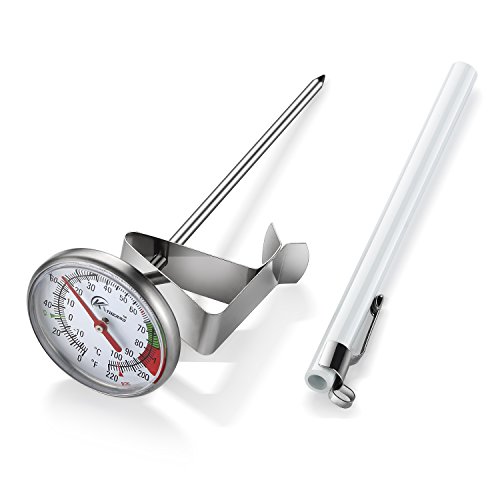
DESIGN:Multi-stage design of the fixed clip, adjust the thermometer read the location of the disk surface to facilitate observation of the temperature of the bubble.
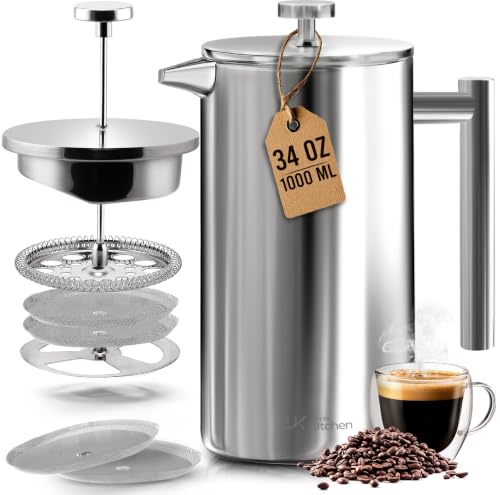
Double-Walled French Press: Make perfectly brewed coffee at home like a barista. The double-walled coffee press is heat resistant. Its solid construction will keep the drink hot for a long time.

No Plastic Touching Food: Made with 304 stainless steel and food-grade silicone, our French press keeps all brewing surfaces plastic-free— no odor and no plastic particle into your coffee. Safe and worry-free
Brew Time: How Long to Steep for Power Without Bitterness
When you aim for power without bitterness, target a steep time of four to five minutes. This steep timing hits the sweet spot for full‑bodied extraction while limiting over‑extraction. A four‑minute brew delivers balanced strength; extending to five minutes adds robustness without crossing the bitterness threshold. Keep the grind coarse and the coffee‑to‑water ratio around 1:15, then let the grounds settle before pressing. Avoid exceeding five minutes, as longer contact pulls bitter compounds and heavy oils, compromising flavor. If you need extra punch, increase dose rather than steep time. Monitor the brew, and adjust in one‑minute increments, using bitterness control as your guide. This precise window guarantees a strong, clean cup. The mesh plunger creates a uniform separation that prevents fine particles from escaping into the final brew. Regularly cleaning the French press after each use helps maintain this consistent extraction and prolongs the life of the device. For optimal flavor, use water heated to just below boiling.

One 10 oz bag of Gevalia Guatemalan Single Origin Special Reserve Coarse Ground Coffee
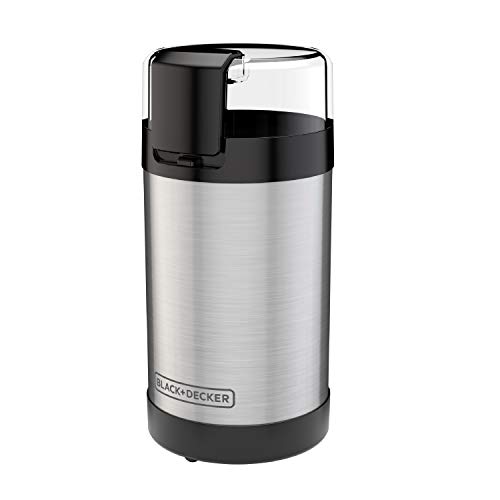
STAINLESS STEEL BLADES AND BOWL - The sharp blades and durable grinding bowl are built to last, delivering uniform grinds with every use

40 EXTERNAL ADJUSTABLE GRIND SETTINGS - Unlike traditional grinders with internal adjustments, our manual coffee grinder offers 40 precise external settings. The easy-to-use adjustment ring lets you select your perfect grind level, broadening your coffee flavor options without the mess of stray grounds. Perfect for espresso, pour-over, French press, and more.
Plunge Correctly: Slow, Steady Pressure for a Clean Cup
If you let the brew finish extracting before you touch the plunger, you’ll keep the grounds settled and the sediment below the pour line. After the two‑stage rest, place your thumb on the plunger and apply slow, steady pressure. The steadyunger technique should stop when the mesh reaches the liquid surface, not at the bottom, to preserve the sediment control layer. This gentle motion prevents pressure spikes that could pop the lid or splash hot water. By keeping the filter just above the settled grounds, you avoid remixing fines and maintain a compact sediment bed. When you pour, tilt the press and decant from the top, letting the settled layer remain undisturbed for a clean cup. Use a coarser grind for the steeping method to ensure proper extraction. Maintaining a 1:15 coffee‑to‑water ratio helps achieve a balanced strength. Proper water temperature, typically around 92‑96 °C, is crucial for optimal extraction. Ensure the metal filter is securely attached to the plunger before brewing.
Boost Strength Using Simple Tweaks (Smaller Vessel, Fresh Beans, Dark Roast)
A smaller French press naturally concentrates the brew, so keeping the same coffee dose while reducing water volume raises the coffee‑to‑water ratio and intensifies extraction. Aim for a 1:13–1:15 ratio; a 50 g dose with 650 g water yields a noticeably stronger cup than the standard 1:15. Use fresh beans, grinding them just before brewing, to preserve volatile oils and achieve a fuller flavor that amplifies perceived strength. Choose a dark roast; its deeper body and reduced acidity make the brew feel bolder without altering caffeine. Weigh coffee and water for repeatable results, and maintain a consistent coarse grind to avoid sediment. These three tweaks—smaller vessel, fresh beans, dark roast—deliver a robust, concentrated French press coffee. The French press’s mesh filter allows the oils and fine particles to stay in the cup, enhancing body and richness. For optimal balance, consider the coffee‑to‑water ratio of 1:12 to 1:14 for a richer, more intense flavor. The extraction method of a French press differs from espresso, providing a smoother, less acidic profile that many coffee enthusiasts prefer.

Contains one (1) 18 Ounce Bag of Peet's French Roast Whole Bean 100% Arabica Coffee
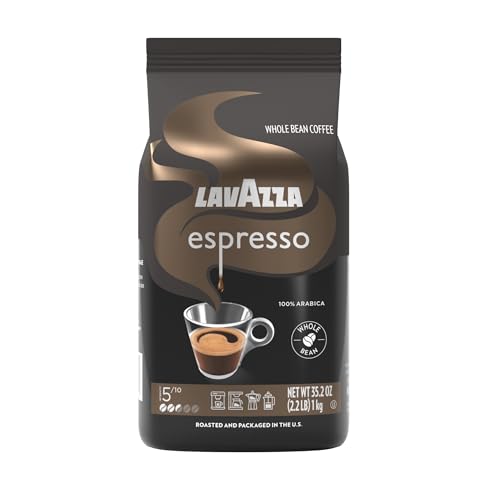
INTENSITY AND ROAST: With a 5/10 intensity, this fragrant medium roast offers a sweet and aromatic finish

TASTING NOTES: Roasted hazelnuts, chocolaty balanced body and a long lasting finish.
Troubleshoot Weakness, Bitterness, and Sludge in Strong French Press Coffee
Your stronger French press may still taste thin, bitter, or gritty if the extraction parameters drift from the ideal balance. Check the coffee‑to‑water ratio; aim for 1:15–1:16 by weight to boost body without over‑extracting. Keep steeping at 4 minutes and water at 90–96 °C; lower temps weaken flavor profile, higher temps scorch the bean origin and add harsh notes. Adjust grind size incrementally: coarser if bitterness or sludge rises, finer if the cup feels weak. Guarantee the mesh filter is intact and clean; a damaged filter compromises filter extraction and lets fines into the cup. Stir gently once, then plunge slowly for a steady 30‑second press. Maintain this precise brewing ritual to balance strength, smoothness, and clarity. For a consistent result, follow the paper filter preparation steps recommended for Chemex brewing. Consider how the high‑pressure extraction of espresso creates a crema‑topped shot, which contrasts with the French press’s full‑bodied, slightly gritty cup. Using a coarse grind helps prevent over‑extraction during the long steep.

48 Grind Settings and Large Capacity : The Aromaster electric coffee grinder offers 48 different settings, from fine espresso to coarse French press. The timer allows you to adjust the amount of coffee powder, and the large chamber can grind up to 3.9 ounces, perfect for families and offices

EASILY SELECT GRIND SIZE AND CUPS OF BREWED COFFEE: Whether you need a fine grind size for espresso or a coarse grind for French press, we've got you covered. Just turn the grinder's adjustable selection ring. Grinds enough to brew 4-14 cups.

Tired of small batches? Meet the world's first manual grinder with a massive 60g capacity—Hold twice the beans of the standard grinders. 2X the beans, 0 interruptions! Now you can grind exactly what you need in one grind session, instead of two. Grind less, brew more. Perfect for french press, cold brew, pour-over, camping, travel, big families, or mornings that can't wait.