
You’re probably wondering why some shots pop with bright, balanced flavor while others taste flat or bitter—here’s the thing: espresso hinges on fresh, high‑quality beans ground uniformly fine, a dose of 18‑20 g, and a 1:2 brew ratio (≈36 g yield). Roast level sets temperature: light roasts need 94‑96 °C, dark roasts thrive at 90‑92 °C, both at ~9 bars pressure and a 30‑lb tamp. Water chemistry, pressure, and visual cues like a 3‑5 mm golden crema complete the picture, and tweaking one variable at a time lets you dial in perfection. Keep these basics in mind and you’ll quickly see how each factor shapes the espresso you love.
Are Bean Quality and Grind Size the Foundation of Espresso?
Are bean quality and grind size the foundation of espresso? You’re right to wonder—these two factors set the stage for every shot. Bean origin determines flavor depth, sweetness, and balance, while grind consistency controls resistance and extraction time.
Here’s picture a fine sand beach versus a pebble path. A uniform, fine grind creates the pressure needed for a short, concentrated brew; any coarseness drops resistance, producing a weak, under‑extracted cup.
Here’s the thing: even the best beans can taste flat if your grinder can’t dial in an espresso‑level particle size. Freshly ground beans preserve aromatic oils, so you avoid stale, muted flavors.
All right, focus on sourcing high‑quality beans and maintaining grind consistency. The takeaway? Good beans plus a precise, fine grind give you a solid espresso foundation. Next, consider which roast level best complements your extraction. Espresso is 8‑10 × stronger than drip coffee. Grind beans close to the brewing equipment to keep aroma fresh. Using the wrong grind can cause channeling and ruin the shot. A well‑calibrated burr grinder ensures particle size uniformity across the puck.

PROFESSIONAL CONICAL BURR COFFEE GRINDER- WIth new upgraded 3.0 conical burr grinding technoloy, the coffee grinder ensures that every grain of ground coffee powder is the same shape and size. The fines percentage below 15% for optimal flavor extraction and coffee taste. Compared to ceramic conical burr on the market, our coffee bean grinders are equipped with stainless steel conical burr for long-lasting durability.
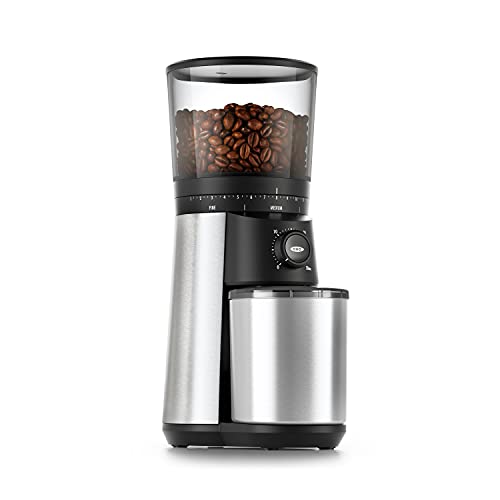
40mm stainless steel conical burrs: Precision grinding system produces uniform coffee grounds to ensure even extraction for rich, balanced flavor in every cup.
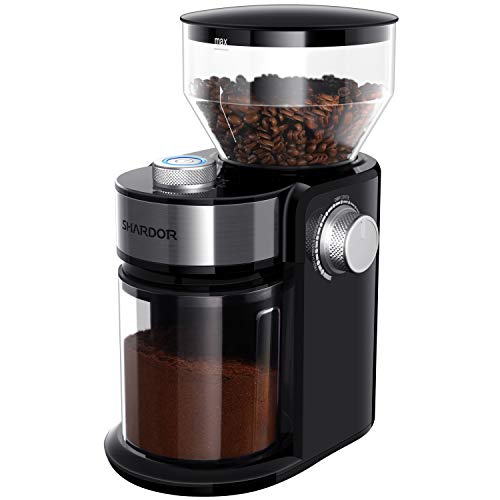
[ UNIFORM BURR GRINDING ] Premium metallic flat burr mill ensures consistent, uniform grounds without burning beans. Perfectly preserves rich coffee aroma for pour-over, drip, and cold brew.
Which Roast Level Works Best for Espresso Extraction?
You’re right to wonder which roast will give you the best espresso, because the roast sets the flavor and extraction profile. Light roasts bring bright roast aroma and nuanced origin notes, but their density means you’ll need a longer extraction time or higher temperature to avoid sourness. Medium roasts sit in the sweet spot; they balance sweetness, body, and acidity, and usually work well with standard extraction time and temperature, making them the safest starting point. Dark roasts extract easily, offering strong body and crema, so a shorter extraction time and slightly lower temperature keep bitterness at bay. Dark roasts are less dense, allowing faster solvent penetration.
Which roast should you start with?
If you crave clarity and brightness, go light and adjust grind and temperature. If you want consistency and balance, choose medium. If you prefer boldness and a quick shot, opt for dark.
Takeaway: Match roast to your flavor goal and tweak extraction time accordingly. Next, explore how dose, yield, and brew ratio shape that balance.
A consistent grind size is essential for uniform extraction, as burr grinder technology ensures the particles are evenly sized, reducing channeling and improving shot quality. Pre‑heating the machine ensures stable temperature before brewing. Using high pressure with regular drip‑ground coffee can cause channeling and weak crema.

32 oz Bag of Gaviña Old Havana Espresso Whole Bean Coffee — freshly packed to preserve peak flavor and aroma. Grind fresh for a truly rich espresso experience.

One bag of 2.2lb Lavazza Espresso Barista Gran Crema Whole Bean Coffee Blend
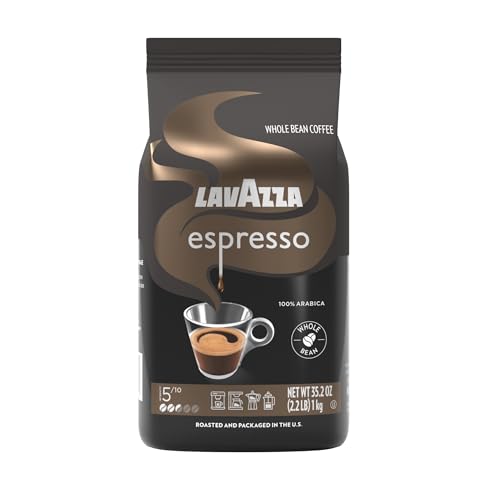
INTENSITY AND ROAST: With a 5/10 intensity, this fragrant medium roast offers a sweet and aromatic finish
How Do Dose, Yield, and Brew Ratio Shape Espresso Balance?
If you’re wondering how dose, yield, and brew ratio team up to give you a balanced espresso, you’re on the right track.
How does dose set the foundation?
You start with 18–20 g of dry coffee in the basket. A larger dose adds body and strength, while a smaller dose lightens the cup. Consistent dosing lets you repeat the same flavor balance shot after shot.
What role does yield play?
Yield is the weight of liquid you pull—usually 36 g for a 1:2 brew ratio. A higher yield thins the taste profile; a lower yield concentrates it, sometimes adding bitterness. Weighing the output keeps extraction consistency reliable.
Why does brew ratio matter?
Brew ratio links dose to yield. A 1:2 ratio (18 g → 36 g) gives a classic espresso balance. Shorter ratios (1:1‑1:1.5) create ristretto intensity; longer ratios (1:2.5‑1:3) produce a lighter cup.
Takeaway: Adjust one variable at a time, record the numbers, and you’ll dial in a taste profile that hits your flavor balance goals. Next, explore how temperature and pressure fine‑tune those results.

【58MM ESPRESSO MACHINE COMPATIBILITY】Designed to work with 58mm espresso portafilters, this dosing cup and scale set provides a secure fit and efficient coffee prep for most home and commercial espresso machines.


SLEEK AND INTUITIVE DESIGN: The Subminimal Subscale boasts a matte black finish with a barely visible capacitive touch on/off switch. Its invisible LED display activates with a simple touch, offering a streamlined and elegant way to weigh your coffee grounds. This modern design elevates your kitchen gadgets while simplifying your brewing experience.
Why Do Temperature and Pressure Matter for Espresso Flavor?
When you wonder why a few degrees or a bar of pressure can swing your espresso from bright to bitter, you’ve hit the core of espresso chemistry.
How does temperature shape the shot?
Temperature stability keeps extraction pace predictable. At 90‑96 °C you dissolve sweet sugars and bright acids; a degree hotter pulls more bitter compounds, while a cooler brew leaves the cup thin and sour. Light roasts need the upper end of this range, dark roasts the lower.
Why does pressure matter?
Pressure dynamics force water through the puck, emulsifying oils and creating crema. Around 9 bars extracts flavors efficiently; dropping to 7 bars yields weak, under‑extracted sip, while 11 bars can over‑extract and taste harsh.
What’s the sweet spot?
Balanced flavor emerges when temperature and pressure stay steady throughout the 25‑30 second shot. Consistency beats occasional extremes.
*Takeaway:* Keep both temperature and pressure stable, and you’ll hit the narrow window where sweetness, acidity, and bitterness coexist. Next, explore how tamping influences shot resistance.
A consistent dose range ensures the right amount of coffee for optimal extraction. proper grind size is critical for achieving the correct flow rate and pressure during brewing. Regularly descale the machine to prevent mineral buildup that can disrupt temperature stability.

Professional Pump: Come with 20 bar original Italian pump for easily extract strong flavored and rich crema espresso; Fast Heating: 1350 watts powerful boiler, preheating in just 30 secs, lets you make a delicious espresso in 1-3 mins

Professional Pump: Come with 20 bar original Italian pump for easily extract strong flavored and rich crema espresso; Fast Heating: 1350 watts powerful boiler, preheating in just 30 secs, lets you make a delicious espresso in 1-3 mins

Professional Pump: Come with 20 bar original Italian pump for easily extract strong flavored and rich crema espresso; Fast Heating: 1350 watts powerful boiler, preheating in just 30 secs, lets you make a delicious espresso in 1-3 mins
How Does Tamping Affect Shot Resistance and Consistency?
Because a solid, level puck is the gatekeeper of water flow, you’ll see how even a slight tilt can turn a smooth extraction into a channel‑filled mess. You’re probably wondering why tamp pressure matters if the numbers seem arbitrary. The thing is, a consistent 30 lb tamp gives you predictable resistance, but going to 50 lb won’t magically speed the shot; it just risks uneven density and channeling.
How does a level tamp improve flow uniformity? Imagine squeezing a sponge flat—water spreads evenly. When you press straight down, the puck resists pressure uniformly, so each drop follows the same path. Angled pressure creates weak spots, letting water rush through faster channels and leaving other grounds under‑extracted.
What can you do to stay consistent? Use a stable mat, align your wrist with the basket, and repeat the same grip each time. The takeaway: focus on a flat, repeatable tamp rather than chasing a higher force. Next, ask yourself how water quality will shape your crema and overall taste. Adding a calibrated tamper can help you achieve the target puck density more reliably. Proper water temperature also plays a crucial role in extracting balanced flavors. Consistently applying the recommended 30 psi pressure helps maintain uniform extraction across shots.
How Does Water Quality Influence Crema and Overall Taste?
You’re probably wondering why the same beans can taste totally different from one espresso machine to another, and the answer lies in the water you use. Hard water cuts crema, while overly softened water can over‑extract, making shots bitter. A balanced mineral profile—what we call mineral balance—helps coffee compounds dissolve evenly, giving you body, sweetness, and a smooth texture.
Here’s the thing: alkaline water holds CO₂ longer, so you’ll see a thicker, more stable crema. Acidic water releases CO₂ fast, thinning the crema and brightening the cup. The pH impact also shifts acidity, making the espresso taste rounder or sharper.
All right, remember: good water, not just good beans, creates the crema you love and the flavor you expect. Test your water’s hardness and pH, then adjust until you hit that sweet spot. Using a French press can also help you aerate the milk for a richer foam. Drinking espresso can trigger the gastrocolic reflex, which may increase bowel activity for some individuals.
When Should Grind Fineness Be Adjusted to Prevent Under- or Over-Extraction?
If your espresso pulls too fast, you’re probably under‑extracting, and the fix is a finer grind. You’ll notice a weak, sour taste and a brew time under 25 seconds for a double shot. Adjust the grind timing by moving one or two clicks finer, then purge 5–10 g and test again.
All right, when the shot drags past 30 seconds, you’re likely over‑extracting. The puck chokes, resistance spikes, and bitterness dominates. Coarsen the grind in tiny steps, keep dose and tamp constant, and watch the extraction rate speed up.
Here’s the thing: always pair sensory clues with brew time. A finer grind speeds extraction, a coarser grind slows it. Small, consistent changes let you dial in the perfect balance without overshooting.
Takeaway: tweak grind size only when extraction rate deviates from the 25‑30 second window, using 1‑2 click adjustments and immediate retests. Next, ask yourself what visual cues the shot gives you. Particle size distribution also influences extraction stability. The high‑pressure extraction of espresso creates a crema that adds body and aroma to the cup. Proper water temperature ensures optimal solubility and flavor balance.
What Visual Cues (Crema, Body, Heart) Reveal a Perfect Espresso Shot?
Ever wonder why some espresso shots look so inviting while others fall flat? You’re looking at three layers: crema, body, and heart. Each tells a story about freshness, extraction, and balance.
What does the crema reveal?
The crema texture should be fine, smooth, and velvety, not frothy. A healthy layer sits 3–5 mm thick, golden‑brown to reddish‑brown, and lingers for a couple of minutes. If it collapses quickly or looks pale, the beans are stale or the extraction is off. Using filtered water can help maintain crema stability.
How does the body inform you?
Body thickness matters; a caramel‑brown middle that feels weighty indicates proper dissolved‑solid concentration. A watery, thin body signals under‑extraction or low intensity.
What about the heart?
The heart sits at the bottom, deep brown to near black. It adds bitterness that balances the sweet crema. Uniform separation of all three layers signals a well‑pulled shot.
Takeaway: Look for a velvety, 3–5 mm crema, a dense caramel body, and a deep‑brown heart. If those cues line up, you’ve got a perfect espresso. Next, ask yourself: how can you tweak grind or pressure to maintain this visual harmony? A consistent tamping pressure ensures even extraction across the puck. A single shot typically contains 63–75 mg of caffeine, which is less than the 95–165 mg found in a standard 8‑ounce cup of brewed coffee.
How to Diagnose Common Espresso Problems and Troubleshoot Them?
When your espresso tastes off, you’re probably wondering whether the grind, dose, or temperature is to blame. Start espresso flavor profiling: sour, thin shots signal under‑extraction, while bitter, harsh sips point to over‑extraction.
Is the shot too fast or too slow?
Fast shots usually mean a coarse grind or low dose; slow shots mean a fine grind or high dose. Adjust half a notch and watch the 25‑30 s window shift. Minimum 6 bars pressure is essential for proper extraction.
Is channeling ruining the puck?
Uneven distribution creates paths of least resistance. Use a WDT, level tamp, and avoid wet baskets.
Are beans or the machine the culprit?
Fresh beans (1‑3 weeks post‑roast) boost crema; dirty group heads or worn burrs spoil flavor.
Takeaway: Diagnose by matching taste to time, grind, and dose, then tweak one variable at a time. Next, try a single adjustment and re‑profile the flavor.

【Thinner 14 Needles】 Needles evenly distributed design. 7 food-grade stainless steel needles, 0.35mm diameter, the perfect size for breaking up coffee clumps, plus 7 replacement needles. Thoughtful needles storage tube. Say goodbye to the bent needles

【A Perfect Espresso Shot Companion】 Nessus espresso distributor includes 10 food-grade stainless steel needles with a 0.35mm diameter, which is the perfect size to break up coffee clumps. For added convenience, we provide an extra set of 10 needles in a storage tube. A good choice to add this espresso machine accessories to your coffee bar!

Even Espresso Extraction - This coffee stirrer uses 5 fine 0.4mm needles which help to distribute the coffee evenly in the filter when the barista is making the coffee to promote a more even extraction and better espresso. Eliminates clumping and improves consistency.