
You’re probably wondering why a Chemex makes coffee taste so clean and balanced, and how you can nail it every time. Here’s the thing: use a 1:15‑1:16 coffee‑to‑water ratio, grind to a medium‑coarse sea‑salt texture, and follow a staged pour—30 s bloom with twice the coffee weight, then 45 s, 1:30, and 2:30 pours—keeping the water between 195‑205 °F. This timing and temperature give even extraction, so you avoid bitterness or sourness; next, just rinse the filter, pre‑heat the glass, and enjoy a crisp cup that shows the brew’s true flavor.
Brew a Perfect Chemex Cup in 5 Minutes
How can you brew a Chemex in just five minutes? You start with water at 195‑205 °F and a 1:15‑1:17 coffee‑to‑water ratio—say 45 g coffee to 720 g water. Grind medium‑coarse, level the grounds, then preheat the Chemex with hot rinse water; this protects the filter taste and preserves aroma.
Now, bloom with twice the coffee weight—about 90 g water—and wait 30‑60 seconds. The bloom releases trapped gases, letting the aroma shine. Then pour in a gentle circular motion, staging pours at 30 s, 45 s, 1:30, and 2:30. Keep the flow steady; you’ll finish in roughly four minutes.
Ensure the filter paper does not collapse before adding the coffee grounds. All right, when the drip slows, discard the filter and grounds, and start a quick cleaning routine: rinse the vessel while it’s warm to prevent oil buildup. Takeaway: precise temperature, ratio, grind, and timing give you a balanced cup in five minutes. Next, gather your Chemex equipment and filters. proper filter fold ensures a tight seal and prevents channeling. Using a paper filter helps eliminate unwanted residues and enhances clarity. coarse grind improves extraction consistency.

PURE COFFEE FLAVOR: The signature cone shape delivers uniform saturation and extraction for a clean, balanced, sediment-free pour over cup every single time

PURE: The cone shape of all CHEMEX filters ensures uniform extraction for pure coffee flavor in every brew

Step 1: Fold the CHEMEX filter in half. Then fold in half again, bringing the two corners together. Place your finger between the 3rd and 4th layer and open into a funnel.
Gather Your Chemex Equipment and Filters
If you’re wondering why the right gear matters, you’re on the right track. You need a 6‑cup Chemex, a gooseneck kettle, a kitchen scale, and a timer. The special bonded paper filter unfolds with three layers facing the spout, preventing collapse and ensuring even flow.
Here’s the thing: rinse the filter with hot water, discard the rinse, and preheat the glass. That removes paper taste and stabilizes temperature.
All right, keep your filterholder clean; wipe it after each brew to avoid residue. Store dry filters in a sealed container to keep them fresh.
Obviously, a clean setup yields consistent extraction. Your next move: measure coffee and water accurately before you pour. Use a precision scale to ensure the correct coffee‑to‑water ratio.
A gentle brush can help remove lingering coffee oils from the glass walls after each brew, supporting flavor consistency.
Regularly descaling your Chemex equipment can prevent pump wear and extend its lifespan.
The thick paper filter also reduces sediment compared to metal mesh methods.

AUTOMATIC POUR OVER COFFEE MAKER: The Chemex Ottomatic combines automatic drip convenience with the clean, signature Chemex pour over cup - simple, easy to use, with timeless, elegant design

CHEMEX - simple, easy to use with timeless, elegant design
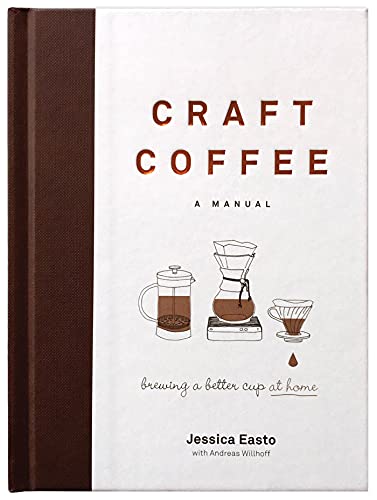
Set the Ideal Chemex Coffee‑to‑Water Ratio (1:15‑1:16)
You’ve just got your Chemex clean and ready, so the next thing you’re probably wondering is how much coffee to use for the perfect cup. The answer lies in the coffee‑to‑water ratio, typically 1:15 to 1:16. Start with 1:16—30 g coffee to 480 g water—if you want a balanced brew, then tweak toward 1:15 for a bolder cup or 1:17 for a lighter, clearer taste.
Now, brewing temperature matters too. Aim for 195‑205 °F; hotter water extracts more quickly, making a stronger cup, while cooler water yields a softer profile.
Consistent grind size helps ensure even extraction, which is crucial for achieving the desired flavor balance. All right, keep the ratio proportional as you scale up or down, and adjust only after tasting. The takeaway: use a 1:15‑1:16 ratio with proper brewing temperature, then fine‑tune to your palate. Next, ask yourself how fine you should grind for that perfect extraction. Using a paper towel as a makes filter can introduce unwanted chemicals and affect flavor. A typical French press uses about 1 tablespoon of coffee per 8 oz of water.
Grind Chemex Coffee to a Medium‑Coarse, Sea‑Salt Texture
What should your Chemex grind look like? You want a medium‑coarse, sea‑salt texture that feels like coarse sand between your fingers. This bean texture gives the right flow through the thick paper filter, preventing both over‑ and under‑extraction. Aim for particle size around 1100‑1300 µm; a burr grinder set near 18‑20 on a Baratza Encore usually hits the mark.
All right, check grind uniformity. Even particles mean consistent extraction, while uneven bits cause bitterness or sourness. Burr grinders deliver that uniformity, unlike blade grinders that scatter fines and boulders. If you see clumps or a mix of fine dust and large chunks, adjust the dial a notch finer or coarser until the sea‑salt feel appears.
Obviously, visual cues trump dial numbers because bean density and roast shift the ideal setting. Once you see that uniform, coarse‑sand texture, you’ve nailed the grind. Next, you’ll move onto the brew procedure—ready to pour? The extraction rate for a Chemex is typically moderate and benefits from the medium‑coarse grind to balance flow and contact time. The particle size directly influences how quickly water passes through the filter, affecting overall brew strength. A well‑designed flat burr can further enhance consistency across batches.
Execute the Chemex Brew Procedure Step‑by‑Step
You’re probably wondering why the first pour feels so essential—it’s the bloom, and it sets the stage for a clean extraction. You’ll place the Chemex filter with the triple‑fold side toward the spout, rinse it hot, discard the rinse water, and preheat the vessel. Then you’ll add 50 g coffee (or your preferred ratio) and level the bed with a gentle shake.
Now, start the timer and pour 80 g water in a centered spiral, saturating every ground. This bloom releases CO₂ and awakens the filter aroma. Wait about 45 seconds, then begin the main pour technique.
All right, continue pouring in slow concentric circles, pausing only to let water drain near the target level—300 g, 350 g, 450 g, and so on—until you reach 700 g total. Stop, let the drawdown finish, discard the filter, and serve.
Takeaway: mastering the bloom and steady pour technique yields a bright, balanced cup. Next, explore how bloom and drain times affect consistency. The Chemex’s thick, chemically bonded paper filter ensures a clean cup by removing most oils and fine particles. Using a cold‑brew ratio can further enhance the coffee’s smoothness. AeroPress parallelgrind size is typically fine‑medium for optimal extraction.
A well‑calibrated grind size is crucial for controlling extraction rate and preventing channeling.

Upgraded Thickness & Purer Taste: The paper process has been completely upgraded, increasing the paper thickness by 30%, resulting in more even fiber distribution and finer filtration. Our next-generation paper coffee filters are engineered with 100% premium Canadian pulp and advanced fiber distribution. Effectively trap excess oils, fine sediment, and bitter particles. Experience a cleaner, smoother cup with our next-gen filters.

PURE COFFEE FLAVOR: The signature cone shape ensures uniform saturation and extraction for a clean, balanced, sediment-free pour over cup every single time

Convenient Pre-Folded Design: Enjoy the convenience of our pre-folded coffee filters designed to save you time without the hassle of folding. Just place, brew, and dispose for a no-fuss cleanup.
Control Bloom and Drain Times for Consistent Extraction
Why does the bloom matter for a steady drain? You’re probably wondering why that first splash feels so essential. Bloom timing lets the coffee release trapped CO₂, fully wetting the grounds before you start the main pour; that prevents channeling and sets a smooth flow.
How do you keep the drain steady? You’ll want a 30‑45‑second pause after adding 45‑60 g of water for 45 g of coffee, then pour in gentle, 100‑g stages. Swirl the Chemex lightly to flatten the bed, and avoid the filter edge. Mid‑brew pauses let the water level drop, giving you better Drain control.
Takeaway: Consistent bloom timing plus paced pours give you a predictable, even extraction. Ready to fine‑tune your pour pattern? A longer steep time can increase body but risk over‑extraction if it exceeds 4 minutes.
For optimal balance, aim for a coffee‑to‑water ratio of about 1 gram per 15 grams of water.
When using a nitrogen charger, the infusion creates a velvety texture similar to the micro‑foam found in nitro cold brew.

5 𝑶𝑵𝑬-𝑻𝑶𝑼𝑪𝑯 𝑷𝑹𝑬𝑺𝑬𝑻𝑺: Your Gooseneck Electric Kettle features 5 precise temperature presets. These accurate presets make brewing coffee or tea a breeze

PRECISION GOOSENECK POUR OVER KETTLE: The Chemex Chettle features a precision gooseneck spout that gives you the slow, steady, controlled pour that great pour over coffee demands

Electric gooseneck kettle, ideal for use with pour over coffee makers 0.8 liter / 27oz capacity
Troubleshoot Over‑Extraction, Under‑Extraction, and Flavor Adjustments
If your Chemex tastes bitter or sour, you’re probably wondering whether you’re over‑extracting or under‑extracting.
Why does bitterness appear?
Over‑extraction pulls too many solubles, giving harsh, astringent notes. The usual culprits are a grind that’s too fine, brew time that runs long, or water hotter than 205°F. Channeling or clogged flow intensifies the problem.
How to fix it?
Apply over‑extraction remedies: coarsen the grind to a medium‑coarse texture, drop the water temperature a few degrees, and shorten the pour. Keep the coffee‑to‑water ratio around 1:15–1:17.
Why does sourness happen?
Under‑extraction leaves sugars and balanced acids under‑dissolved, producing a thin, acidic cup. A coarse grind, cool water (below 195°F), or a short brew time are typical triggers.
How to adjust?
Use under‑extraction tweaks: grind a touch finer, raise the temperature a few degrees, and extend the contact time. Increase dose slightly for more body.
Takeaway
Tweak one variable at a time, taste, and repeat.
Next step
Try a single adjustment, then note the flavor shift before moving on.
High‑pressure extraction offers a quick, concentrated brew that highlights intense flavor notes.
A proper tamping technique can also improve flow consistency in espresso, reducing channeling and promoting even extraction.

【Adjustable Grinding Precision】There are seconds marks above the timing knob, from coarse to fine. You can choose the precision of powder according to your needs.
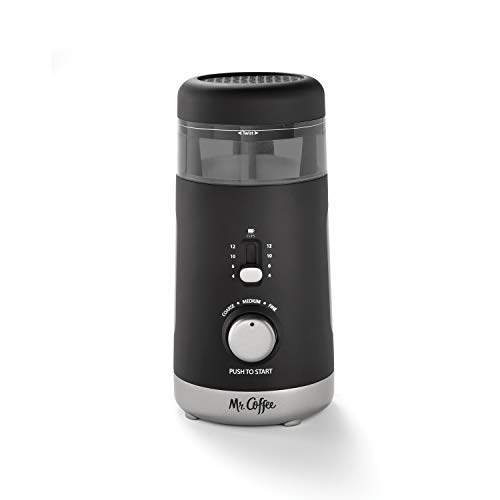
Hands-free Grinding: Automatic settings for efficient, stress-free use

EASILY SELECT GRIND SIZE AND CUPS OF BREWED COFFEE: Whether you need a fine grind size for espresso or a coarse grind for French press, we've got you covered. Just turn the grinder's adjustable selection ring. Grinds enough to brew 4-14 cups.