
No—your Keurig brews strong coffee, not real espresso. Here’s the thing: authentic espresso needs 9 bars of pressure and 35-second extraction. Your Keurig generates far less pressure, skips tamping entirely, and works like a drip brewer. You’ll get a bold cup without the signature crema or dense body true espresso delivers. The good news? You can brew espresso-style shots using special K-Cups, the smallest cup setting, and Strong Brew mode. It won’t be identical, but it’ll get you surprisingly close—and there are specific tricks that make a real difference.
Does Keurig Actually Brew Espresso?
You’re asking the right question—and the answer’s going to disappoint you if you’re hoping for true espresso from your Keurig.
Here’s the thing: authentic espresso requires brewing under about 9 bars of pressure. Your Keurig? It’s a drip-style brewer that doesn’t generate that pressure at all. So technically, no—you can’t brew real espresso.
Now, you can get espresso-style coffee. Many brands sell espresso pod flavors designed specifically for Keurig machines. When you use the smallest brew size or hit the “shot” button, you’ll get a more concentrated, bolder cup. Pair that with a dark-roast espresso pod, and you’ve got something that tastes intense and robust.
But it won’t have the crema or the extraction method of café espresso. Think of it as a convincing substitute, not the genuine article.
Regular maintenance, like descaling and cleaning the water tank, helps keep the brew temperature consistent. Proper descaling preserves flavor and ensures optimal performance over time.
If you value flavor control, a traditional espresso machine lets you adjust grind size and tamp pressure for a richer experience.
Why Keurig Can’t Brew Real Espresso
Since authentic espresso demands roughly 9 bars of pressure, and your Keurig operates nowhere near that threshold, the machine simply can’t replicate the extraction method espresso requires. You’re working with a drip-based system designed for convenience, not precision extraction.
Here’s the thing: espresso needs pressure to force hot water through tightly packed, finely ground coffee. Your Keurig’s pod design bypasses this entirely. Those pre‑packaged pods sit loosely in a filter chamber—there’s no tamping, no compression, no resistance. Water flows through too quickly and too gently. The K Latte’s shot button brews 2 ounces in approximately 35 seconds, which scales to roughly 2 minutes 20 seconds for an 8‑ounce cup—a contact time far too brief for genuine espresso extraction despite being longer than typical Keurig brews.
The result? You get strong coffee, not espresso. Without sufficient pressure, extraction stays closer to regular drip brewing. The body feels lighter. Real crema never forms. Obviously, bold‑roast pods taste darker, but texture still misses what makes espresso actually espresso.
The machine design prevents espresso‑style extraction at a fundamental level. This limitation also affects the ability to create micro‑foam for latte art. Additionally, Nespresso’s capsule chamber ensures consistent pressure and temperature control for authentic espresso. Conical burrs produce less heat during grinding, which can preserve delicate coffee flavors.

【Make Favorite Espresso Coffee by Yourself】The espresso machine with milk frother allows you to prepare all your favorite espresso-based coffees. You can enjoy a barista-brewed latte, cappuccino or macchiato at home. This compact espresso coffee maker is perfect for home or office use

☕𝐏𝐫𝐨𝐟𝐞𝐬𝐬𝐢𝐨𝐧𝐚𝐥 20 𝐁𝐚𝐫 𝐏𝐫𝐞𝐬𝐬𝐮𝐫𝐞: Embrace barista-style brewing with Arecovas espresso machine! With a 20-bar pressure system and a robust 1300W boiler, the espresso maker extracts premium coffee for lattes, cappuccinos, and more

MANUAL HAND-TEXTURED MICROFOAM: The powerful steam wand on this cappuccino maker and latte machine is designed to quickly turn milk into smooth, flavorful microfoam for creating latte art at home
How to Make Espresso-Style Coffee With Your Keurig
Start with an espresso pod designed for bold flavor. Café Bustelo Espresso‑Style Dark Roast and Lavazza Expert Espresso deliver the intensity you’re after. These specialty options crush generic pods because they’re built for a stronger flavor profile.
Nail Your Cup Sizing and Settings
Brew into the smallest available cup—4 or 6 ounces—to maximize concentration. Select “strong brew” if your machine offers it. This combination dramatically increases extraction and gets you closer to authentic espresso’s intensity.
Layer Your Technique
Add milk steaming or cream immediately after brewing. Consider double‑brewing with two pods back‑to‑back for extra boldness. Temperature control matters: preheat your cup with hot water first to ensure ice cools coffee instantly. Fresh serve tastes best—don’t wait. For a smoother texture, you can also filter the brew before serving. Using a fine grind helps create a richer crema even without a traditional espresso machine.

NESPRESSO VERTUOLINE VARIETY PACK ASSORTMENT: This Nespresso coffee assortment offers 30 Nespresso Pods in a variety of 3 best-selling coffee blends for the Nespresso VertuoLine System.10 Stormio, 10 Odacio, 10 Melozio

Pour Up and Power Up: Pack of 264 13 mL pods of smooth, black and unsweetened SToK Espresso Coffee Shots; 40 mg of caffeine per pour *Limit two per day
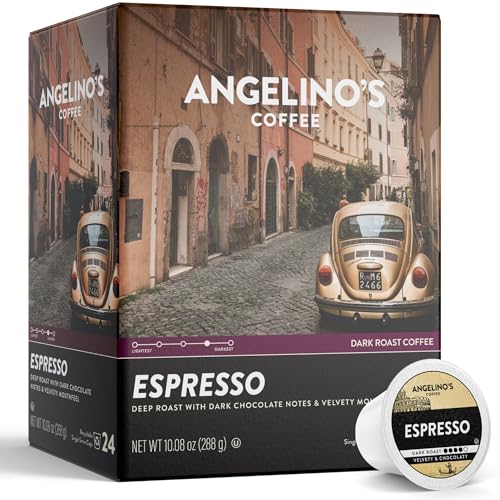
Our espresso pods are designed to work perfectly with your Keurig K-cup brewers, delivering a rich, full-bodied espresso experience at the push of a button.
Best Keurig Settings for Espresso-Style Coffee
You’ll want to brew using your machine’s smallest setting, typically 4 oz. Smaller volumes concentrate the coffee-to-water ratio, creating that intense, bold character you’re after. Larger sizes just dilute the flavor.
Activate Strong Brew Mode****
Now, pair that small size with your machine’s “Strong” or “Strong Brew” setting. This slows extraction, letting water contact grounds longer for deeper intensity. It won’t create true espresso pressure, but it gets you remarkably close.
Choose the Right Espresso Pod
All right, grab a dark roast or espresso-style K‑Cup. These pods brew stronger at low volumes. Pair quality beans with proper brew temperature control, and you’re maximizing what your Keurig can deliver. Investing in premium K‑Cups with higher-quality paper filters and thinner plastic will yield noticeably superior taste compared to cheaper alternatives. The OXO Rapid Brewer’s automated drip‑style operation demonstrates how consistency can be achieved with minimal user input. Consistent grind size enhances flavor extraction across brewing methods. Adjusting steep time by one‑minute increments can help you fine‑tune the balance of body and bitterness, similar to the timing considerations for French press coffee.

lavazza Espresso Italiano Single-Serve Coffee K-Cup for Keurig Brewer - 32 Count

Contains one (1) twelve (12) count box of Café Bustelo Espresso Style Dark Roast Coffee single serve coffee pods

6 ct box of Gevalia Frothy Artificially Flavored Cappuccino Espresso Style K‐Cup Coffee Pods & Froth Packets
Mistakes That Ruin Your Keurig Espresso Shot
Even with the right settings dialed in, most people sabotage their shot before the water ever hits the grounds. You’re likely making one of five critical mistakes that tank your results.
Are You Using Stale Grounds?
Freshly ground coffee matters enormously for espresso-style flavor. Old grounds lose CO2 and taste flat, pale, and dull. Grind size directly affects extraction balance too—get it wrong and your shot suffers.
What About Your Water?
Water mineralization influences everything. Distilled water hurts machine performance, while hard water causes scaling. Clean, properly mineralized water produces consistent, balanced shots. Avoid using distilled water since it lacks the minerals needed for proper heating element operation and can degrade both your machine and coffee taste over time. Regular descaling prevents mineral buildup and keeps the pressure gauge accurate. Proper brew temperature is also crucial for extracting the full flavor profile. Using a milk frother can help you achieve a smoother texture when adding milk to your espresso.
Is Your Machine Actually Clean?
You’re probably skipping maintenance. Spent coffee filters left in the brew chamber cause clogs. Regular descaling controls mineral buildup and maintains proper pressure gauge readings. Neglect weakens output fast.
Your cup volume matters too—overfilling dilutes results instantly.
Lattes, Cappuccinos, and Cocktails With Keurig
You’ll find that lattes and cappuccinos become your new go-to drinks. Brew an espresso‑style pod on the smallest setting, then froth whole milk for the creamiest results. Lattes need more milk and silky microfoam, while cappuccinos stay smaller and foam‑heavier.
Now, here’s where it gets fun: you can build milkatte variations by adding vanilla, caramel, or hazelnut syrups. Want to get creative? Your concentrated Keurig shots work surprisingly well in coffee cocktails—think espresso martini‑style drinks or iced cappuccino cocktails with spirits and cream mixers. For best results, fill the froth pitcher with cold milk up to the designated fill line before beginning the frothing process to ensure proper texture and temperature.
Cold froth settings open up iced variations too. Your Keurig’s concentrated coffee gives these drinks the flavor backbone they need to shine. Steam wand positioning is key to creating silky microfoam. Micro‑foam texture enhances both mouthfeel and temperature stability. Using a 1 gram‑to‑15 gram ratio helps maintain balance and prevent over‑extraction.
Should You Choose a Moka Pot Over Your Keurig?
If you’re wondering whether a moka pot might serve you better than your Keurig, you’re actually asking the right question—these two brewers work in fundamentally different ways.
What’s Your Priority: Speed or Strength?
Your Keurig delivers coffee in under a minute with minimal Keurig maintenance required. A moka pot takes up to 10 minutes and demands stovetop attention. Now, here’s the trade-off: moka pots produce richer, more concentrated coffee that mimics espresso’s body. Keurigs make standard drip-style beverages. The single-needle system in most Keurig models creates only one extraction point, which limits the depth of flavor you can achieve compared to manual brewing methods.
The Real Money Question
A budget pot like a moka costs far less upfront, and sustainability means you’re not buying pods constantly. Keurig convenience costs more long-term since each cup requires a new capsule. You’ll save money brewing with grounds in a moka pot. The brewing process typically lasts 4 to 6 minutes from start‑up to the coffee beginning to flow, and listening for the gurgling sound signals completion. Choose moka if you want stronger coffee and lower costs. Pick Keurig if speed matters most. The stovetop pressure created by the moka pot is essential for extracting the coffee’s full flavor profile. The pressure-driven extraction in a moka pot also helps highlight the nuanced notes of different bean varieties.

CRAFT COFFEE AT HOME: Produces six demitasse/espresso servings of rich, smooth espresso coffee in minutes. Craft your own espresso, Americano, Cuban coffee, Italian-style coffee, Moka, lattes, cappuccinos and more from the convenience of your home.Filter type:Reusable
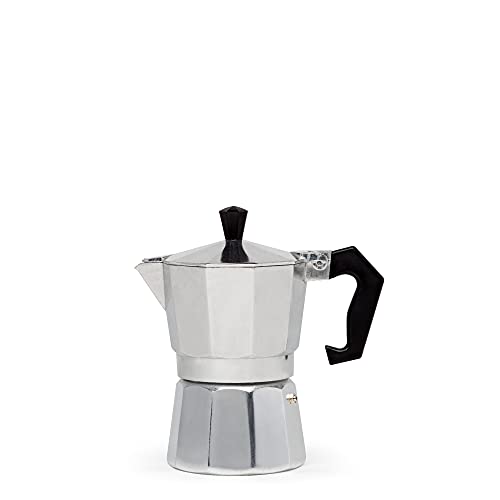
CRAFT COFFEE AT HOME: Produces three demitasse/espresso servings of rich, smooth espresso coffee in minutes. Craft your own espresso, Americano, Cuban coffee, Italian-style coffee, Moka, lattes, cappuccinos and more from the convenience of your home.

The original moka coffee pot: Moka Express is the original stovetop espresso maker, it provides the experience of the real Italian way of preparing a tasteful coffee, its unique shape and the inimitable gentleman with moustache date back to 1933, when Alfonso Bialetti invented it.Filter type:Reusable
Keurig vs. Real Espresso: Which One’s Right for You?
Here’s the thing—real espresso machines extract coffee under 9 bars of pressure, creating that signature crema and intensity Keurigs simply can’t match. You’re getting a concentrated shot designed as a base for lattes and cappuccinos, not a ready-to-drink cup.
The Real Cost Comparison
Upfront, Keurigs win. You’ll spend less initially and enjoy lower per-pod costs than espresso capsules. But espresso machines offer better long-term control over quality. Maintenance frequency matters too—espresso machines demand regular cleaning and skill, while Keurigs prioritize convenience. Meanwhile, K-Cups are generally cheaper per serving, especially in bulk or store brands, which can add up to significant savings over time.
Your Move
Pick Keurig for everyday speed and variety. Choose real espresso if you’re serious about café-quality drinks and willing to invest time.

#1 Worldwide Espresso Machine Maker* *Independent Research Institute, Sales Leader, Full Year 2025

[20 BAR PRESSURE SYSTEM] Equipped with 20 bar professional pump, SPACEKEY espresso machine can extract the oils in the coffee powder more deeply, bringing a more aromatic and rich smell. Smart pre-soak system can make the coffee powder evenly moist and the flavor extraction better. And the PID intelligently controls water temperature to make your espresso more delicious.

20-Bar Pressure & Gentle Pre-Infusion Optimizes Home Extraction: Built for apartment dwellers and coffee beginners, this semi-automatic maker uses 20-bar pressure and mild pre-infusion to soak grounds evenly. It reduces uneven extraction, creates rich golden crema and balanced flavor. Proper grinding and tamping brings pure tasty espresso for daily home brewing