
You’re probably skipping the bloom or using the wrong grind—that’s why you’re getting bitter, sediment-heavy cups instead of balanced coffee. Here’s what actually works: use coarse grounds (sea-salt texture), a 1:15 coffee-to-water ratio, and water heated to 195–205°F. Add grounds first, bloom with twice the coffee weight in water for 30–45 seconds, then add remaining water and steep four minutes. Plunge slowly, and you’ll notice the difference immediately—but there’s more technique that separates mediocre from exceptional French press.
Choose the Right Grind for Your French Press
If you’ve ever wondered why your French press coffee sometimes tastes bitter and muddy while other times it’s thin and sour, the grind size is probably your culprit. You need a coarse grind—think sea salt or small breadcrumbs—around 690–1300 microns.
Here’s the thing: grind consistency matters as much as size itself. French press uses immersion brewing, where coffee steeps rather than drips through. Coarse particles slow extraction during your typical brew time, preventing over-extraction and bitter flavors. Use a reliable weighing scale for precise measurements to ensure your 20 g of grounds maintains the optimal coffee-to-water ratio throughout your brewing process.
The mesh filter lets fine particles slip through, so sediment control depends heavily on that coarse grind. You’ll notice stronger plunging resistance with finer grounds—that’s your signal to adjust coarser. Start here, then adjust slightly finer if coffee tastes sour, or slightly coarser if it tastes harsh. The recommended 1:15 ratio helps achieve balanced extraction. For a richer, fuller cup, consider using a 30–35 g per 500 ml coffee‑to‑water proportion. The full‑immersion brewing method also contributes to a heavier body and more nuanced flavor profile.

One 10 oz bag of Gevalia Guatemalan Single Origin Special Reserve Coarse Ground Coffee
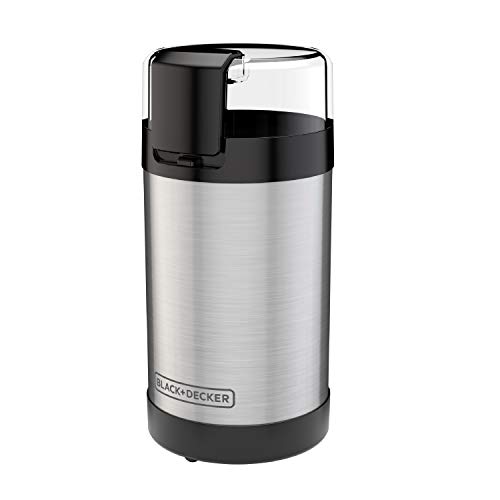
STAINLESS STEEL BLADES AND BOWL - The sharp blades and durable grinding bowl are built to last, delivering uniform grinds with every use
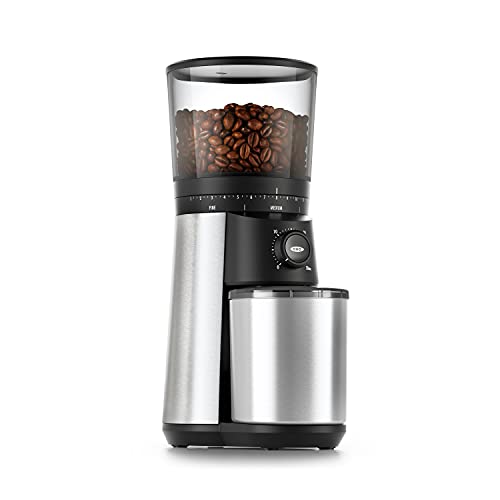
40mm stainless steel conical burrs: Precision grinding system produces uniform coffee grounds to ensure even extraction for rich, balanced flavor in every cup.
Get Your Coffee-to-Water Ratio Right
Now that you’ve nailed your grind, the coffee-to-water ratio becomes your second control lever for flavor. You’re probably wondering: how much coffee actually goes in? Here’s the thing—your ratio selection directly shapes extraction balance and brew timing.
Start with the golden standard: 1 gram coffee per 15 grams water. This produces a medium-bodied cup that works for most brewers. Use a kitchen scale rather than tablespoons—weight eliminates guessing and keeps grind consistency from throwing off your amounts.
All right, let’s get practical. For a 32 oz Bodum, aim for 56–63 grams of coffee. Want something stronger? Shift to 1:14. Prefer lighter? Try 1:16. You’re not chasing perfection here—you’re finding what tastes right to you while maintaining that extraction balance. Water temperature should be kept between 195‑205 °F to ensure optimal extraction. Use the 1‑2 tablespoons per 8 oz of water as a quick reference if you don’t have a scale. Proper brew timing ensures the coffee reaches its full flavor potential.
Heat Water to the Perfect Temperature
You’ve locked in your grind and nailed your ratio—so why does your French press sometimes taste bitter or flat? Water temperature is probably your culprit.
Boiling water scorches coffee and cranks up harshness. Instead, bring water to a boil, then wait 15 to 30 seconds before pouring. This brief rest achieves your ideal brewing zone: 195°F to 205°F.
Here’s the thing: temperature and timing work together for brew consistency. Light roasts shine at 200°F to 205°F. Dark roasts taste smoother around 190°F to 195°F. Medium roasts land comfortably in the middle.
Preheat your French press while your water cools slightly. Pour promptly after your wait—don’t let temperature drift too far. You’ll taste the difference immediately. For a smoother concentrate, use a coarse grind and a 1:4 to 1:5 coffee‑to‑water ratio. Consistently using a 1:4 coffee‑to‑water ratio helps achieve the smoothness described in cold brew concentrate recipes.

Built-In Thermometer - This insulated French press coffee maker features an integrated temperature gauge that ensures your water stays between 195-205°F, preventing burnt or under extracted coffee for consistently rich flavor every time

Product Specifications: Pour Over Coffee Specialist Precision, 600ML Kettle, 304 Stainless Steel Construction. Compact 5.5-inch design saves space, lightweight 0.8 lb construction enables precise water control during pouring.

Built-In Thermometer: Ensures your water stays at the ideal 195–205°F for each brew. No more bitter or burnt coffee with precise temperature control in this french press coffee maker.
Prepare Your Press: Add Grounds Before Pouring
The grounds go in first, before any water touches them—and this order actually matters more than you’d think. You’re building a stable foundation for even extraction, not just dumping coffee randomly into your preheat press.
Start with coarse grounds—think sea salt or breadcrumb texture. Fine grounds slip through the mesh filter and create grit in your cup. Consistency keeps extraction uniform and makes plunging smoother later.
Now, distribute your grounds evenly across the carafe bottom. You want that bed settled before water consistency matters. A prepared surface prevents clumping and helps every particle contact water at the same moment. For optimal results, aim for a 1:17 coffee-to-water ratio to achieve balanced extraction without over-steeping.
Your next move is the controlled pour. You’re about to saturate those grounds deliberately, not haphazardly. This step maximizes extraction efficiency by ensuring all grounds are evenly wetted before steeping. Adding a brief stir after pouring promotes a uniform saturation and further improves flavor consistency. Regularly cleaning the press after each brew prevents mineral buildup and preserves flavor.

CRAFTED FOR FRENCH PRESS BREWING: Coarsely ground specifically for the slower immersion brewing process of French press coffee makers; larger grind size ensures balanced flavor extraction without bitterness, yielding a rich, full-bodied cup
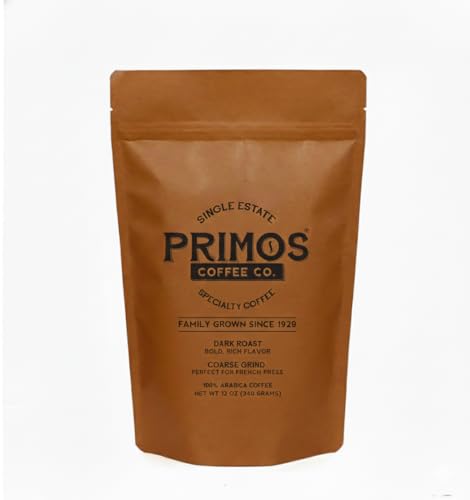
CRAFTED FOR FRENCH PRESS BREWING: Coarsely ground specifically for the slower immersion brewing process of French press coffee makers; larger grind size ensures balanced flavor extraction without bitterness, yielding a rich, full-bodied cup
CRAFTED FOR FRENCH PRESS BREWING: Coarsely ground specifically for the slower immersion brewing process of French press coffee makers; larger grind size ensures balanced flavor extraction without bitterness, yielding a rich, full-bodied cup
Bloom Your Grounds First (Here’s Why)
Before you pour water over those grounds, you’re actually going to add just a little bit first—and wait. This step—called a coffee bloom—releases trapped carbon dioxide that freshly roasted beans hold onto. You’re giving those gases an escape route before the main brew begins.
Here’s the thing: when CO₂ pockets remain trapped, you get uneven saturation and flat flavor development. By blooming, you’re removing those obstacles so water contacts every ground evenly. Add about twice your coffee’s weight in water (so 50 g water for 25 g grounds). Pour slowly, maybe stir gently, then wait 30 to 45 seconds. You’ll see the grounds puff up and foam.
This aroma release signals you’re ready for the full pour. Skip blooming, and you’ll taste the difference—hollow, acidic, less rich. A longer steep can increase body but may lead to over‑extraction if it exceeds the optimal four‑minute window. Using a coarse grind helps prevent over‑extraction during the bloom.
Choosing the right water temperature ensures optimal extraction and flavor balance.
Steep for Four Minutes (or Adjust to Taste)
Now that your grounds have bloomed and released all that trapped CO₂, you’re ready to add the rest of your hot water and let it sit. Four minutes is your baseline—it’s the sweet spot most guides land on for balanced flavor extraction.
Here’s the thing: steep timing directly controls your flavor balance. Shorter steeps (3–4 minutes) give you smoother, milder coffee. Longer ones (5–7 minutes) punch up the strength but risk bitterness from over-extraction. For optimal results, maintain your 1:20 coffee-to-water ratio throughout the brewing process to ensure consistent extraction.
Start your timer the moment water hits grounds. If your last cup tasted thin or sour, add 30 seconds next time. Tasted too bitter? Subtract 30 seconds. That’s how you dial in *your* perfect cup.
Once you hit four minutes, plunge immediately and pour. Don’t leave it sitting—it keeps extracting.
the paper filter should be rinsed to remove any papery taste before brewing.
Adding coarse grind helps prevent over‑extraction during the steep.
The higher pressure used in espresso creates a crema layer that French press lacks.
Press Slowly and Serve Immediately
After you’ve nailed your steep time, you’ve got maybe ten seconds before things go sideways—and that’s where your plunging technique actually matters. Press slowly with steady, even force rather than jamming the plunger down fast. This controlled descent keeps grounds from forcing past the filter and protects your flavor freshness.
You don’t need to slam the plunger all the way to the bottom. Stop before you hit maximum resistance. Forcing it creates excessive sediment and muddy coffee.
Now here’s the critical part: pour immediately after plunging. Your plunger timing determines whether you get a clean cup or over-extracted bitterness. Coffee left sitting with grounds continues extracting, rapidly increasing bitterness. For best results, aim to complete your entire pour within one continuous pour to prevent the coffee from sitting on the grounds any longer than necessary.
Decant into cups or a separate carafe in one continuous pour. This prevents you from stopping mid-serve in the sediment‑heavy bottom portions. Fast service is what separates a balanced cup from a bitter one.
The French press’s full‑bodied extraction yields a richer flavor compared to the quick, high‑pressure espresso method. The Chemex’s thick paper filter produces a clean, bright cup by trapping fine particles and oils.
A properly aligned metal filter ensures a smooth plunger action and prevents leaks.
Reduce Sediment: Grind Coarser and Pause Before Plunging
Sediment’s the grit that ruins an otherwise solid cup, and you’ve probably noticed it settles to the bottom no matter what you do. The real fix starts before water even hits your grounds.
Why Coarse Grounds Matter****
Use a burr grinder set to a coarse setting—think sea salt texture. Fine particles slip through the mesh filter way too easily. You’ll notice pre-ground coffee labeled “French press” is deliberately coarser than drip for exactly this reason.
The Settling Pause Changes Everything
Now here’s the thing: after steeping, don’t plunge immediately. Wait five to eight minutes and let suspended particles naturally drop to the bottom. This settling pause is your secret weapon. You’ll create a clearer upper layer that pours clean, leaving grit behind.
Skip the plunger rush. Patience rewards you.

40 EXTERNAL ADJUSTABLE GRIND SETTINGS - Unlike traditional grinders with internal adjustments, our manual coffee grinder offers 40 precise external settings. The easy-to-use adjustment ring lets you select your perfect grind level, broadening your coffee flavor options without the mess of stray grounds. Perfect for espresso, pour-over, French press, and more.

12 CUSTOM SETTINGS: The adjustable coffee grinder allows you to choose from coarse to fine for brewing styles like drip coffee, French press, and cold brew. For best results with espresso, use the two finest settings and freshly roasted beans

Tired of small batches? Meet the world's first manual grinder with a massive 60g capacity—Hold twice the beans of the standard grinders. 2X the beans, 0 interruptions! Now you can grind exactly what you need in one grind session, instead of two. Grind less, brew more. Perfect for french press, cold brew, pour-over, camping, travel, big families, or mornings that can't wait.
Clean Your French Press Properly After Each Brew
Dump spent grounds immediately after brewing. Let them dry inside your carafe, and you’re stuck scrubbing stubborn residue later. Tap the press gently over compost or trash—this eco-friendly approach keeps grounds out of landfills while protecting your equipment.
The Quick Rinse That Changes Everything****
Fill your carafe halfway with warm water and mild soap. Move the plunger up and down several times to clean the mesh thoroughly. Rinse completely until no soap remains, since residue affects coffee flavor.
Use soft sponges only—metal utensils scratch glass. Storage tips: dry every component fully before reassembling. This prevents odors and keeps your press performing perfectly for years.
Fix Weak, Bitter, or Over-Extracted Coffee
Why does your French press sometimes deliver a weak, bitter, or muddy cup when you’re following the basic steps?
Is Your Coffee Tasting Sour or Weak?
You’re likely under-extracting. Check your coffee-to-water ratio first—aim for 1:15 to 1:16. Weak brew also points to insufficient brew timing. You need at least four minutes of steeping for proper flavor balance. Stir gently at the four-minute mark to release trapped flavors. Water temperature matters too; if yours has cooled below 94°C, extraction suffers.
Why’s Your Cup Bitter or Muddy?
Over-extraction creates bitterness. Your grind might be too fine, or you’ve steeped too long. Compare your grounds to sea salt—they should feel coarse. Plunge slowly over 15 to 30 seconds. Start adjusting one variable at a time: ratio, grind size, or brew timing. This isolates what’s throwing off your flavor balance.

EASILY SELECT GRIND SIZE AND CUPS OF BREWED COFFEE: Whether you need a fine grind size for espresso or a coarse grind for French press, we've got you covered. Just turn the grinder's adjustable selection ring. Grinds enough to brew 4-14 cups.

Fast & Consistent Grinding:Powered by a 180W motor (30,000 RPM) with sharp stainless steel blades, Aromvel coffee grinder grinds coffee beans quickly and evenly. The 2.3 oz (65 g) capacity is ideal for brewing 1–2 cups at a time. For best results, do not operate continuously for more than 40 seconds.
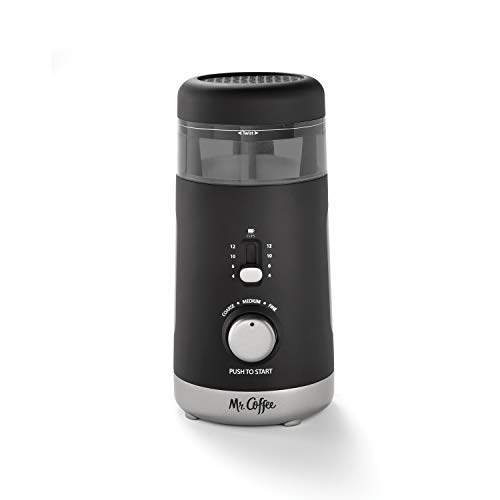
Hands-free Grinding: Automatic settings for efficient, stress-free use