
You’re probably wondering what a French press actually does, and the answer’s simple: it’s a sturdy glass or insulated carafe with a metal‑mesh plunger that lets you steep coarsely ground coffee in hot water, then separate the brewed liquid from the grounds in one smooth motion. You add about 30 g coffee to 450 g water (1:15 ratio), let it sit four minutes, and press slowly to avoid sediment and bitterness. Now you know the basics, and the next step will show you how to fine‑tune flavor.
French Press Mechanics
What actually happens inside a French press? You wonder why the coffee stays cloudy until you press. The plunger design houses a metal filtration mesh that acts like a sieve, not a pump. When you lower it, the mesh slides through the steeped grounds, separating liquid from solids while you keep the brew submerged.
Here’s the thing: immersion means every particle so fully, so extraction depends on grind size and steep time. Coarse‑to‑medium‑coarse grounds settle quickly, letting the mesh catch most fines. If you press too fast, you stir up settled particles and increase sediment.
Obviously, a smooth, controlled plunge reduces agitation and yields a clearer cup. Takeaway: master the plunger design and filtration mesh timing, then experiment with grind and brew length before moving on to gear choices. Use filtered water for optimal flavor.
Understanding the extraction dynamics helps you fine‑tune temperature and timing for a balanced brew. Regularly cleaning the press with a mild dish‑soap solution prevents oil buildup that can affect flavor consistency.
Essential French Press Gear
One thing that trips you up is figuring out which pieces actually matter for a solid French‑press brew. You need a sturdy vessel, a reliable plunger, and the right heating tools. A glass carafe shows the brew level, but an insulated carafe keeps heat locked in for longer, so you stay consistent.
What should you actually use? A gooseneck kettle lets you pour water at 195‑210 °F, while a digital scale guarantees the right coffee‑to‑water ratio. A burr grinder provides a medium‑coarse grind that settles nicely. Proper water temperature ensures optimal extraction and flavor balance.
How do you keep it tidy? A spoon or stir stick distributes grounds, a timer tracks steeping, and a quick rinse in the sink prevents buildup.
Takeaway: Choose a vessel that fits your routine—travel mug for on‑the‑go, insulated carafe for home—and pair it with a precise kettle, scale, and grinder. Next, ask yourself how much coffee you’ll brew each time.
Stirring before pressing eliminates the raft, preventing high‑pressure buildup.
Consider using a coarse uniform grind to reduce over‑extraction and achieve a smoother cup.
A proper four‑minute steep maximizes flavor extraction without bitterness.
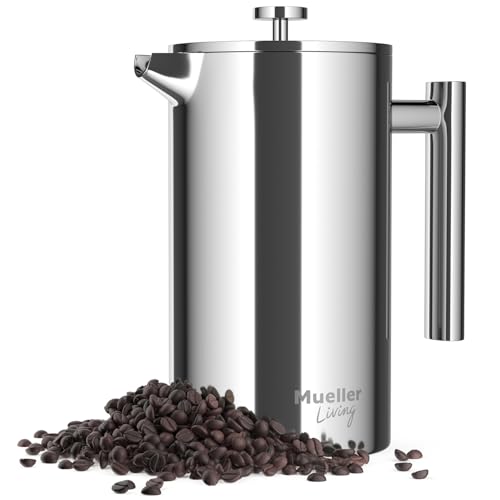
Take it Anywhere – Our rust-free french press-stainless steel-is durable for use while camping, at the office, or making coffee at home. The double-walled carafe on this MuellerLiving French Press keeps your coffee hot and full of flavor.

Note: 1)Too coarse a grind, too little coffee, or insufficiently tamping the grounds before brewing can all lead to inadequate pressure for a proper brew. 2)It is important to note that the amount of espresso extracted will vary depending on the grind size and amount and reprogramming may be needed when the size and amount are adjusted

PERFECT YOUR BREW: For best results, use a medium-coarse grind, the proper coffee-to-water ratio, and apply even pressure when plunging. Adjust grind size and amount as needed to dial in your ideal cup and achieve a smooth, balanced brew every time.
Ideal Coffee‑to‑Water Ratio
How much coffee should you actually use for a French press? You’ll find the sweet spot at a 1:15 ratio—one gram of coffee for every fifteen grams of water. That “golden ratio” delivers a balanced brew strength, but you can shift to 1:13 for a richer cup or stretch to 1:15‑1:17 for something lighter. For a 32‑ounce press, weigh out roughly 56 g coffee and 840 g water; that hits the classic 1:15. If you prefer volume, two level tablespoons per six ounces water works, though a scale guarantees consistency. Small tweaks of ten to twenty percent dramatically change flavor, so experiment until the brew strength feels just right. Use 1‑2 tablespoons per 8 oz of water as a practical guideline when a scale isn’t available. Takeaway: Start with 1:15, adjust by ten percent increments, and use a scale for repeatable results. Next, learn how to time the brew perfectly. A typical French press uses a 4‑minute steep to extract the full flavor without over‑extraction. Blooming the grounds helps release trapped gases and enhances extraction.
Step‑by‑Step 4‑Minute Brew
You’re probably wondering why a French press needs a precise 4‑minute brew when you could just “let it sit.” The answer lies in brew temperature and brew timing; a steady 205°F water extracts flavors evenly, while a four‑minute window balances strength and smoothness.
How do you set the stage?
Heat water to 205°F, then let it rest 30‑45 seconds. Preheat the press, discard that water, and add coarse grounds—think kosher salt. Start the timer the moment water meets coffee, and pour just enough to bloom the grounds for 30 seconds.
What comes after the bloom?
Add the remaining water, place the lid, and let the brew steep undisturbed until the timer hits 4:00. No extra stirring—just patience.
When do you press?
At four minutes, press slowly for about 20 seconds, then pour immediately. This preserves the intended extraction and prevents bitterness.
Takeaway: Precise brew temperature and timing give you a consistent, delicious cup. Ready to master the next step—avoiding common mistakes? Using a scale for consistency ensures the ideal 1:15 coffee‑to‑water ratio and helps prevent over‑extraction.
A slightly longer steep, such as 5 minutes, can increase body but risks extracting excessive bitterness.

【Ultra Small, Yet Professional】The Espresso Scale is small enough to fit in your palm. It measures 4.13*4.13*0.78 inches and weighs just 0.75 pounds. The coffee scale can work on most espresso machines and small pour-over coffee stands. It's easy to store and carry around, making it perfect for coffee lovers who like outdoor coffee.

【3 Smart Modes, 0.1g Pro Precision】Unlock precise control with 0.1g accuracy and 3 smart modes: Auto Timer for Pour-Over, Auto Timer for Espresso, and Standard Weighing. Whether brewing espresso or pour-over, this coffee scale adapts to your style for consistent, accurate results. The larger, easy-to-read display and quick response time help you focus on pouring technique and flow rates without distractions
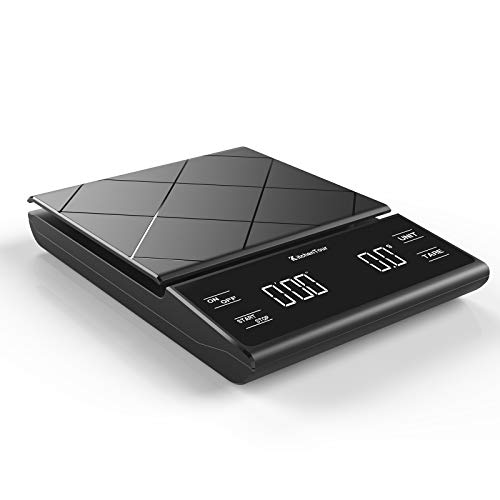
#Make Coffee Better every time# - KitchenTour EK6012 defines the latest in precision weighing technology with a weight capacity from 0.3g - 3000g to help you measure and get an exceptional cup of coffee with refined accuracy. The electronic coffee scale has a built-in timer to cook and time your coffee to ensure the consistency of each cup of coffee.
French Press Common Mistakes to Avoid
Why does my French press taste off even after a perfect 4‑minute brew? You’re probably wondering if grind consistency or temperature control slipped. Here’s the thing: a coarse, sea‑salt texture should dominate. If the grounds feel sand‑like fine, the plunger will resist and you’ll end up with sludge and bitterness. Likewise, water that’s just boiled can scald the coffee; let it cool to 195‑205°F before pouring.
Now, coffee‑to‑water ratio matters too. Stick to 1:16.5 for balance, adjusting toward 1:15 for dark roasts and 1:17 for light ones. Over‑dosing makes the brew muddy; under‑dosing leaves it weak.
All right, preheat your press and cup with hot water, then discard it. This keeps temperature control steady and prevents heat loss.
Paper filter in a Chemex removes more oils and fine particles, resulting in a cleaner cup compared to the French Press’s metal mesh.
The full‑immersion technique of the French press extracts more oils, giving a richer body. Takeaway: Consistent grind, proper temperature, and correct ratios prevent most off‑flavors. Ready to perfect your next cup? The high‑pressure extraction of espresso produces a crema‑topped shot with intense flavor.

One 10 oz bag of Gevalia Guatemalan Single Origin Special Reserve Coarse Ground Coffee
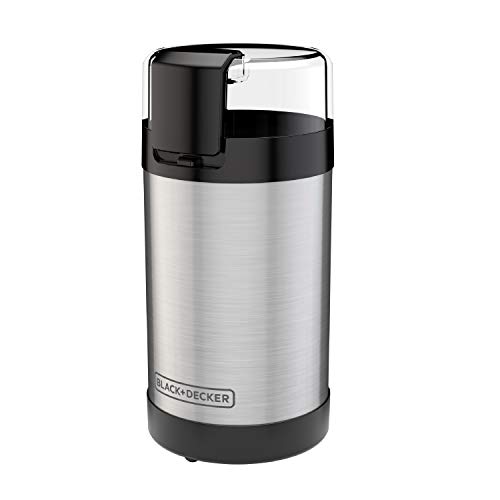
STAINLESS STEEL BLADES AND BOWL - The sharp blades and durable grinding bowl are built to last, delivering uniform grinds with every use
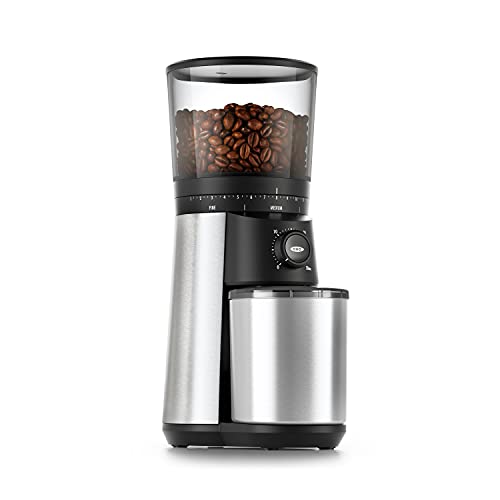
40mm stainless steel conical burrs: Precision grinding system produces uniform coffee grounds to ensure even extraction for rich, balanced flavor in every cup.
Flavor‑Tuning Variables
What levers can you turn to fine‑tune your French press flavor? You’re probably wondering why the same beans can taste so different. Here’s the thing: bean timing, grind size, water temperature, and agitation technique each reshape the aroma profile and mouthfeel balance.
Now, start with grind size. Coarse, sea‑salt texture gives a clean cup; finer grounds boost surface area, raising bitterness and sediment. Adjust water temperature between 195°F and 205°F—lighter roasts love the high end, darker prefer the low. A gentle stir after pouring guarantees even extraction without over‑agitating fines.
All right, consider brew time and plunge speed. Four minutes is a solid baseline; shorter steeping keeps bitterness low for dark roasts, while longer times coax sweetness from light beans. A slow, steady plunge protects sediment control and preserves a smooth mouthfeel.
Takeaway: tweak one variable at a time, taste, and note the change. Next, experiment with coffee‑to‑water ratio to lock in your ideal strength. Using a precision scale ensures consistent ratios and repeatable results. For a smoother, lower‑acid brew, try a cold‑brew ratio of 1 cup coarsely ground beans to 4 cups cold filtered water. The particle size determines how quickly flavors are extracted.
French Press for Tea & Infusions
One common question is whether a French press can really handle tea without turning it into a gritty mess. You’re right to wonder—loose leaves can be messy in a mug, but the plunger separates them cleanly. Here’s the thing: you add 1 ½ Tbsp loose tea or a herbal infusion to the carafe, pour hot water (6‑8 oz for hot tea, 4‑6 oz for iced‑tea concentrate), swirl, cover, and steep 3‑5 minutes for most teas, up to 15 minutes for herbs. After steeping, press slowly and pour; the mesh holds out grounds and herb particles.
The built‑in strainer eliminates the extra filtering step, making cleanup a breeze.
All right, what about iced tea? Double the tea, use less water, steep 4‑5 minutes, then add ice. The press yields a strong concentrate you can dilute or enjoy straight. Obviously, crushing herbs a bit before steeping releases more flavor and keeping the lid sealed traps aromatics.
Takeaway: a French press gives you clean, controllable tea and herbal infusions, plus a quick iced‑tea concentrate. Next, experiment with ratios and steep times to nail your perfect cup.
proper alignment is essential for consistent brewing results.
A well‑controlled brew ratio can dramatically improve extraction.
espresso’s rapid pressure showcases how extraction speed influences flavor intensity.
French Press Troubleshooting: Bitter or Weak Brew
You’re probably wondering why the same French press that makes a clean tea can sometimes give you a bitter or weak coffee.
Is my grind too fine or too coarse?
A coarse grind, like sea salt, slows extraction. If you’re tasting bitterness, try one step coarser; if the brew feels weak, go a touch finer. Consistency matters—uneven particles cause both flaws in one cup.
Am I using the right water temperature?
Temperature control is key. Aim for 195‑205 °F (90‑96 °C). Let boiled water sit 30 seconds before pouring; hotter water extracts harsh compounds, cooler water under‑extracts, leaving a thin taste.
What about coffee‑to‑water ratio?
Start with 30 g coffee to 450 g water (1:15). Increase water if the cup feels too strong; decrease coffee if it’s weak.
Takeaway: Adjust grind size, temperature, and ratio stepwise, then taste.
Next step: Test a 4‑minute steep, then decant immediately to stop extraction.
Ground removal before the final press can also help prevent over‑extraction.
Tip: Using a paper filter can further clarify the brew and reduce sediment.
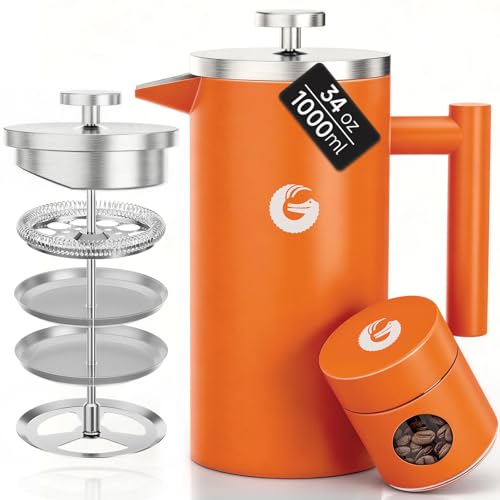
BREW LIKE A BARISTA AT HOME – Built-in measurement markings help you easily achieve the ideal coffee-to-water ratio for consistently rich, flavorful coffee. Makes up to 34 oz, perfect for daily brewing

40 EXTERNAL ADJUSTABLE GRIND SETTINGS - Unlike traditional grinders with internal adjustments, our manual coffee grinder offers 40 precise external settings. The easy-to-use adjustment ring lets you select your perfect grind level, broadening your coffee flavor options without the mess of stray grounds. Perfect for espresso, pour-over, French press, and more.

CRAFTED FOR FRENCH PRESS BREWING: Coarsely ground specifically for the slower immersion brewing process of French press coffee makers; larger grind size ensures balanced flavor extraction without bitterness, yielding a rich, full-bodied cup