
A drip grind is a medium‑to‑medium‑fine, uniform particle size—roughly 500‑1000 µm—designed for auto‑drip coffee makers. It’s coarser than espresso but finer than French press, letting water flow steadily for a balanced 4‑6‑minute extraction. Use a burr grinder for consistency, aim for a 1:16 coffee‑to‑water ratio, and brew at 195‑205 °F. Fresh grinding, proper dosing, and clean equipment keep flavors bright. Keep going and you’ll uncover how to fine‑tune grind texture for different beans.
Define Drip Grind Coffee
Drip grind coffee is the particle size best suited for drip coffee makers, typically ranging from medium to medium‑fine. You’ll recognize it by its sandy texture, finer than French press but coarser than espresso. This grind size balances extraction speed, preventing over‑extraction that yields bitterness and under‑extraction that leaves sour notes. When you use a medium‑fine brew size, water flows evenly through the grounds, delivering a clean, balanced flavor profile. Consistency matters; uniform particles guarantee repeatable results in automatic machines. Adjustments are simple: a slightly finer grind can tame sourness, while a coarser setting reduces astringency. Aim for the standard 1–2 tablespoons per 6 oz water and a five‑minute brew time to hit the sweet spot. The particle size directly influences the extraction rate, shaping the cup’s overall balance. Understanding the extraction time is crucial for dialing in the perfect drip brew. Using a coarse grind can also help avoid bitterness caused by over‑extraction.
Explain Drip Brewing Mechanics
Ever wondered how a drip machine turns water into a balanced cup? You start by heating water to 195‑205 °F, then the reservoir releases it into the coffee bed. Gravity drives a steady flow through the grounds, extracting soluble compounds as it passes. First, the water wets the particles, triggering bloom timing—about 30 seconds of saturation that releases trapped gases and expands the bed. After the bloom, the flow continues for roughly 4‑6 minutes, maintaining even contact time. A consistent flow prevents under‑extraction (weak flavor) and over‑extraction (bitterness). The filtered brew then drips into the carafe, delivering a uniform, balanced cup. Only a few home drip brewers reach proper brewing temperature (~200 °F), ensuring optimal extraction. Using a coarse grind can improve flow consistency and reduce channeling. The Aeropress method, with its rapid pressure‑assisted immersion, offers a cleaner, brighter cup that contrasts with the French Press’s fuller‑bodied extraction.
Choose Between Medium and Medium‑Fine Drip Grind Coffee Texture
When you’re deciding between medium and medium‑fine grind, think of texture as the speed dial for extraction: medium (≈800‑1000 µm) gives a steady flow for standard automatic drip machines, while medium‑fine (≈500‑700 µm) speeds up contact for faster brewers or pour‑over setups, letting you boost intensity without reaching espresso fineness. A medium grind yields smooth, balanced brew consistency, ideal for 4‑5‑minute auto drip cycles and a cleaner cup profile. Drop to medium‑fine when the brew feels weak or sour; the finer grind texture increases surface area, quickening extraction and delivering a fuller, more concentrated flavor without over‑extraction. Use a burr grinder for precise adjustments, and tweak in small steps to keep brew consistency steady. Consistent particle size is crucial for uniform extraction, and a high‑quality burr grinder helps achieve that uniformity across all brewing methods. For those who prefer a richer body, extending the steep time by a minute can enhance flavor depth, but be cautious of over‑extraction which may introduce bitterness.
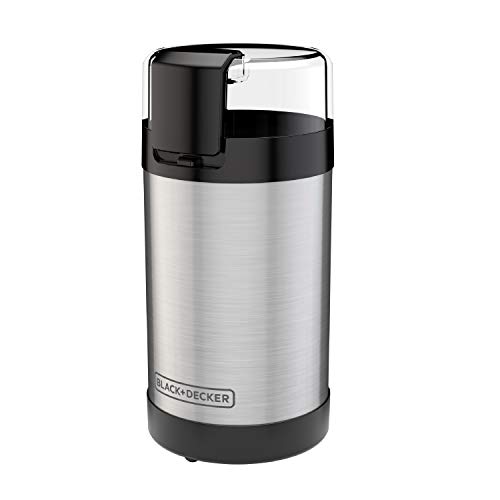
STAINLESS STEEL BLADES AND BOWL - The sharp blades and durable grinding bowl are built to last, delivering uniform grinds with every use
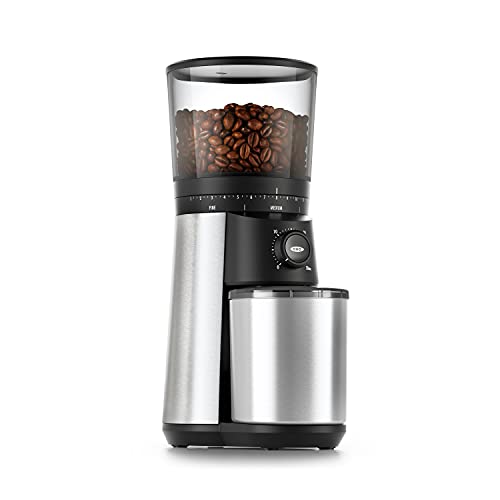
40mm stainless steel conical burrs: Precision grinding system produces uniform coffee grounds to ensure even extraction for rich, balanced flavor in every cup.

EASILY SELECT GRIND SIZE AND CUPS OF BREWED COFFEE: Whether you need a fine grind size for espresso or a coarse grind for French press, we've got you covered. Just turn the grinder's adjustable selection ring. Grinds enough to brew 4-14 cups.
What Coffee‑to‑Water Ratio Gives a Balanced Brew?
If you want a cup that hits the sweet spot between strength and clarity, aim for the classic “golden ratio” of coffee to water—about 1 part coffee to 16–18 parts water by weight. A balanced brew typically lands between 1:15 and 1:18, with 1:16 serving as a solid middle ground and 1:17 often cited as the broad industry standard. For a lighter, more delicate flavor profile, try 1:18; for a stronger, fuller body, move toward 1:15. The Specialty Coffee Association’s Gold Cup Standard aligns with 1:18, while many roasters recommend a 1:16–1:18 window. Adjust within this range based on roast level, grind size, and personal taste to achieve the desired extraction and flavor profile. Properly pre‑wetting the paper filter helps eliminate papery taste and ensures optimal extraction. Using a coarse grind can improve clarity and reduce over‑extraction in cold brew preparations.
How to Measure and Dose Drip Grind Coffee Accurately
Because precision matters more than intuition, start by weighing your drip‑grind coffee on a digital scale rather than relying on scoops or volume. Place the dripper on the scale, tare it, then add grounds slowly until you hit your target dose—10 g per 6 oz water, 14 g per 8 oz, or 16 g for a stronger cup. Use the same scale, grinder, and level‑fill spoon if you must measure by volume; consistency improves when you repeat the exact method. Record each dose and water amount, then adjust by a gram or two to fine‑tune strength without changing the recipe. This scaling precision drives brew consistency, letting you replicate a perfect cup every time. A standard coffee scoop typically holds 7–8 grams of ground coffee, which is about two tablespoons. For larger batches, consider the coffee‑to‑water ratio guidelines similar to those used for French press brewing to maintain balance. Applying the right water temperature ensures optimal extraction and flavor.

Barista-Level Precision: A 0.1g high-precision sensor with a rapid refresh rate responds instantly to changes in weight, helping you achieve consistent results across espresso, pour over, drip coffee, Chemex, V60, and filter coffee brewing.

Drip Coffee Scale: Perfect measurements make for a perfect brew. Hario’s V60 drip coffee scale measures in 0.1 gram increments for the highest precision. Designed to perfectly accompany your Hario V60 coffee drippers
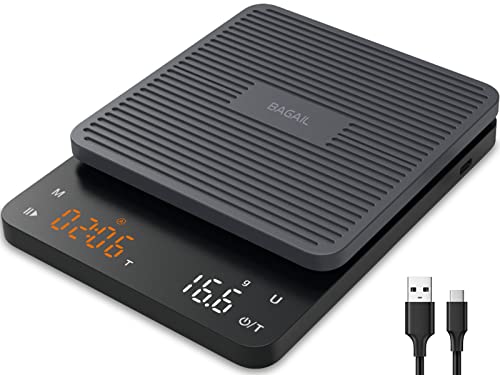
Important: Please remove the 4 plugs from under the weighing platform before use
Adjusting Grind Fineness to Fix Bitter or Flat Coffee
Even a small tweak to your grind can rescue a bitter or flat cup, because grind size directly controls extraction speed and flavor balance. If the coffee tastes harsh, dry, or leaves an unpleasant aftertaste, move the grinder one to two clicks coarser; this reduces surface area, slows extraction, and eases bitterness. Conversely, a hollow, weak brew signals under‑extraction—adjust finer by the same small increments to increase contact time and restore body. Keep all other variables constant while you test, noting the setting and taste each time. This systematic grind calibration lets you pinpoint the sweet spot where acidity, sweetness, and subtle bitterness coexist, delivering a well‑balanced cup without overhauling the recipe. Consistent dosing and burr grinder selection further ensure uniform particle size, enhancing extraction stability. Understanding the role of particle distribution helps prevent channeling and promotes even extraction.

Slim, powerful grinder with precise settings from fine to coarse, with 15 settings and 29 micro-adjustments

ONE GRINDER. ANY BREW. – Opus 2 is built for coffee lovers who brew more than one way, from espresso to pour-over, French press, and cold brew. Cappuccinos in the morning, pour-over in the afternoon, cold brew on the weekend.

Tired of small batches? Meet the world's first manual grinder with a massive 60g capacity—Hold twice the beans of the standard grinders. 2X the beans, 0 interruptions! Now you can grind exactly what you need in one grind session, instead of two. Grind less, brew more. Perfect for french press, cold brew, pour-over, camping, travel, big families, or mornings that can't wait.
When Should You Switch Drip Grind Coffee Size for Different Bean Types?
When you brew different beans, you’ll need to tweak the drip grind size to match each variety’s density, roast, and the basket you’re using. Arabica usually starts at medium; shift finer for light roast or cone‑shaped basket, coarser for dark roast, Robusta, or flat‑bottom with slower pressure flow. Observe brew time: 4–6 minutes signals extraction balance; a too‑quick draw suggests a coarser grind, a sluggish pull calls for finer particles. Adjust for freshness aging: freshly roasted beans may need a slight coarsening as they degas, while older beans often benefit from a modestly finer setting to revive flavor profile. Keep grind consistency with a burr grinder, and monitor brew temperature to maintain uniform extraction across bean type. A finer, consistent grind improves extraction efficiency by promoting even water flow through the coffee puck. Proper tamping pressure can further enhance brew uniformity and prevent channeling.

40mm stainless steel conical burrs: Precision grinding system produces uniform coffee grounds to ensure even extraction for rich, balanced flavor in every cup.

12 CUSTOM SETTINGS: The adjustable coffee grinder allows you to choose from coarse to fine for brewing styles like drip coffee, French press, and cold brew. For best results with espresso, use the two finest settings and freshly roasted beans
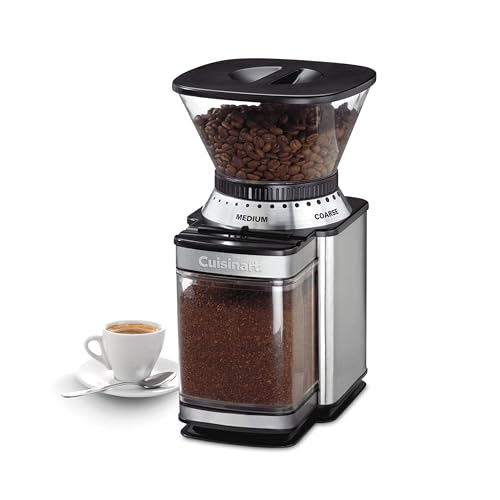
ENJOY OPTIMUM FLAVOR: The Cuisinart Coffee Grinder with 18-position slide-dial grind selector provides a uniform grind from ultra-fine to extra-coarse to ensure your fresh coffee beans are ground exactly the way you prefer.
Why Grinding Fresh Beans Improves Drip Flavor
Switching grind sizes for different beans is only half the story; the real flavor boost comes from grinding just before you brew. When you grind fresh, you lock in aroma retention, preserving volatile compounds that evaporate within minutes. The newly exposed surface maximizes extraction, letting hot water pull richer oils and balanced flavors. Because oxidation timing starts the moment the beans break, any delay shortens the flavor window—so brewing immediately captures the peak profile. Consistent medium particles flow evenly through the filter, preventing over‑extraction and bitterness. You’ll notice a fuller, more aromatic cup compared with pre‑ground coffee, which has already lost much of its scent and potency. Fresh grinding consequently guarantees a stronger, more satisfying drip brew. Place the grinder close to your brewing equipment to preserve aroma. Flat burrs provide uniform particle size, further enhancing extraction consistency. Using a proper water temperature ensures optimal extraction without scorching the grounds.
How to Clean Your Drip Machine for Better Extraction
If you want consistently crisp coffee, start each cleaning session by unplugging the machine and removing all detachable parts—carafe, filter basket, drip tray, and reusable filter—so you can wash them in warm, soapy water, rinse thoroughly, and let them air‑dry before reassembly. Wipe the exterior, brew basket housing, seams, and lid with a damp cloth. Keep the water reservoir and lid dry by wiping away droplets regularly. Descale monthly with a 50/50 white vinegar and water solution; run a brew cycle, pause 15–30 minutes, then finish. After descaling, run two‑to‑three water‑only cycles until the water runs clear and no sour odor remains. Pay special attention to filter maintenance and hidden corners; clean the hot plate, showerhead, and any grooves. Use filtered water and leave the lid open after brewing for flavor optimization. Regular descaling prevents mineral buildup that can impair heating efficiency and affect taste.

Bulk Coffeemaker Decalcifier Tablet: 24 Tablets Work out to a Year Supply or more. Compare to other products like powder, pods, sachet, packets. Choose ACTIVE Cleaning Tablets for better Values
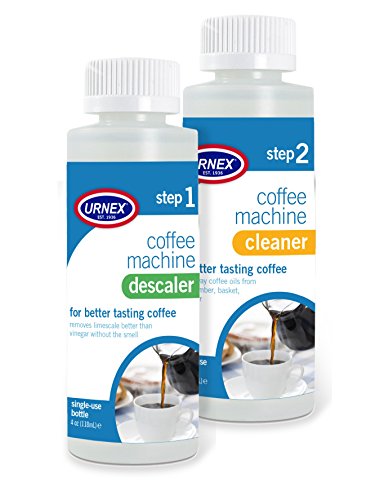
Single-use kit for full maintenance of automatic drip coffee makers
![Quick & Clean [6-Pack] Keurig Cleaning Pods - K Cup Cleaner Pod For Keurig - 2.0 Coffee Machine Compatible, Removes Stains, Non-Toxic and Eco-Friendly](https://m.media-amazon.com/images/I/51lXaI5rgKL._SL500_.jpg)
Get That Fresh Coffee Taste Back - Over time, Keurig (TM) machines build up old grinds and residues, tainting the flavor of your coffee and espresso. Quick and Clean Keurig cleaning pods use a proprietary cleaning formula that cuts through and eliminates these residues, bringing taste back to normal
Quick Recap: Best Practices for Consistent Drip Grind Coffee
Even though brewing drip coffee can feel finicky, mastering a few core habits guarantees consistency: grind to a uniform medium size, grind just before you brew (ideally within 15 minutes), stick to a 1:16 coffee‑to‑water ratio measured by weight, keep the water at 195‑205 °F, and aim for a 4‑6‑minute extraction. Use a burr grinder for even particles, and choose a flat‑bottom basket for a sand‑like grind or a cone basket for a slightly finer texture. Pre‑heat your kettle and equipment so the brew temperature stays steady throughout. We the water with a scale, then pour gently to make sure even saturation. Monitor brew timing; if extraction runs short, adjust grind finer, and if it drags, coarsen slightly. This routine yields repeatable, balanced cups.