
You’ll get roughly 200–240 ml (7–8 oz) per AeroPress, depending on your coffee‑to‑water ratio, grind size, and press technique. A 1:15 ratio (≈15 g coffee, 240 g water) yields about 210 ml, while a 1:12 ratio (≈18 g coffee, 210 g water) gives around 190 ml. Medium‑fine grind and steady pressure keep the output stable; the inverted method doesn’t increase total volume but improves consistency. Adjusting dose and dilution lets you scale the brew, and the next sections show how to calculate brews per kilogram and batch‑brew efficiently.
How Much Coffee Does One AeroPress Yield?
Typically, an AeroPress brew yields about 180 – 240 g (6 – 8 oz) of coffee per cycle, depending on water dose, coffee dose, and recipe style. You control yield by adjusting brewloom temperature and filter material; higher temperatures reduce viscosity, improving extraction and liquid recovery, while paper filters retain more fines than metal, slightly lowering final volume. A 1:15 ratio with 17–18 g coffee and 240 g water typically produces 210–230 g output, whereas a 1:12 ratio with 18 g coffee and 210 g water yields about 190–210 g. Concentrated methods using 55–65 ml water in the chamber drop output to 80–90 % of input, requiring dilution for a full cup. Larger water doses increase the output/input ratio toward 90 %, as grounds absorb a smaller proportion of the total water. The inverted method allows for a fuller immersion, enhancing flavor extraction. Using a fine grind helps achieve a balanced extraction and consistent yield. For a smoother concentrate, consider letting the brew steep for a longer period, similar to the cold brew technique.

High Quality Paper Micro-Filtration – Biodegradable, compostable paper coffee filters made from white, chlorine-free, food-safe paper for a flavor profile free of papery, chemical taste. Ultra thin, tightly woven with micro-sized holes that filter and catch coffee grounds stopping them from passing into your cup. Zero grit.

High Quality Paper Micro-Filtration – Biodegradable, compostable paper coffee filters made from white, chlorine-free, food-safe paper for a flavor profile free of papery, chemical taste. Ultra thin, tightly woven with micro-sized holes that filter and catch coffee grounds stopping them from passing into your cup. Zero grit.

High Quality Paper Micro-Filtration – Biodegradable, compostable round replacement coffee filters made from natural, unbleached, food-safe paper for a flavor profile free of papery, chemical taste. Ultra thin, tightly woven with micro-sized holes that filter and catch coffee grounds, stopping them from passing into your cup. Zero grit.
Typical AeroPress Cup Size (7–8 oz)
Because the AeroPress is designed for a single‑serve brew, most users aim for a finished cup of about 7–8 oz (≈200–240 mL). This volume matches typical mug ergonomics, allowing a comfortable grip without overflow. You’ll notice that a 7–8 oz cup balances flavor intensity: enough liquid to showcase the coffee’s body while preserving the concentration that a short brew provides. Ground absorption and filter retention usually shave 0.5–1 oz off the theoretical output, so you may start with 8 oz of water and end with roughly 7 oz in the mug. Adjusting grind size or press pressure fine‑tunes the final volume, but the 7–8 oz range remains the standard single‑serve benchmark for most AeroPress recipes. The AeroPress’s immersion‑pressure extraction technique also contributes to its low acidity and smooth mouthfeel. This method allows for consistent pressure throughout the brew, which helps maintain a stable flavor profile.
Standard Water Amount for One AeroPress Brew
A 7–8 oz cup translates to a water charge of roughly 220–240 g, which the AeroPress marks as the “4” line. You’ll fill the chamber to that mark, then heat the water to about 85–95 °C—standard water temperature for a balanced extraction. Using the classic 1:16 coffee‑to‑water ratio, 15 g of coffee pairs with 240 g of water, yielding a brew that’s forgiving yet precise. After pouring, stir briefly and let the mixture steep for 1–2 minutes; this brew time aligns with most guide recommendations. The 4‑mark fill line minimizes measurement error, letting you reproduce a consistent cup without a scale. Adjustments above 240 g are possible but deviate from the widely accepted standard. Regular cleaning of the French press after each use helps maintain flavor and extend the device’s lifespan. Proper nitrogen infusion can also enhance the texture and mouthfeel of coffee beverages. The extraction control of the Aeropress allows for quick adjustments to brew strength and clarity.
Coffee Dose Options: 15 g, 17 g, or 18 g
Which dose should you choose—15 g, 17 g, or 18 g? A 15 g dose follows AeroPress’s official 14‑15 g guideline, yields a single 6‑8 oz mug, and produces a balanced brew profile with moderate intensity. At 17 g you sit between starter and specialty recipes; the extra gram boosts body without reaching concentrate strength, allowing a slightly richer brew profile while keeping brewtime within the typical 1:12‑1:16 ratio range. An 18 g dose, common in specialty circles, drives a stronger, more concentrated brew profile, often paired with shorter brewtime and higher‑strength water ratios (e.g., 1:12). All three doses can be diluted post‑press to similar serving volumes, but higher doses increase flavor intensity more than final liquid volume. Adjust water amount and dilution to match your desired cup size and strength. Using a metal filter adds a robust flavor extraction that complements higher coffee doses. Proper water temperature is essential for extracting the best flavors from each dose. Consistent grind size ensures even extraction and helps prevent channeling.

Reusable, Travel-Ready Stainless Steel – The AeroPress reusable metal coffee filter is crafted from premium grade 316 stainless steel - much more durable than the 304 grade stainless steel used in other filters. Just brew, rinse and repeat wherever your brew takes you – from traveling to camping, backpacking, boating, and vacationing.
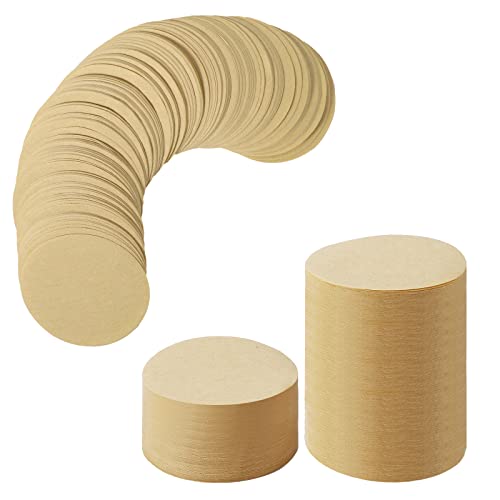
SAFE AND HEALTH: These round coffee filters are made of quality paper material, with nice air permeability, strength and water permeability, environmental friendly, health and safe, no harm to your body. Non-bleached coffee filters do not leave chemically taste!

【WHAT IT IS】:The package includes 2 × coffee replacement filter cap. press filter holder allows some of the natural oil in the coffee to flow into the final cup. The filter paper will block these essential oils and aromas, making your coffee slightly inferior to perfect coffee. Enjoy the benefits of natural spices and oils, they have a stronger flavor and aroma.
AeroPress Grind Size & Press Speed: Tweaking Output
Choosing the right grind and press speed lets you fine‑tune the AeroPress output after you’ve set your dose. The Help Center targets a medium‑fine grind texture (#4 on a 1‑5 scale), balancing extraction and pressability. If you use a coarser grind, drip‑through can double, reducing strength; a finer grind boosts extraction and concentration but may increase resistance. Adjust press tempo accordingly: a slow, steady press limits premature flow and keeps pre‑drip around 2‑3 %. Faster tempo cuts contact time, lowering total solids and cup volume. For espresso‑like drinks, aim between medium‑fine and true espresso, then slow the press to maintain resistance without excessive drip‑through. This combination controls strength, clarity, and final liquid yield. Proper water temperature is also crucial for extraction consistency. Water temperature affects solubility and flavor balance. Understanding grind size impact helps you match the brew method to desired flavor profiles.
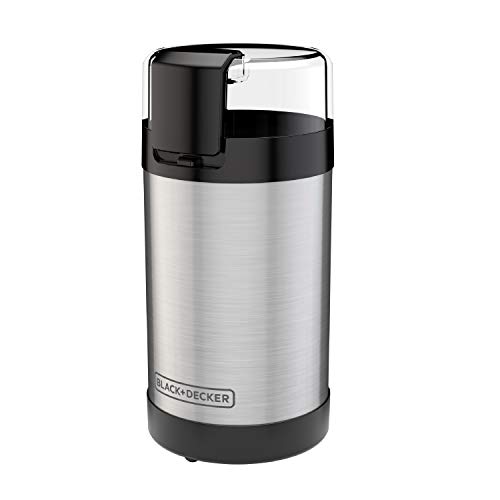
STAINLESS STEEL BLADES AND BOWL - The sharp blades and durable grinding bowl are built to last, delivering uniform grinds with every use
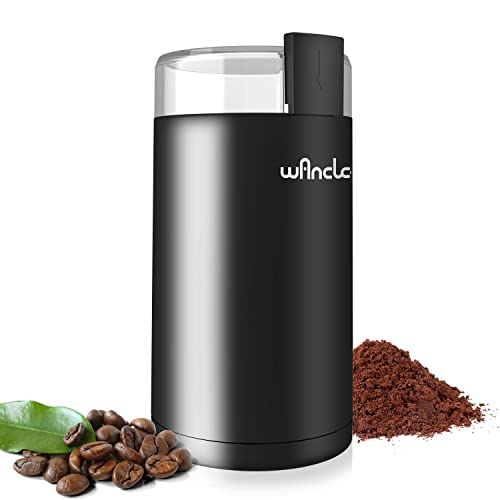
✅【A Secret To Grind Bean Effortlessly】Grinder comes with a pure copper motor and stainless steel blade. Easily observe the grinding situation by a transparent lid, extract the perfect flavor from beans. let you enjoy great coffee in a few seconds.

Electric coffee bean grinder appliance for home use
Does Using the Inverted Method Change Your Brew Volume?
Even though the inverted AeroPress setup keeps water inside the chamber until you flip and plunge, it doesn’t increase the maximum brew volume beyond the device’s physical limits. The inverted capacity remains fixed by the cylinder’s 250 ml design, so any added water simply stays in the chamber until you release pressure. You can load 200–270 g of water, but grounds absorption and retained slurry reduce the final cup size. Inversion improves pressure control by preventing premature drip, preserving the intended brew water until the plunge. Consequently, output volume changes stem from recipe variables—dose, water input, dilution—not from the inverted method itself. Use inversion to fine‑tune steep time and concentration, not to expand brew volume. The medium‑defined grind ensures consistent extraction throughout the brew. Proper nine bar pressure is essential for achieving a balanced espresso‑style extraction. The stovetop brewing technique of the Moka Pot delivers a richer, espresso‑like brew with a distinctive robust body. Coarse uniform grind helps prevent over‑extraction and maintains clarity in the final cup.


Complete Brew Control – The innovative AeroPress Flow Filter Cap features a pressure-actuated valve that stops drip-through, giving you complete control over grind size and brew time for endless creativity.

Coffee lovers now have the ideal brewing vessel for their AeroPress, enabling them to then pour their coffee into any capacity and shaped coffee mug for instant enjoyment.
Calculating Brews per Kilogram of Coffee
When you set a specific coffee dose, the number of AeroPress brews you can extract from a kilogram is simply the kilogram’s weight divided by that dose. For a 12 g dose you’ll get roughly 83 brews; at 14 g, about 71; at 15 g, 66; at 18 g, 55; and at 26 g, 38. These figures let you calculate brew efficiency and perform cost analysis quickly. A typical everyday range—12‑18 g—yields 55‑80 brews per kilogram, clustering around 60‑75 for most users. Heavier specialty doses push yield below 50, while minimal doses exceed 80. Use the dose‑to‑yield ratio to forecast inventory lifespan, budget per cup, and optimize your brewing schedule without extra dilution calculations. Consistent grind size is key for reliable extraction and flavor across many brews. The pressure difference between espresso and a French press means the latter cannot achieve true espresso’s high‑pressure extraction, but it can still produce a robust, espresso‑like cup. Selecting a burr grinder ensures uniform particle size, which is essential for maintaining consistent brew quality.
AeroPress Scaling: Dilution, Concentrated Shots, & Batch Brewing
If you want to scale an AeroPress brew for multiple cups, start by treating the initial extraction as a concentrated shot and then dilute it to the desired strength. Use a 1:12 or 1:15 coffee‑to‑water ratio for the concentrate extraction, yielding roughly 150‑160 g of liquid. For batch preparation, combine 42 g coffee with 200 ml water, press, and immediately add 200 ml of hot water for a total of about 400 g. Adjust dilution to 1:17 for a milder cup, or use a 1:5 ratio (20 g coffee, 100 ml water) for a very strong shot. Inverted brewing, fine grind, and short steep (1‑1.5 min) improve extraction consistency, while rapid pressing prevents over‑extraction. Precise measurements and quick stirring guarantee repeatable batch dilution results. Consistent grind size is crucial for achieving uniform extraction across batches, and a high‑quality burr grinder provides the necessary grind uniformity to maintain flavor balance.

60 Adjustable Grind Settings – Fine-tune your grind size from espresso-fine to course. Dial in and customize for AeroPress, pour-over, French press, cold brew, or drip coffee. Enjoy consistent results and complete control with this manual burr coffee grinder for every brew. Comes preset to medium-fine for AeroPress.

Slim, powerful grinder with precise settings from fine to coarse, with 15 settings and 29 micro-adjustments

40 EXTERNAL ADJUSTABLE GRIND SETTINGS - Unlike traditional grinders with internal adjustments, our manual coffee grinder offers 40 precise external settings. The easy-to-use adjustment ring lets you select your perfect grind level, broadening your coffee flavor options without the mess of stray grounds. Perfect for espresso, pour-over, French press, and more.